


The relentless desert climate of the United Arab Emirates subjects vehicles to severe thermal stress, testing the limits of even the most robust engineering. Kia vehicles are designed for durability, but their performance is heavily dependent on how well the owner maintains them under extreme conditions. Adhering to strict service intervals is not merely a recommendation; it is a requirement for longevity in the UAE market. This guide outlines the essential maintenance schedules for Kia owners, focusing on oil, brakes, transmission, and heat adaptation.
Engine Oil and Lubrication Intervals
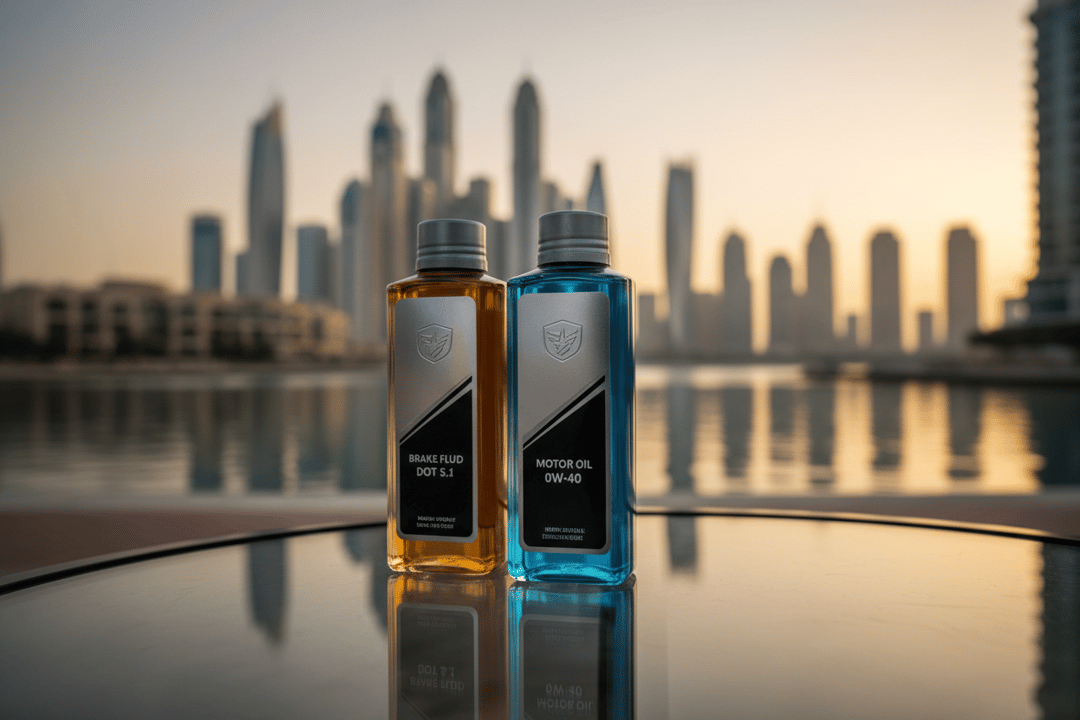
Oil is the lifeblood of any internal combustion engine, acting as a coolant and lubricant simultaneously. In the UAE, ambient temperatures often exceed 40°C, which accelerates the oxidation of engine oil. Kia recommends changing the oil every 5,000 kilometers or six months, whichever comes first. This interval accounts for the harsh realities of high-temperature driving, where the oil degrades faster than it would in temperate climates.
Using the correct viscosity specification is critical. Kia specifies synthetic oil for many models to ensure the fluid maintains its protective properties at high temperatures. Synthetic oil resists thermal breakdown and provides better protection against sludge formation. If oil is not changed within the recommended timeframe, the viscosity drops, leading to increased metal-on-metal friction. This friction generates excessive heat, which can warp cylinder heads and cause catastrophic engine failure.
Brake Service and Fluid Replacement
The braking system bears the brunt of daily driving stress, particularly in stop-and-go traffic common in Dubai and Abu Dhabi. Brake pads are made of friction material designed to wear down predictably. Kia recommends inspecting brake pads at every service interval. If the friction material is worn down to the metal backing, replacing them immediately is essential. Driving with worn pads can score the brake rotors, turning a simple pad replacement into a costly rotor resurfacing or replacement job.
Brake fluid is hygroscopic, meaning it absorbs moisture from the air. The intense heat of the UAE sun causes this moisture to boil inside the braking lines, creating vapor pockets. Vapor compresses under pressure, leading to a spongy brake pedal and reduced stopping power. Kia recommends flushing the brake fluid every two years or 40,000 kilometers. Neglecting this service increases the risk of brake fade and potential brake failure, especially during sudden stops on highways.
Transmission Flush and Cooling System
The transmission operates at higher temperatures than the engine, as it must process the heat generated by gear friction. In a hot climate, the transmission fluid can break down rapidly, losing its ability to lubricate and cool internal components. Kia generally suggests changing automatic transmission fluid every 60,000 kilometers. If the vehicle is used for heavy towing or extensive idling in traffic, this interval should be reduced to 40,000 kilometers.
A transmission flush removes old fluid and contaminants, restoring the system's hydraulic efficiency. Failure to replace the fluid leads to overheating, which is the leading cause of automatic transmission failure. Overheating causes seals to harden and leak, and clutch packs to burn. Addressing transmission fluid changes proactively prevents the need for complete transmission rebuilds, which are significantly more expensive than routine maintenance.
Adapting Service for Extreme Heat
Vehicle maintenance in the UAE requires adjustments beyond the standard owner's manual. The extreme ultraviolet radiation and heat accelerate the degradation of rubber and plastic components. Tires are particularly susceptible to heat-related aging. Even if tire tread depth remains within legal limits, rubber begins to harden and crack after five to six years of manufacture. Inspecting the manufacturing date on the sidewall is mandatory for safety.
Battery health is another critical area affected by the heat. While cold weather is the enemy of batteries, heat causes internal corrosion and evaporation of the electrolyte fluid. This reduces the battery's cranking power and lifespan. A failing battery is a leading cause of roadside breakdowns. Drivers should have the battery load tested during routine services to ensure it can handle the electrical demands of modern air conditioning systems.
Professional Inspection and Diagnostics
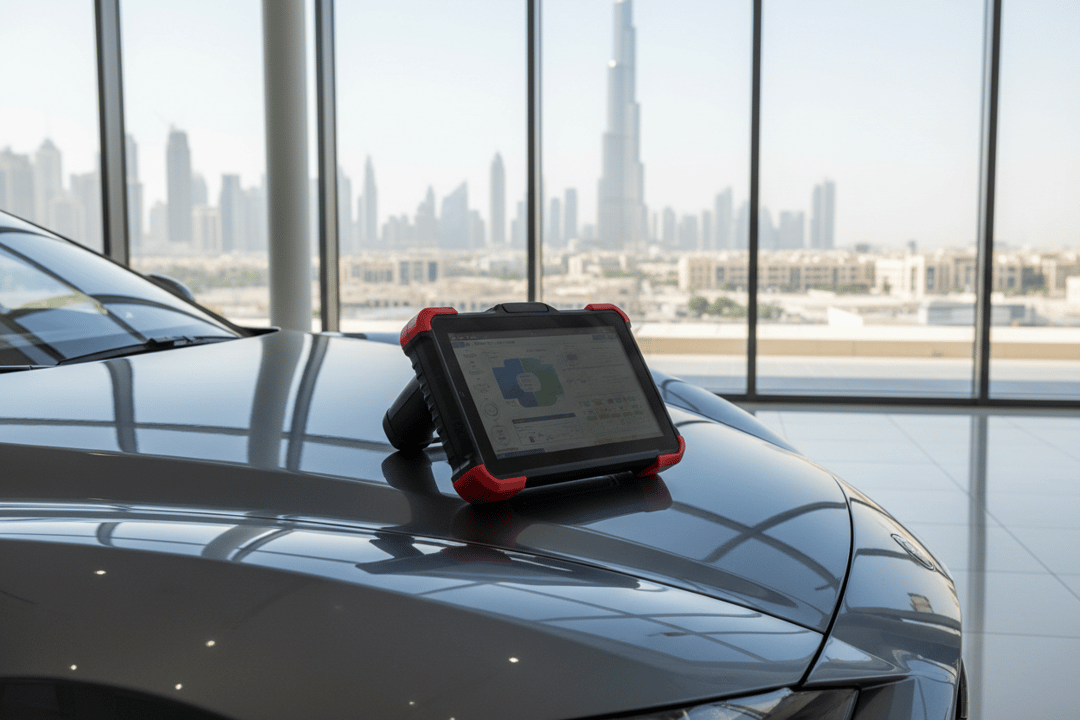
Visual inspections are often insufficient to detect hidden issues exacerbated by the UAE environment. A certified vehicle inspector can evaluate the vehicle's condition using advanced diagnostic tools and physical checks. We recommend utilizing a professional service to verify that all systems are functioning correctly before committing to repairs.
Our on-location inspection service allows vehicle owners to have their cars assessed at their location, saving time and ensuring a thorough examination. We utilize a 410+ checkpointlist to cover every aspect of the vehicle's health. This comprehensive approach ensures that no potential issue is overlooked. For specific electrical faults or engine codes, a diagnostic scan is the first step toward accurate diagnosis.
Recommended AutoFay Packages
We offer a range of inspection packages tailored to different needs, ensuring you pay only for the services required.
- Computer Diagnostic AED 99: A targeted scan of the vehicle's computer system to identify engine, transmission, ABS, and airbag fault codes.
- Body & Computer AED 250: An inspection covering panel-by-panel paint analysis, bodywork condition, and comprehensive electrical diagnostics.
- Comprehensive AED 299: The full 250-plus point inspection including frame integrity, engine sound analysis, tire manufacturing dates, and a full road test.
The Inspection Checklist
To ensure a thorough evaluation of Kia vehicles in the UAE, we categorize our inspection process into specific areas of concern. The following table outlines the key checkpoints included in our comprehensive service.
| Category | Key Checkpoints | Inspection Focus |
|---|---|---|
| Body & Paint | Panel-by-panel analysis | Detecting original vs. repainted areas and identifying accident damage. |
| Frame & Structure | Rails, pillars, floor pan | Assessing structural integrity and alignment to ensure road safety. |
| Engine | Sound analysis, mounts | Listening for abnormal noises and checking for smoke emissions. |
| OBD Scan | Engine, transmission, ABS | Reading stored error codes to diagnose electronic faults. |
| Brakes | Pad thickness rating | Measuring remaining friction material to ensure safe stopping power. |
| Suspension | Shock absorbers, bushings | Checking for wear that affects vehicle stability and ride comfort. |
| Tires | Manufacturing year, wear | Verifying tread depth and checking for rubber aging and sidewall damage. |
| Fluids | Level, condition, color | Assessing the health of oil, coolant, and brake fluids. |
| Road Test | Acceleration, braking, noise | Dynamic testing to identify vibrations, hesitation, or braking issues. |
Proper maintenance of a Kia vehicle in the UAE requires a strict adherence to intervals and an awareness of how extreme heat impacts every component. By prioritizing oil changes, brake fluid maintenance, and transmission care, owners can ensure their vehicle remains reliable. For a detailed assessment of your vehicle's current condition, trust a professional inspection service.
AutoFay inspects 410+ checkpoints with HD photos and PDF report. Book at autofay.ae or call +971542584458



0 Comments
No comments yet. Be the first to share your thoughts!