

The automotive landscape in the United Arab Emirates is dominated by reliability, and the Kia brand has established a strong foothold due to its value proposition and warranty appeal. However, the extreme environmental conditions in the region—characterized by high ambient temperatures, saline air, and abrasive desert sand—accelerate the degradation of vehicle components. A vehicle that performs flawlessly in temperate climates often reveals fatigue in the UAE environment after just a few years. Understanding the specific wear patterns of Kia vehicles allows owners to anticipate maintenance needs before they lead to significant failure. Proactive management of these common repair items ensures safety and preserves the vehicle’s resale value. This guide outlines the typical components requiring attention, the consequences of neglect, and how a professional inspection service identifies these issues early.
Engine and Cooling System Maintenance
The engine is the heart of any vehicle, and in the UAE, it faces a relentless battle against heat. The most common failure point in Kia engines is the cooling system. A failing thermostat can cause the engine to overheat rapidly, leading to warped cylinder heads or blown head gaskets. The consequences of overheating are severe; it can result in a complete engine seizure, which is a total loss scenario rather than a repairable issue.
Another frequent culprit is the radiator hose. High temperatures cause rubber hoses to become brittle and crack, leading to coolant leaks. A loss of coolant reduces the engine's ability to dissipate heat, creating a feedback loop of thermal stress. Additionally, the water pump impeller can degrade over time, causing a loss of circulation that damages internal bearings and seals.
- Thermostat malfunction: Prevents optimal engine operating temperature, causing sluggish performance or overheating.
- Radiator hoses: Cracks and leaks occur due to constant thermal expansion and contraction.
- Water pump failure: Leads to loss of coolant circulation and bearing damage.
Suspension and Steering Components
The suspension system absorbs the impact of the road, but in the UAE, the combination of speed bumps, uneven asphalt, and harsh terrain puts immense stress on these parts. Kia vehicles typically utilize MacPherson strut suspensions, where the shock absorber and spring are combined. Over time, the oil within the shock absorber degrades, reducing its ability to dampen road vibration.
Worn control arms and ball joints compromise the vehicle's alignment and handling. A ball joint that has seized or separated can cause the wheel to detach, creating an immediate safety hazard. Bushings, made of rubber or polyurethane, act as isolators between metal parts. Exposure to heat and oil causes these bushings to harden and crack, leading to clunking noises and a loss of ride comfort.
- Shock absorbers: Dampening capability diminishes, resulting in excessive body roll and poor braking control.
- Control arms & ball joints: Play in these joints leads to uneven tire wear and dangerous handling characteristics.
- Strut mounts: Wear causes abnormal noises during steering maneuvers and vibration through the cabin.
Brake System Integrity
Braking performance is non-negotiable, and the abrasive nature of UAE roads accelerates brake pad wear. Kia brake systems generally use organic or semi-metallic pads, which are designed to stop the vehicle efficiently but wear down with consistent use. When pads become too thin, the metal backing plates contact the rotors, causing scoring and vibration.
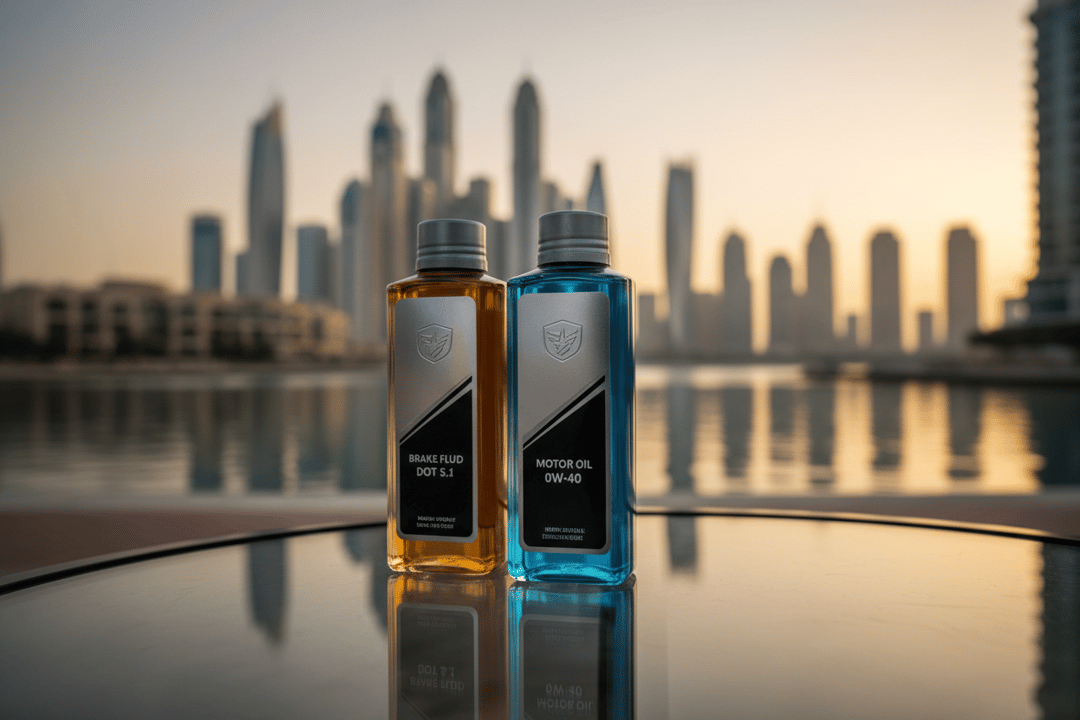
Brake rotors must maintain a specific thickness to dissipate heat effectively. Once cut down to the minimum thickness specification, they are unsafe. Furthermore, the brake fluid absorbs moisture over time, lowering its boiling point. In an emergency stop, low-quality brake fluid can boil, creating a spongy pedal and significantly increasing stopping distance.
- Brake pads: Thin pads cause damage to rotors and reduce the clamping force necessary for safe deceleration.
- Brake fluid: Moisture contamination leads to reduced hydraulic pressure and potential brake failure under high heat.
- Calipers: Sticking calipers prevent the brakes from fully releasing, causing drag and overheating the tires.
Electrical Systems and Sensors
Modern Kia vehicles are increasingly reliant on complex electronic control units (ECUs) and sensors. The climate control system works overtime in the UAE to combat external heat. A faulty condenser fan or a compromised cabin temperature sensor can lead to poor air conditioning performance and increased engine load.
Common electrical failures include the aging of battery terminals, which corrode due to salt air, and the degradation of oxygen sensors. A failing oxygen sensor disrupts the air-fuel mixture, leading to poor fuel economy and increased emissions. Additionally, the ABS (Anti-lock Braking System) sensors are prone to damage from road debris, which can disable the safety features of the braking system.
The Advantage of a Professional Inspection
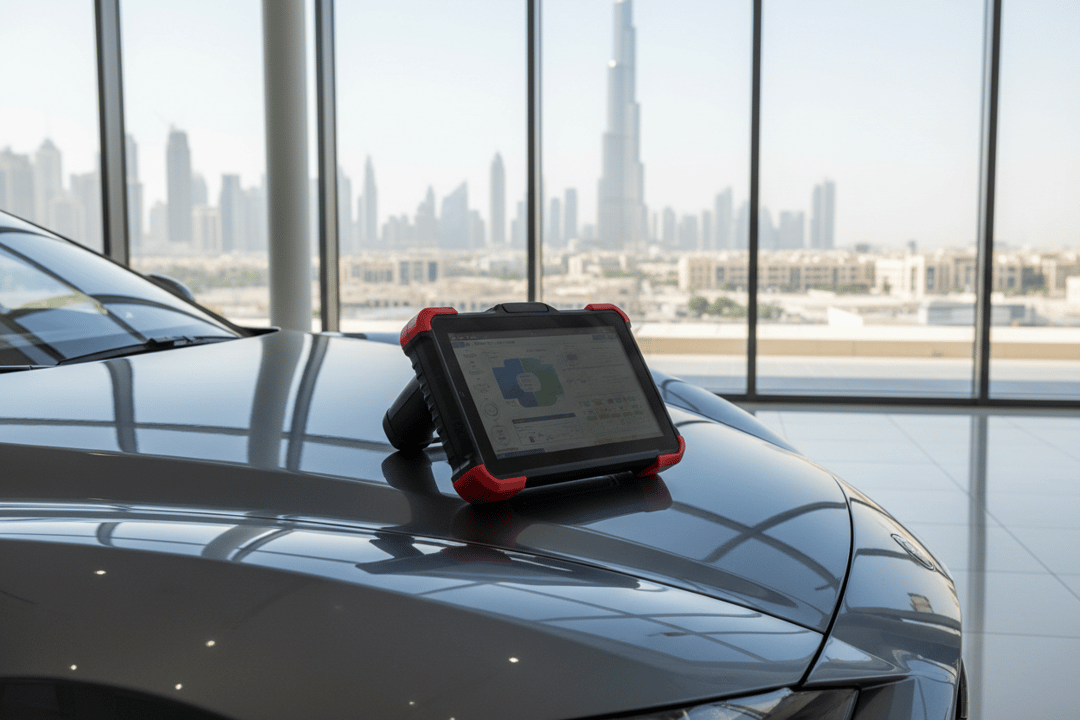
Attempting to diagnose these issues blindly often leads to wasted money on unnecessary repairs or, worse, missing a critical failure. A comprehensive inspection service provides a detailed roadmap of the vehicle's current condition. By utilizing advanced diagnostic tools, technicians can pinpoint the exact source of electrical faults without guesswork.
Visual inspections reveal structural integrity issues that are invisible to the untrained eye. For instance, a professional inspector checks for frame damage, previous major accidents, or rust intrusion in the wheel wells. This level of scrutiny is essential for buyers and current owners alike to understand the true value of the asset.
| Inspection Package | Key Checkpoints | Price |
|---|---|---|
| Computer Diagnostic | Engine, Transmission, ABS, Airbag codes | AED 99 |
| Body & Computer | Panel-by-panel paint check + OBD scan | AED 250 |
| Comprehensive | Full 410+ checkpoint inspection including fluids, tires, and road test | AED 299 |
The table above illustrates the tiered approach to vehicle assessment. The Computer Diagnostic package is essential for identifying electronic faults before they cause drivability issues. The Body & Computer package provides a detailed analysis of the vehicle's exterior condition, checking for panel gaps, paint consistency, and previous repairs. The Comprehensive package is the most thorough option, covering every aspect of the vehicle's health, from the frame rails to the manufacturing date of the tires.
Fluids and Filter Replacement
Fluid degradation is a silent killer of vehicles. Engine oil in the UAE can degrade rapidly due to high temperatures, losing its viscosity and lubricating properties. Sludge buildup can clog oil passages, leading to bearing failure. Transmission fluid, especially in automatic transmissions, breaks down over time, losing its ability to cool and lubricate internal clutches.
The cabin air filter is another often-overlooked component. A clogged filter reduces airflow to the HVAC system, straining the blower motor and reducing the efficiency of air conditioning. It also allows dust and pollen to enter the cabin, which can be an irritant for passengers. Replacing these fluids and filters at recommended intervals prevents the internal wear that leads to expensive rebuilds or replacements.
Ensuring a vehicle remains in optimal condition requires a systematic approach to maintenance. From the cooling system to the electrical architecture, every component has a lifespan defined by operating conditions. Identifying these components early prevents the escalation of minor issues into major failures. A professional inspection acts as a critical diagnostic tool, providing an objective assessment of the vehicle's mechanical state.
AutoFay inspects 410+ checkpoints with HD photos and PDF report. Book at autofay.ae or call +971542584458



0 Comments
No comments yet. Be the first to share your thoughts!