
Ownership of a Honda vehicle in the United Arab Emirates offers drivers the advantage of a reputation for engineering reliability and fuel efficiency. However, the intense desert climate, high ambient temperatures, and the nature of local driving conditions place significant stress on vehicle components. While the chassis and drivetrain are generally robust, the mechanical systems require specific attention to maintain peak performance and safety. Understanding the common wear points allows owners to address issues before they escalate into major failures. A professional inspection acts as a critical diagnostic tool, identifying these vulnerabilities through a rigorous evaluation of 410+ checkpoints across 25 distinct categories. This proactive approach prevents unexpected breakdowns and ensures the vehicle remains roadworthy.
Engine Components and Timing Systems
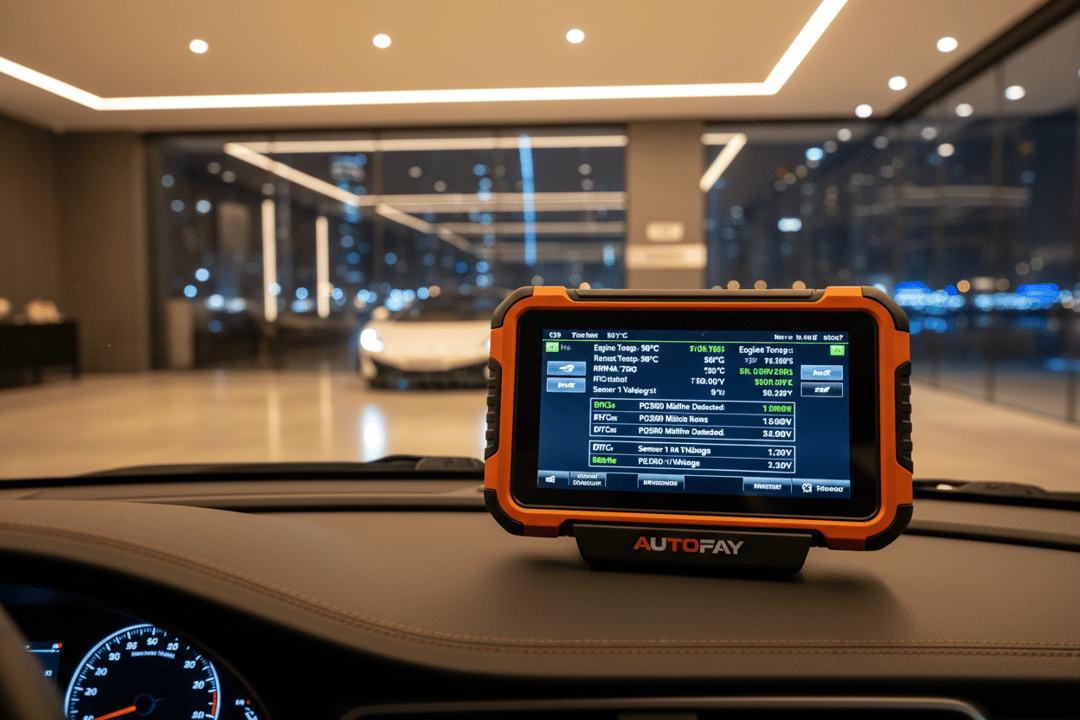
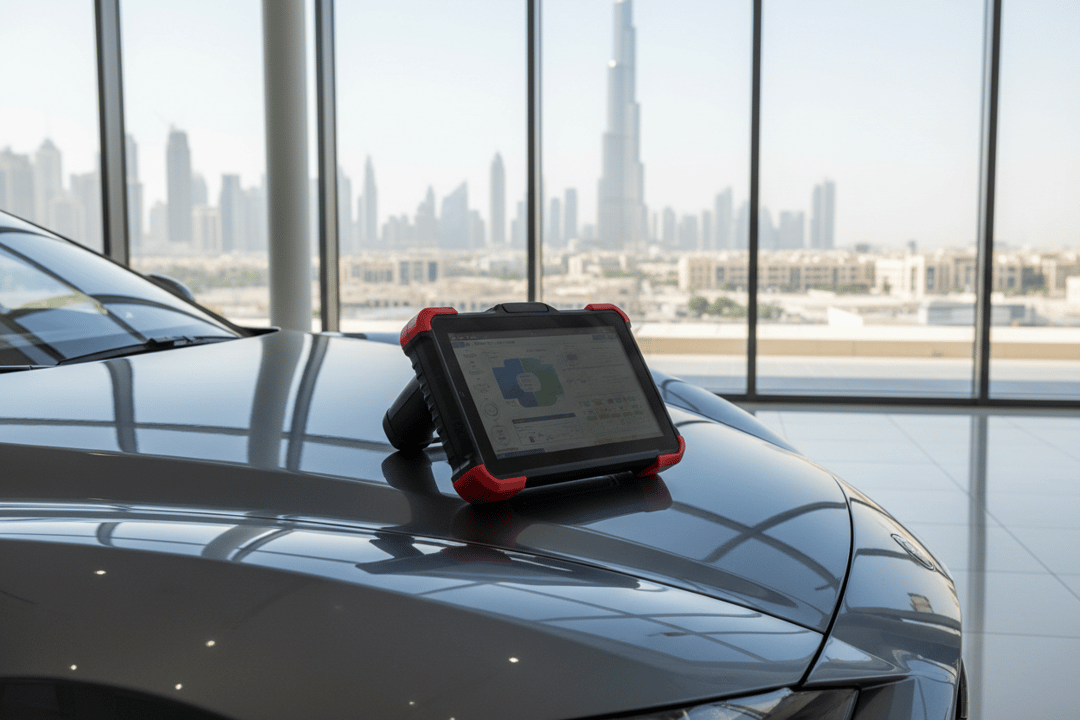
The heart of any Honda is its engine, often featuring the legendary K-series or VTEC technology. In the UAE, where vehicles spend more time idling in traffic and idling produces less heat than high-speed driving, the impact on engine components is specific. The most critical maintenance item is the timing chain. Unlike older models that used rubber belts, many modern Hondas use metal chains that can stretch over time. If a timing chain stretches or skips a tooth, the engine may fail to start, or worse, suffer catastrophic internal damage. A professional OBD scan is essential to detect these anomalies early.
Oil leaks represent another common issue, particularly around the valve cover gasket. The intense heat accelerates the degradation of rubber seals. If an oil leak is left unattended, it can lead to low oil levels, causing engine overheating and accelerated wear on internal bearings. Furthermore, the air conditioning compressor and condenser are subjected to extreme UV exposure. Over time, the seals in the AC system can dry out, leading to refrigerant leaks and reduced cooling efficiency during peak summer months. A comprehensive inspection includes a road test to listen for abnormal engine noises, such as piston slap or rod knock, which indicate internal wear requiring immediate attention.
Brake System Longevity
Brake performance is arguably the most critical safety system in any vehicle. In the congested streets of Dubai, Abu Dhabi, and the Northern Emirates, drivers frequently engage in stop-and-go traffic, which places higher stress on brake pads and rotors compared to highway driving. The typical lifespan of brake pads in this environment is often between 20,000 and 40,000 kilometers, depending on driving style. Worn brake pads can cause the warning light to illuminate, but they can also lead to damage of the brake calipers and rotors. If these components are not replaced in a timely manner, the vehicle may exhibit a soft brake pedal feel or increased stopping distances, creating a significant hazard.
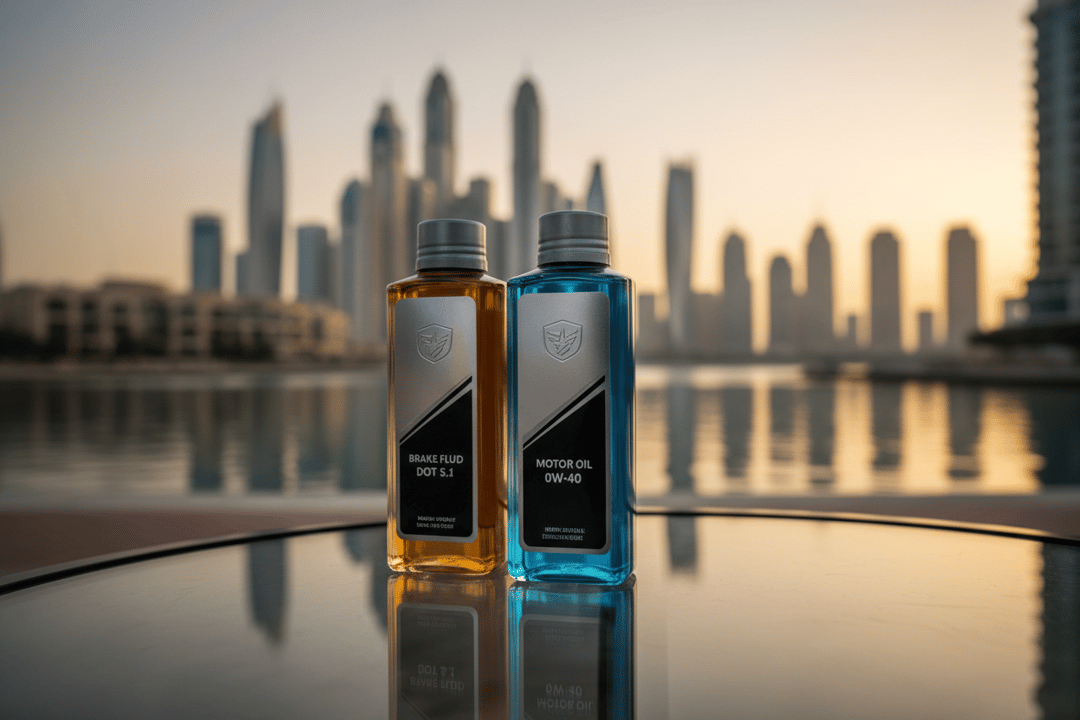
Regular inspections evaluate the brake pad percentage rating and the condition of the brake fluid. Brake fluid is hygroscopic, meaning it absorbs moisture from the air over time. This moisture lowers the boiling point of the fluid, which can lead to brake fade during heavy braking. A experienced inspector will check for fluid leaks from the master cylinder or calipers and assess the thickness of the brake rotors for scoring or warping. Addressing brake wear immediately prevents the need for more expensive repairs, such as replacing a warped rotor or a seized caliper piston.
Suspension and Steering Wear
The UAE infrastructure, including speed bumps and potholes, demands a healthy suspension system. Honda vehicles are generally comfortable, but the bushings and shocks begin to deteriorate under the constant load of high-speed travel and road irregularities. The front and rear suspension links, including tie rods and ball joints, are subject to high stress. A worn tie rod end can result in a loss of steering alignment, causing the vehicle to pull to one side or shake at high speeds. This condition is not only uncomfortable but compromises the vehicle's ability to negotiate corners safely.
Shock absorbers and struts play a vital role in maintaining tire contact with the road. Over time, the hydraulic fluid inside the shocks degrades, reducing their ability to dampen the impact of bumps. This leads to a bouncy ride and increased tire wear. An inspection will check for leaks on the shock bodies and listen for clunking noises when driving over uneven surfaces. Replacing worn suspension components is necessary to ensure the vehicle remains stable and to extend the life of the tires, which are already under stress from the high temperatures.
Fluids and Transmission Health
Transmission fluid is the lifeblood of an automatic gearbox. Honda’s automatic transmissions are known for their durability, but they are not immune to the effects of old fluid. The fluid breaks down over time, losing its viscosity and friction-modifying properties. If the transmission fluid is not changed at the manufacturer’s recommended intervals, the internal clutch plates can wear unevenly, leading to slipping, delayed engagement, or harsh shifting. In extreme cases, neglect can result in transmission failure, requiring a complete rebuild.
Other vital fluids include power steering fluid and differential fluid. Power steering fluid can become contaminated with air bubbles, leading to a stiff steering wheel. Differential fluid must be examined for metal shavings, which indicate internal gear wear. Coolant levels and condition are also critical, especially for the radiator and heater core. A coolant flush prevents the formation of rust and scale inside the cooling system, which can clog the radiator and cause the engine to overheat. A professional inspection covers fluid levels and physical condition, ensuring no leaks are present before a road test begins.
Body Integrity and Paint
While rust is less of a concern in the UAE due to the dry climate, body integrity is still paramount. Vehicles are frequently involved in minor accidents, and poorly repaired panels can compromise safety. Frame damage, even if the paint looks intact, can affect the alignment of the suspension and steering components. A experienced inspector will perform a visual assessment of the body and paint, categorizing panels as original, repainted, or repaired. They will look for mismatched paint shades, overspray, or signs of filler use that indicate previous repairs.
The condition of the headlight and taillight lenses is also crucial. UV exposure can cause these lenses to become cloudy and brittle, reducing visibility and potentially failing an MOT or inspection. Scratches in the windshield can distort vision and become hazardous if they extend into the driver's line of sight. An inspection will check for cracks in the windshield and frame, ensuring the structural safety of the vehicle remains intact. Identifying these issues early allows for minor cosmetic repairs, preventing the need for expensive bodywork later.
Tires and Wheels
Tires are the only point of contact between the vehicle and the road surface. The UAE climate accelerates the aging of rubber compounds, causing tires to degrade even if they have low mileage. An inspection checks the manufacturing date of the tires, as rubber begins to harden after five or six years. Tires with sidewall cracks or uneven tread wear patterns indicate alignment issues or suspension problems that must be addressed immediately. Driving on a tire with dry rot or excessive wear creates a significant risk of a blowout, particularly at highway speeds.
The Value of a Professional Inspection
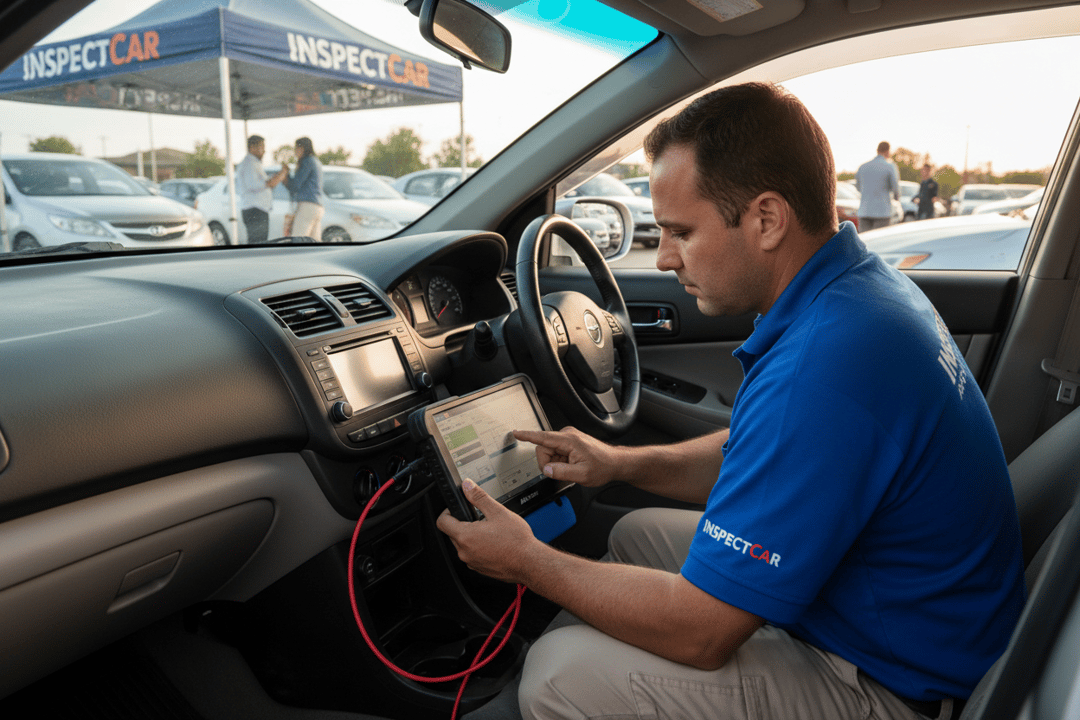
Preventing surprise repairs requires a systematic approach to vehicle maintenance. At AutoFay, we provide a on-location inspection service that covers the entire vehicle without requiring you to visit a workshop. Our experienced inspectors utilize a standardized checklist to assess 25 key categories, including body, frame, engine, OBD scan, brakes, suspension, tires, and fluids. By utilizing our packages, you gain access to professional expertise that reveals hidden defects before they become costly liabilities. The Computer Diagnostic package, priced at AED 99, scans for error codes in the engine, transmission, ABS, and airbag systems. The Body & Computer package, at AED 250, combines a panel-by-panel paint assessment with essential electronic diagnostics. The Comprehensive package, at AED 299, offers a full inspection of all major systems.
| Package | Price (AED) | Key Focus |
|---|---|---|
| Computer Diagnostic | 99 | OBD Scan (Engine, Trans, ABS, Airbag Codes) |
| Body & Computer | 250 | Panel-by-Panel Body/Paint Check + OBD Scan |
| Comprehensive | 399 | Full 25 Categories (Suspension, Brakes, Tires, Fluids, Frame) |
Understanding the approximate timelines for replacing these items helps owners budget for maintenance. While timing chains are often considered maintenance-free, O2 sensors typically last between 60,000 and 100,000 kilometers. Brakes generally need attention every 30,000 to 50,000 kilometers. By adhering to these timelines and utilizing a professional inspection service, vehicle owners in the UAE can ensure their Hondas remain reliable, safe, and free from unexpected repair costs.
AutoFay inspects 410+ checkpoints with HD photos and PDF report. Book at autofay.ae or call +971542584458

0 Comments
No comments yet. Be the first to share your thoughts!