

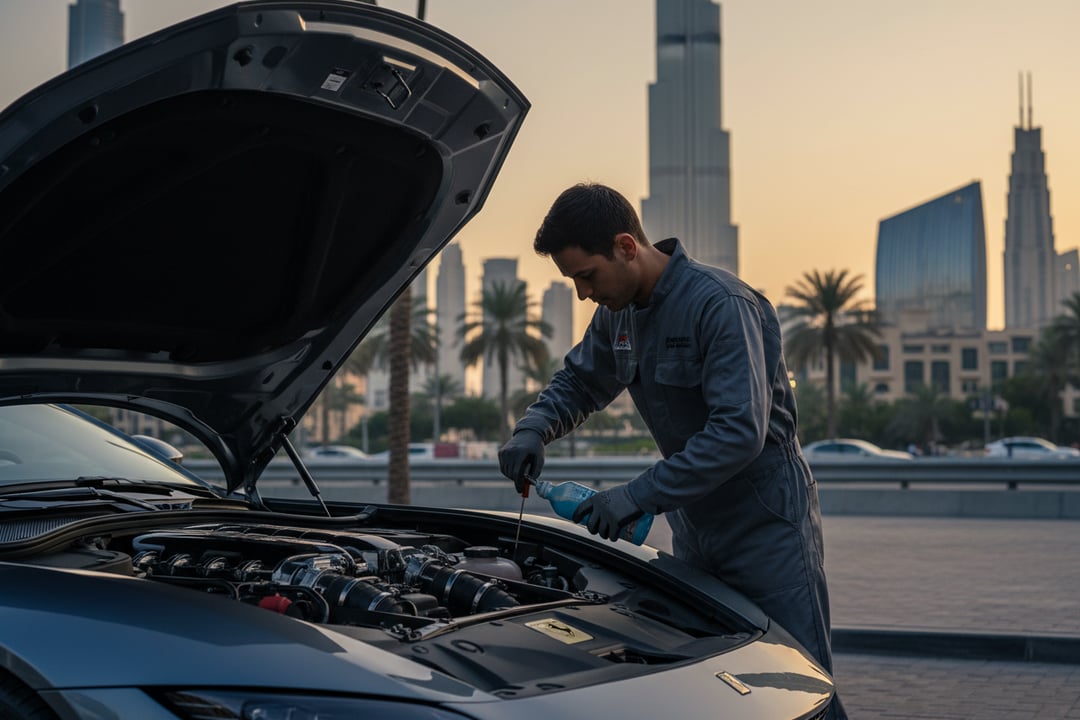
Owning a high-performance coupe in the United Arab Emirates presents a unique set of maintenance challenges that differ significantly from standard sedans or SUVs. The combination of intense solar radiation, high ambient temperatures, and abrasive desert road conditions accelerates the degradation of critical components. A coupe’s aerodynamic profile, lower ground clearance, and stiffer suspension tuning further amplify the effects of environmental stressors. While the aesthetic appeal of a coupe is undeniable, its mechanical longevity relies heavily on a strict adherence to climate-specific maintenance protocols. Neglecting these specialized requirements often leads to premature component failure, requiring expensive structural repairs that could have been avoided with preventative care.
The Critical Role of Engine Oil in High-Temperature Environments
The engine operates as the heart of any coupe, but in the UAE, it acts as a furnace. High ambient temperatures increase the operating temperature of the engine, which in turn accelerates the chemical breakdown of engine oil. Standard mineral oils degrade rapidly under these conditions, losing their ability to lubricate effectively. This degradation results in increased friction between metal components, leading to excessive wear on bearings, pistons, and cylinder walls. Consequences of neglecting oil changes include sludge buildup, which can block vital oil passageways, and catastrophic engine seizure due to lack of lubrication.
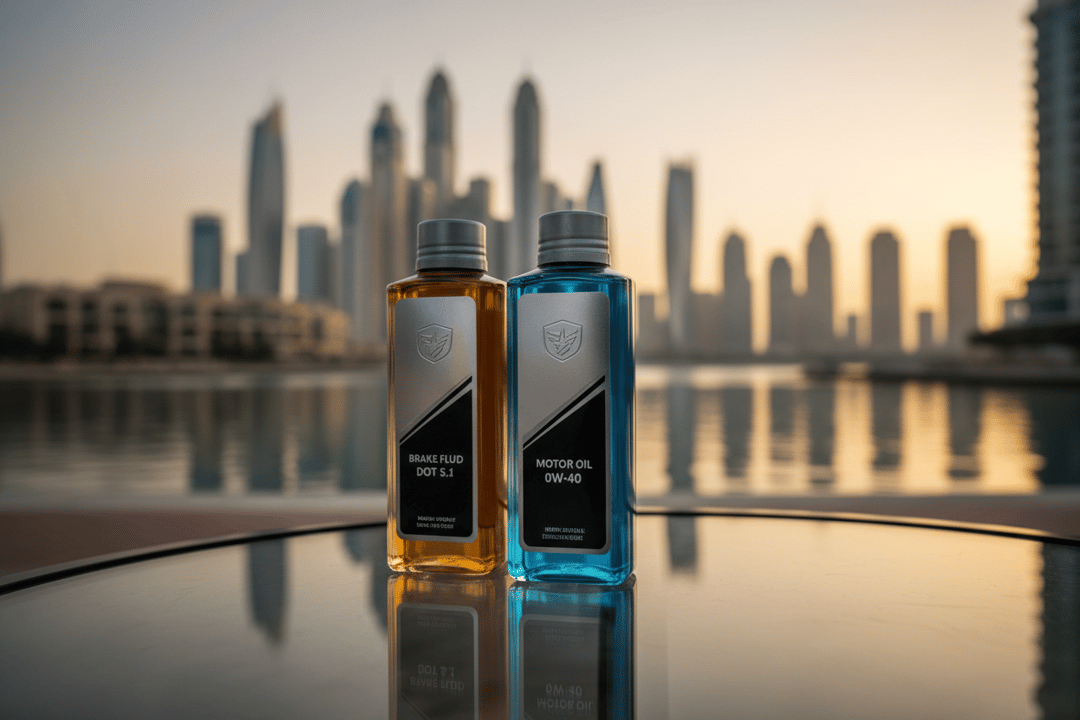
Consequently, the choice of lubricant is more critical than ever. High-performance synthetic oils are generally recommended to maintain viscosity at higher temperatures and provide better shear stability. However, the type of oil is only effective if the change interval is respected. In the UAE, manufacturers often suggest shorter intervals for severe heat conditions compared to temperate climates. Regular oil analysis can help track the health of the engine, but visual inspection remains a primary indicator of oil condition, specifically checking for a dark, gritty consistency or a burnt smell.
Fluid Management: Coolant and Brake Fluid Vulnerability
While oil protects the internal moving parts of the engine, the cooling system is responsible for managing the thermal load generated by high-performance engines. The radiator works overtime to dissipate heat, particularly during stop-and-go traffic in cities like Dubai and Abu Dhabi. The coolant mixture must maintain its boiling point to prevent the engine from overheating. A failure in the cooling system, such as a leaking radiator hose or a clogged thermostat, leads to rapid temperature spikes. This thermal shock can warp cylinder heads and crack engine blocks, resulting in repairs that exceed the value of the vehicle.
Brake fluid is equally susceptible to the harsh climate. Brake fluid is hygroscopic, meaning it absorbs moisture from the atmosphere over time. In the UAE, the high humidity levels in coastal areas exacerbate this absorption rate. Moisture contamination lowers the brake fluid's boiling point, causing it to boil and create vapor pockets in the brake lines. This phenomenon, known as brake fade, occurs when heat builds up during repeated hard braking or prolonged driving in traffic. When the fluid boils, the brake pedal can feel spongy or sink to the floor, significantly increasing stopping distances and posing a severe safety hazard.
- Radiator and Condenser Maintenance: Ensure the condenser and radiator fins are free of sand and dust accumulation, which blocks airflow and reduces cooling efficiency.
- Thermostat Functionality: Verify that the thermostat opens at the correct temperature to allow the engine to reach optimal operating temperature quickly.
- Brake Fluid Flush: Inspect the fluid color; a clear or light golden color indicates fresh fluid, while a brown or black tint suggests contamination and the need for replacement.
Tire and Suspension Wear Patterns Specific to Coupes
Coupes are frequently equipped with larger wheels and lower profile tires compared to family sedans. This configuration reduces the sidewall height, making the tires more sensitive to road imperfections. In the UAE, the combination of heat and abrasive road surfaces leads to rapid tire degradation. Asphalt temperatures can exceed 60°C (140°F), which softens the rubber compound. This softening, coupled with the high impact forces of driving over potholes or rough asphalt, causes the tread to wear unevenly and the rubber to crack prematurely.
The suspension system of a coupe is typically tuned for sporty handling, featuring stiffer springs and anti-roll bars. These components transmit more road vibration to the chassis than softer suspensions. The constant exposure to thermal expansion and contraction causes rubber bushings in the suspension to dry out and crack. A failed bushing alters the geometry of the suspension, leading to poor handling characteristics and uneven tire wear. Consequences include premature tire replacement and potential damage to the steering rack or tie rods if the issue is left unaddressed.
- Tire Pressure Monitoring: Heat causes tire pressure to rise; however, over-inflation reduces the contact patch, leading to a hard ride and increased risk of blowouts on high-speed highways.
- Suspension Bushings: Inspect for cracking or crumbling rubber, which allows unwanted movement in the chassis and reduces ride comfort.
- Wheel Alignment: Verify alignment angles to ensure the vehicle tracks straight, which is essential for even tire wear and fuel efficiency.
The Necessity of Advanced Diagnostic and Structural Inspection
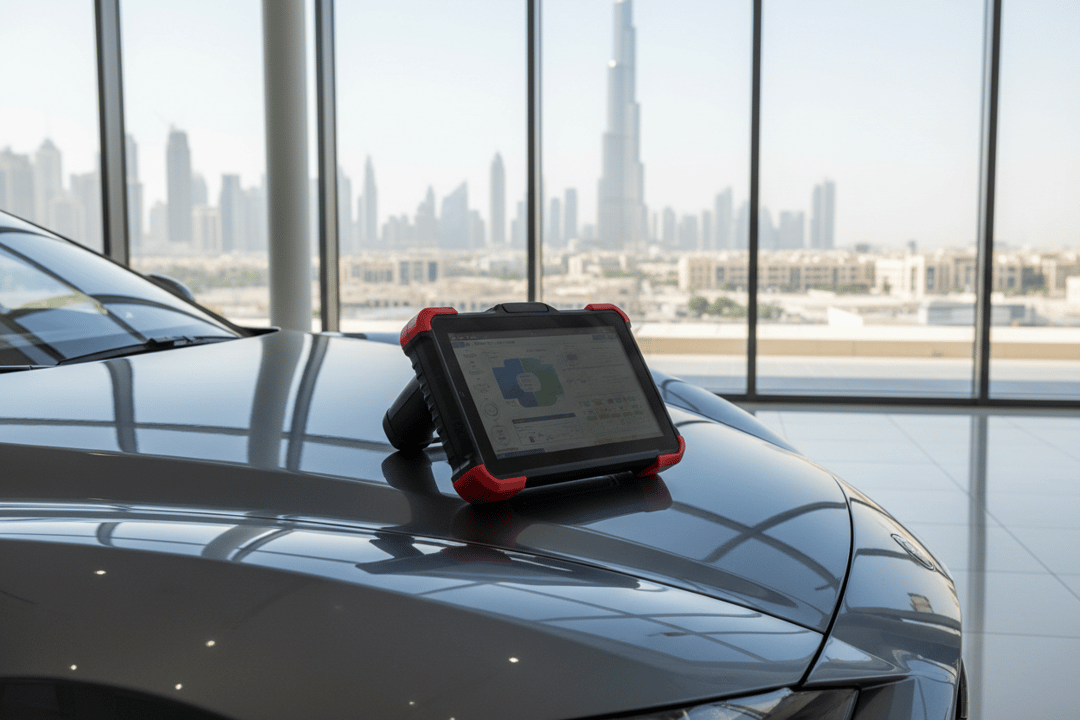
Visual inspections are often insufficient for diagnosing the full scope of a coupe's condition, particularly in the UAE market where vehicles may have endured varying ownership histories and climatic exposure. A trained inspector must utilize diagnostic tools to read hidden error codes from the Engine Control Unit (ECU). These codes can reveal issues with the oxygen sensors, mass airflow sensors, or turbochargers that are not immediately apparent during a test drive. Ignoring these electronic glitches can lead to decreased fuel efficiency and reduced performance over time.
Furthermore, the body integrity of a coupe is critical to its structural rigidity and safety. The use of aluminum or composite materials in modern coupes requires specialized knowledge to identify signs of accident damage or corrosion. A comprehensive inspection covers the chassis rails, pillars, and floor pan to ensure the vehicle has not suffered from stress fractures or hidden frame damage. This level of scrutiny is vital for ensuring the vehicle's safety and maintaining its resale value.
| Inspection Package | Service Inclusions | Starting Price |
|---|---|---|
| Computer Diagnostic | OBD scan for engine, transmission, ABS, and airbag error codes | AED 99 |
| Body & Computer | Panel-by-panel paint inspection and computer diagnostics | AED 250 |
| Comprehensive | 410+ checkpoints including frame, fluids, engine sound, brakes, and road test | AED 299 |
For buyers and owners seeking a thorough evaluation of a vehicle, professional inspection services in the UAE offer a on-location solution that covers all seven emirates. These services provide detailed documentation, including HD photos and a comprehensive PDF report, to ensure transparency in vehicle condition. Utilizing a experienced inspector bridges the gap between visual assessment and mechanical reality, providing a clear picture of the vehicle's health.
AutoFay inspects 410+ checkpoints with HD photos and PDF report. Book at autofay.ae or call +971542584458


0 Comments
No comments yet. Be the first to share your thoughts!