

The Arabian Gulf climate imposes extreme thermal stress on automotive cooling systems. Temperatures frequently exceed 45°C, placing continuous load on engine components. In these conditions, the cooling system functions as the primary defense against catastrophic engine failure. Standard maintenance schedules often fail to account for the accelerated degradation of fluids in such environments. Consequently, vehicle owners must service coolant systems twice as often as those in temperate regions. Ignoring this requirement leads to rapid corrosion and reduced thermal efficiency.
Engine Thermal Stress in the Arabian Gulf
The ambient heat radiates through the asphalt and into the vehicle chassis, raising the under-hood temperature significantly. This environment accelerates the chemical breakdown of the coolant solution, reducing its ability to transfer heat. The boiling point of the fluid drops even if the concentration remains technically correct. High temperatures also cause the coolant hoses to expand and weaken prematurely. A compromised cooling system cannot dissipate the heat generated by turbochargers or high-compression engines common in the UAE market.
Overheating causes the cylinder head to warp, leading to head gasket failure. This mechanical issue allows coolant to mix with engine oil, destroying lubrication properties. The resulting engine seizure renders the vehicle unusable. Regular fluid changes are the only preventative measure against this specific failure mode in the local climate.
Coolant Chemistries: OAT, IAT, and HOAT
Modern vehicles utilize distinct chemical formulations to prevent corrosion and freezing. Understanding the specific type of coolant installed in your vehicle is critical for maintenance. Using the wrong fluid can void warranties and damage cooling components. Coolants are broadly categorized into three types based on their chemical composition.
- Inorganic Acid Technology (IAT): The oldest form of coolant, typically green or blue. It requires frequent changes and offers limited corrosion protection.
- Organic Acid Technology (OAT): Designed for long-term protection, this orange or red coolant lasts up to five years. It relies on organic acids to protect aluminum components.
- Hybrid Organic Acid Technology (HOAT): A blend of both types, often yellow or pink. It provides a balance of protection and longevity, commonly found in European and Asian vehicles.
Selecting the correct type prevents chemical incompatibility. Manufacturers specify the exact formulation required for the engine metallurgy. Mixing incompatible chemistries creates a gel-like substance that blocks narrow cooling passages.
| Type | Color | Lifespan | Primary Protection |
|---|---|---|---|
| Inorganic Acid Technology (IAT) | Green, Blue | 1–2 Years | Aluminum, Copper, Brass |
| Organic Acid Technology (OAT) | Orange, Red | 5 Years | Aluminum, Plastic |
| Hybrid Organic Acid Technology (HOAT) | Yellow, Pink | 3–5 Years | Aluminum, Cast Iron |
The Dangers of Mixing Coolants
The most dangerous maintenance error occurs when different coolant types are combined. Even identical colors can represent different chemical structures. Mixing IAT with OAT, for example, causes the organic acids to react with the inorganic inhibitors. This chemical reaction produces a precipitate that looks like jelly or sludge.
Clogged cooling passages prevent water flow, leading to overheating. The sludge also creates hot spots that damage the cylinder head and gasket. Furthermore, pH imbalance accelerates the corrosion of aluminum radiators and heater cores. Once mixed, the entire cooling system requires complete flushing and refilling. Attempting to top off the system with the wrong fluid introduces the contaminants immediately.
Flush Intervals and Maintenance
Manufacturers recommend specific intervals for coolant replacement, typically every two to five years. In the UAE, these intervals should be halved to account for thermal degradation. The coolant acts as a lubricant for the water pump impeller. Old coolant loses this lubricity, causing the pump bearings to wear out prematurely.
Flushing the system removes existing contaminants and restores the pH balance. A standard flush involves draining the old fluid, flushing the radiator with water, and refilling with a fresh mixture. This process ensures the longevity of the water pump, thermostat, and hoses. Neglecting flushes allows sediment to accumulate in the engine block, which is difficult to remove without dismantling the engine.
Visual Inspection and Road Test Indicators
A professional inspection identifies coolant issues before they become catastrophic. During a road test, technicians listen for the sound of a failing water pump, which often whines or squeaks during acceleration. Smoke from the exhaust indicates coolant burning, usually white and sweet-smelling. This sign suggests a blown head gasket or a cracked cylinder head.
Under the hood, inspectors check the condition of the radiator cap. A worn cap fails to maintain system pressure, reducing the boiling point of the coolant. They also inspect the radiator hoses for softness, bulging, or cracks. A thorough inspection includes checking the level and condition of all fluids, ensuring no contaminants are present.
Professional Inspection Packages
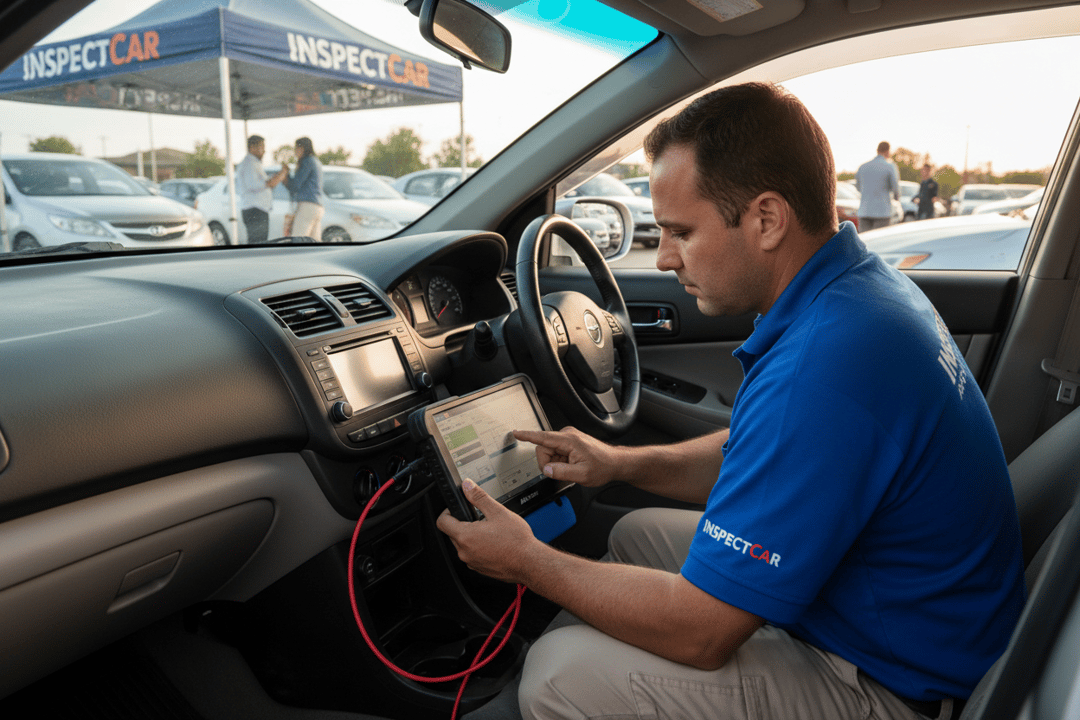
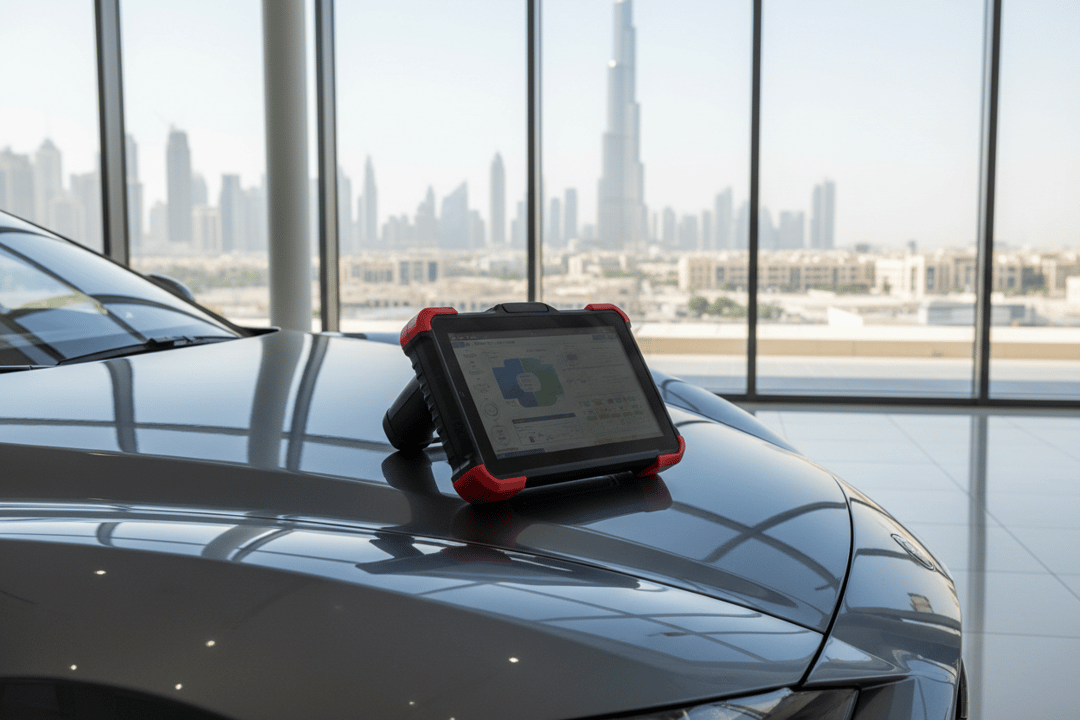
Regular maintenance requires a comprehensive evaluation of vehicle health. AutoFay provides a on-location inspection service covering all seven Emirates. Their packages assess critical components to ensure vehicle reliability. The Computer Diagnostic service at AED 99 reads engine, transmission, and ABS codes, often revealing hidden cooling system faults.
For a more detailed examination, the Body & Computer package at AED 250 combines diagnostic scanning with a visual body and mechanical check. The most thorough option is the Comprehensive package at AED 299. This package covers 410+ checkpoints across 25 categories. It includes a panel-by-panel paint analysis, frame integrity checks, and a full fluid assessment. Inspectors verify fluid levels, condition, and color consistency. The road test evaluates acceleration, braking, and noise levels to ensure the cooling system is functioning correctly under load.
AutoFay inspects 410+ checkpoints with HD photos and PDF report. Book at autofay.ae or call +971542584458

0 Comments
No comments yet. Be the first to share your thoughts!