

The 100,000-kilometer mark represents a critical juncture in a vehicle's lifecycle. At this mileage, a car has transitioned from a new purchase to a mature machine that requires rigorous maintenance to ensure safety and longevity. In the demanding environment of the UAE, where extreme heat, sand, and high-speed driving place immense stress on mechanical components, skipping this milestone can lead to significant failures. Understanding exactly what requires attention at higher mileage allows owners to separate genuine safety concerns from cosmetic issues, ensuring that maintenance spending is directed where it actually matters.
Engine Health and Fluid Analysis
The internal health of the engine is the most critical factor in determining a vehicle's remaining value and reliability. at higher mileage, internal seals and gaskets begin to degrade due to the thermal cycles experienced in the UAE climate. Ignoring the condition of engine fluids can lead to sludge buildup, overheating, and ultimately, engine failure. A comprehensive visual and diagnostic inspection is necessary to identify leaks, unusual sounds, or smoke emissions that indicate internal wear.
Fluids, including engine oil, coolant, and transmission fluid, should be checked not only for level but for condition. Old oil loses its ability to lubricate and protect against metal-on-metal friction, which accelerates engine wear. The transmission fluid often contains detergents that keep the gearbox clean; once these detergents expire, the internal gears can corrode and fail. A professional inspection must verify these levels and clarity to prevent the expense of a full engine or transmission rebuild.
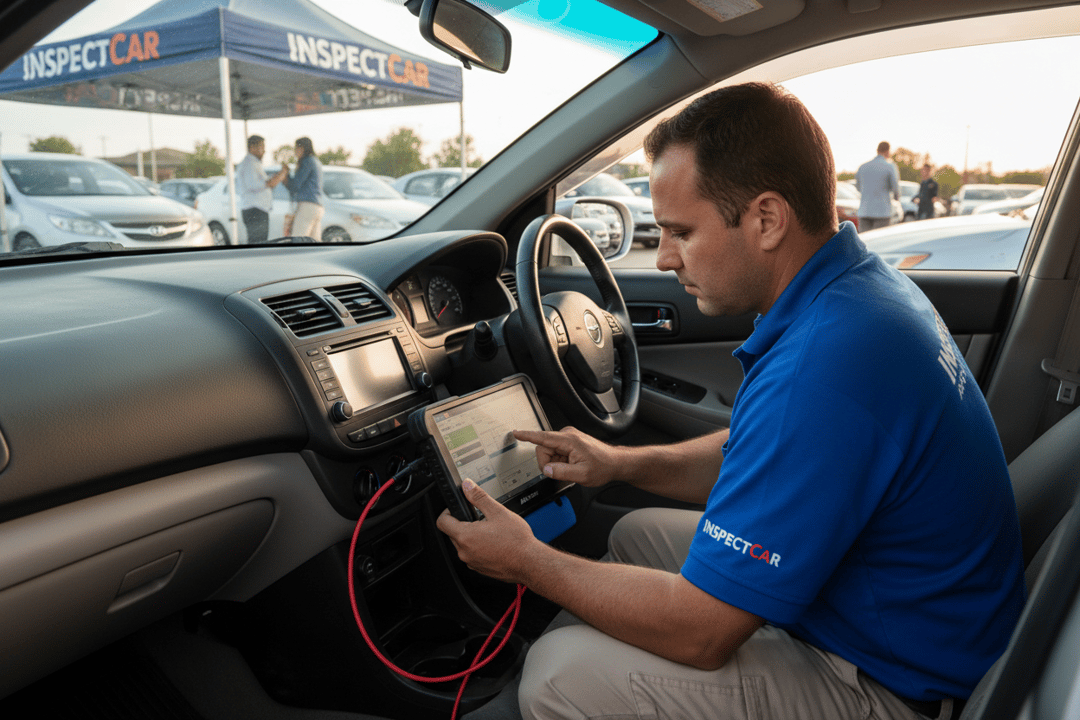
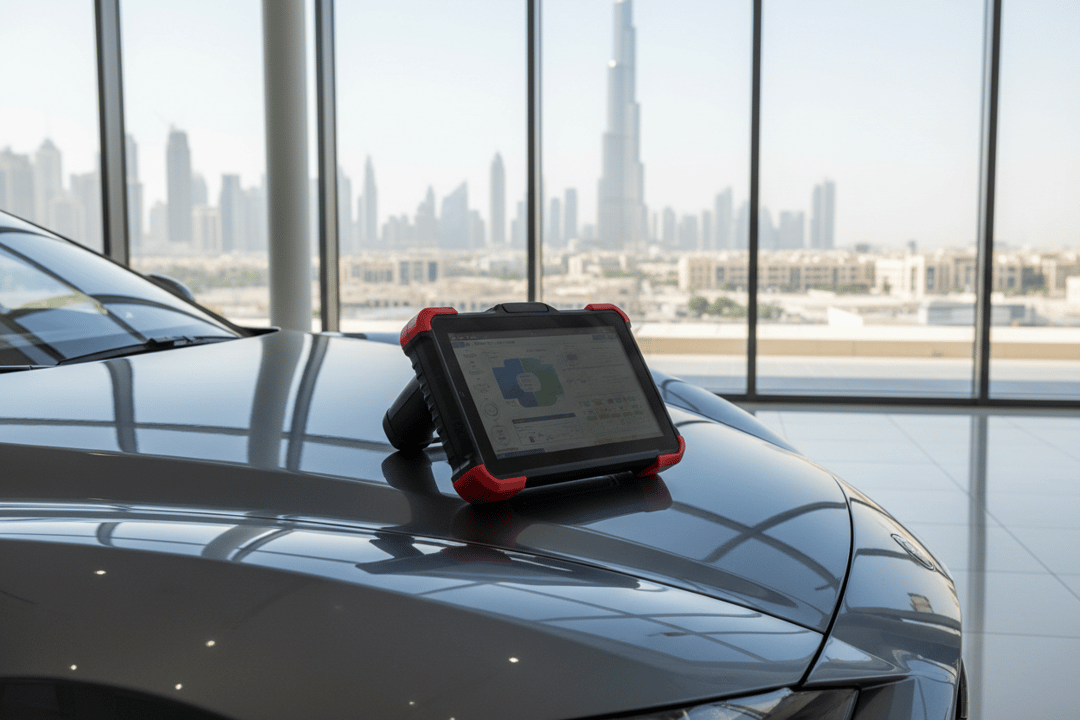
Utilizing an On-Board Diagnostics (OBD) scan is essential at this stage. Modern vehicles store critical data regarding engine performance, transmission shifting patterns, ABS functionality, and airbag system status. A scan can reveal pending trouble codes that a visual inspection cannot detect. AutoFay offers a Computer Diagnostic service for AED 99, which provides a crucial baseline of data before physical inspections begin.
Braking System Integrity
Braking systems endure the most violent physical forces during normal driving operations. By the time a vehicle reaches higher mileage, brake pads and shoes are generally worn to their limit. Continuing to drive on worn pads will not only degrade the braking performance but will also damage the rotors or drums. Once a rotor is scored or worn past the minimum thickness specification, it cannot be resurfaced and must be replaced, significantly increasing the repair bill.
Brake fluid is hygroscopic, meaning it absorbs moisture over time. at higher mileage, brake fluid can become saturated with water, which lowers its boiling point. In the UAE heat, this can lead to brake fade, where the pedal feels spongy or the brakes lose effectiveness during heavy braking or prolonged descents in mountainous areas. Inspecting the brake fluid for moisture content and color is a non-negotiable safety check. AutoFay inspectors rate brake pad percentage during the assessment, providing a clear indication of remaining life and urgency for replacement.
- Brake Pads and Shoes: Check thickness and wear patterns. Uneven wear indicates suspension or alignment issues.
- Rotors and Drums: Inspect for scoring, rust, and thickness to ensure they meet manufacturer safety standards.
- Brake Fluid: Verify level and color; golden yellow is acceptable, while black indicates contamination.
- Calipers and Lines: Check for leaks or sticking slides that can cause uneven braking.
Suspension and Steering Components
The suspension system connects the vehicle to the wheels and is responsible for absorbing road imperfections. at higher mileage, suspension components such as shock absorbers, struts, and control arm bushings have likely reached the end of their service life. Driving on worn shocks increases stopping distance and compromises vehicle stability, especially during emergency maneuvers or high-speed highway driving. A bouncy, unstable ride is a primary symptom of failing suspension hardware.
Worn suspension components also accelerate tire wear. If shocks are unable to dampen the bounce of the tires, the tires will bounce instead of gripping the road, leading to cupping patterns on the tread and uneven tire wear. Inspecting the rubber bushings for cracking and checking the hydraulic fluid levels in shock absorbers is vital. Ignoring suspension failure can lead to loss of vehicle control, posing a severe safety risk.
Tire Condition and Age
Tires are the only point of contact between the vehicle and the road, making their condition paramount for safety. at higher mileage, tires often have sufficient tread depth, but the rubber compound itself begins to harden and lose elasticity due to oxidation and heat. This reduces the tire's ability to grip the road, particularly in wet conditions or during sudden braking.
Tire age is often overlooked but is equally critical. A tire’s manufacturing date code indicates when the rubber was produced. Most tire manufacturers recommend replacement after six years, regardless of tread depth. A professional inspection must verify the manufacturing year of every tire to ensure it has not surpassed its safe operational lifespan. Furthermore, checking the tire pressure and alignment ensures that the vehicle is handling correctly and that the tires are wearing evenly.
Body, Frame, and Paint Integrity
Structural damage is often hidden beneath the surface of a vehicle’s exterior. at higher mileage, a car may have been involved in minor accidents that were not properly repaired. Poor repairs can compromise the vehicle's structural rigidity, leading to handling issues and safety risks in the event of a collision. A detailed inspection must look beyond the visual appeal of the paint to assess the underlying integrity.
Panel-by-panel inspection is necessary to identify discrepancies in paint depth, color matching, and the presence of overspray. This process reveals whether bodywork was performed professionally or hastily. Inspectors must check the frame rails, pillars, and floor pan for damage or previous welding that might indicate significant structural stress or accident history. AutoFay’s inspection process covers these critical structural elements to ensure the vehicle's safety cage remains intact.
The Necessity of a Professional Milestone Inspection
Visual inspections are insufficient for determining the true condition of a vehicle at higher mileage. A professional inspection process involves a systematic approach across 25 categories and over 410+ checkpoints. This level of detail ensures that no critical component is overlooked, from the smallest bolt to the largest structural member. Attempting to assess these components without proper training and tools can lead to dangerous oversight.
For vehicle owners in the UAE, convenience and accessibility are key factors in maintaining a car. A professional on-location inspection service brings the workshop to the vehicle, covering all seven Emirates. This eliminates the need for the owner to transport a heavy vehicle to a shop and provides immediate, actionable data. AutoFay provides three distinct packages tailored to different inspection needs, ensuring that whether a buyer is looking for a diagnostic check or a comprehensive pre-purchase assessment, the right tools are employed.
| Package Type | Price (AED) | Key Focus Areas |
|---|---|---|
| Computer Diagnostic | 99 | Engine, Transmission, ABS, Airbag system codes, and sensor readings. |
| Body & Computer | 250 | Panel-by-panel paint check, OBD scan, and identification of repaired sections. |
| Comprehensive | 399 | Full 410+ checkpoint inspection including Frame integrity, Engine sound, Suspension, Tires, and Brakes. |
Understanding the specific condition of the vehicle is the first step toward responsible ownership. A professional report with HD photos and a detailed PDF summary provides the documentation needed to make informed decisions about repairs or maintenance planning. This data-driven approach prevents the anxiety of the unknown and ensures that maintenance is performed based on actual vehicle needs rather than arbitrary timelines.
at higher mileage, the difference between a smooth, safe drive and a breakdown is often found in the details. AutoFay inspects 410+ checkpoints with HD photos and PDF report. Book at autofay.ae or call +971542584458.

0 Comments
No comments yet. Be the first to share your thoughts!