

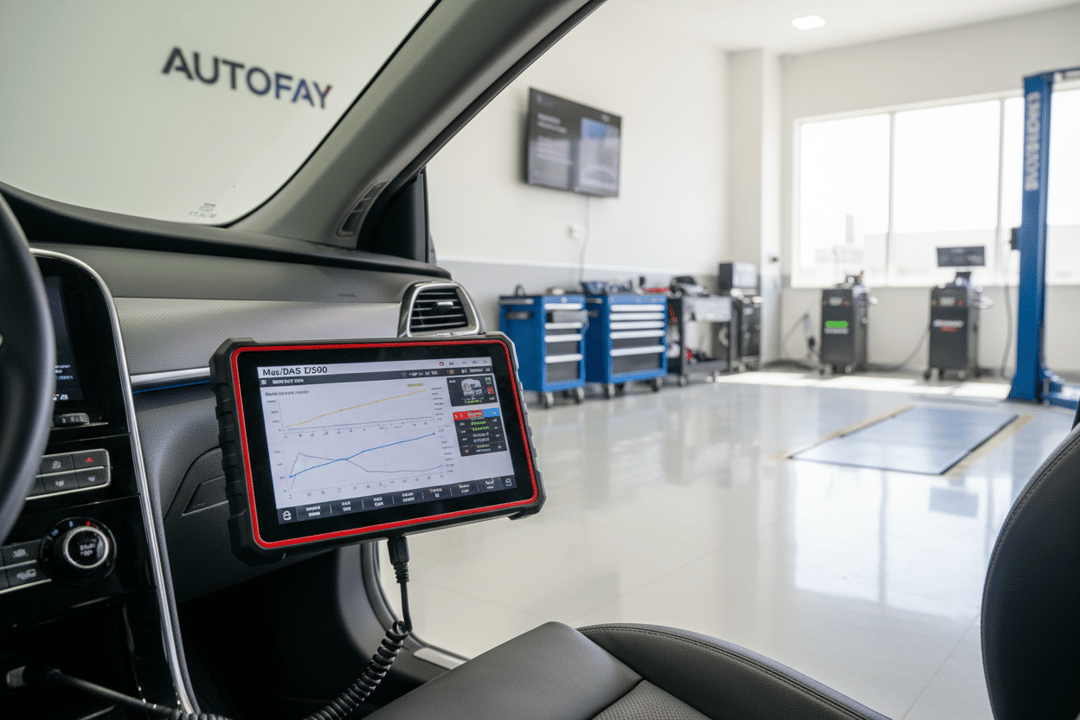
The higher mileage milestone represents a critical juncture in a vehicle's lifecycle, signaling the end of the initial break-in period and the onset of standard maintenance intervals. For drivers in the UAE, who frequently contend with high ambient temperatures, heavy traffic congestion, and abrasive desert dust, reaching this mileage demands a rigorous assessment of mechanical health. Skipping this checkpoint can lead to accelerated component wear, reduced fuel efficiency, and compromised safety, as the initial factory settings are no longer sufficient to manage the increased stress on internal parts.
Engine Health and Fluid Dynamics
The engine acts as the vehicle's heart, but its performance relies entirely on the fluid systems that lubricate and cool its internal components. at higher mileage, engine oil begins to degrade due to the intense thermal cycles experienced in the UAE climate, losing its ability to protect against metal-on-metal friction. Sludge and contaminants accumulate rapidly in the sump, potentially leading to catastrophic engine failure if not addressed. Coolant levels must also be verified to prevent overheating, which is a primary cause of engine shutdown during peak summer months.
Transmission fluid is another essential fluid that requires inspection at this distance. Synthetic transmission fluids begin to break down under high loads, losing their viscosity and their ability to transfer thermal energy effectively. Neglecting transmission fluid changes can result in rough shifting, delayed engagement, and eventual transmission failure, which is significantly more expensive to repair than a routine fluid service.
- Engine oil change and filter replacement
- Coolant level and corrosion inspection
- Transmission fluid condition check
- Power steering fluid analysis
Braking System and Safety Components
Brakes are the only system that directly interacts with the road surface to slow or stop the vehicle, making their condition non-negotiable for safe operation. at higher mileage, brake pads typically begin to show thickness reduction, and the brake fluid absorbs moisture from the atmosphere, which lowers its boiling point and reduces stopping power. Ignoring worn brake pads causes damage to the rotors, turning a simple pad replacement into a costly disc resurfacing or replacement job.
A professional inspection evaluates the pad thickness percentage and fluid condition to ensure the vehicle responds predictably in emergency situations. The brake lines and hoses must also be checked for cracks or leaks, as hydraulic failure can result in total brake loss. Any unusual noise during braking, such as grinding or squealing, indicates material has worn through to the metal and requires immediate attention.
- Brake pad thickness measurement
- Brake rotor condition assessment
- Brake fluid moisture content test
- Brake line and hose integrity check
Tires and Suspension Integrity
Tires are the sole point of contact between the car and the road surface, and their condition dictates handling, traction, and fuel economy. At this mileage, tires may have developed uneven wear patterns due to alignment issues or suspension fatigue, leading to a bumpy ride and faster tread degradation. Proper inflation is crucial because under-inflated tires generate excessive heat, increasing the risk of a blowout, while over-inflation reduces the contact patch, compromising grip.
Suspension components, including shocks and struts, dampen road vibrations to protect the chassis and passengers. Over time, these components wear out, causing the vehicle to "bounce" after hitting bumps and steering to feel vague. A visual inspection checks for leaks in the suspension seals and loose mounting bolts, which can lead to expensive steering alignment issues if left unattended.
- Tire pressure and manufacturing date verification
- Tread depth and wear pattern analysis
- Suspension shock absorber condition
- Steering linkage and ball joint inspection
Electrical Systems and Diagnostics
Modern vehicles operate on complex networks of sensors and computers that require constant monitoring to function correctly. The On-Board Diagnostics (OBD) system continuously scans for errors in the engine, transmission, ABS, and airbag modules. Even if the dashboard warning lights are off, minor faults can accumulate over time, such as oxygen sensor errors or catalytic converter inefficiencies, which lower fuel economy and increase emissions.
Running a computer diagnostic scan is essential to identify these hidden issues before they escalate into major mechanical failures. A scan reveals specific diagnostic trouble codes (DTCs) that point to the root cause of a problem, allowing for targeted repairs rather than guesswork. This step is vital for maintaining the vehicle's reliability, especially during long-distance travel across the Emirates.
The Value of a Professional Road Test
Visual inspections provide a snapshot of the vehicle's condition, but a professional road test reveals how all systems interact under real-world driving conditions. This dynamic evaluation checks acceleration performance, braking stability, and noise levels while the car is moving. Vibration in the steering wheel or seat often indicates wheel balance issues or axle problems that are invisible during a static inspection.
The road test also validates the repair work of previous maintenance or identifies issues that only appear under load. Professional inspectors listen for abnormal engine noises, such as ticking or knocking, and feel for transmission hesitation. This hands-on approach ensures that the vehicle is not only safe but also performs as the manufacturer intended.
Choosing the Right Inspection Service
Professional vehicle inspections provide a detailed roadmap of the car's current state, identifying issues that the untrained eye cannot see. Depending on the specific needs of the driver, different levels of scrutiny are available to suit various budgets and requirements. Selecting the appropriate package ensures that the right level of detail is applied to the inspection, covering critical areas without unnecessary expense.
| Inspection Package | Price (AED) | Scope of Inspection |
|---|---|---|
| Computer Diagnostic | 99 | Engine, transmission, ABS, and airbag fault code scanning. |
| Body & Computer | 250 | Panel-by-panel body check, computer diagnostics, and key categories. |
| Comprehensive | 399 | 410+ checkpoints across 25 categories including frame, suspension, and fluids. |
Body and Undercarriage Assessment
The UAE road infrastructure presents unique challenges, including potholes, speed bumps, and debris, which can impact the vehicle's structural integrity over time. A thorough inspection examines the body panels for original paint versus repairs, looking for signs of accident damage that might affect safety features like crumple zones. The undercarriage is scanned for rust, frame damage, or corrosion, which are common issues in coastal areas or due to road salt exposure.
Professional inspection services document these findings with high-definition photos and generate a detailed PDF report. This documentation serves as a crucial record for warranty claims, resale negotiations, or insurance purposes. Ensuring the vehicle's body and frame are in good condition prevents structural issues that could compromise the safety of the occupants in the event of a collision.
AutoFay inspects 410+ checkpoints with HD photos and PDF report. Book at autofay.ae or call +971542584458




0 Comments
No comments yet. Be the first to share your thoughts!