
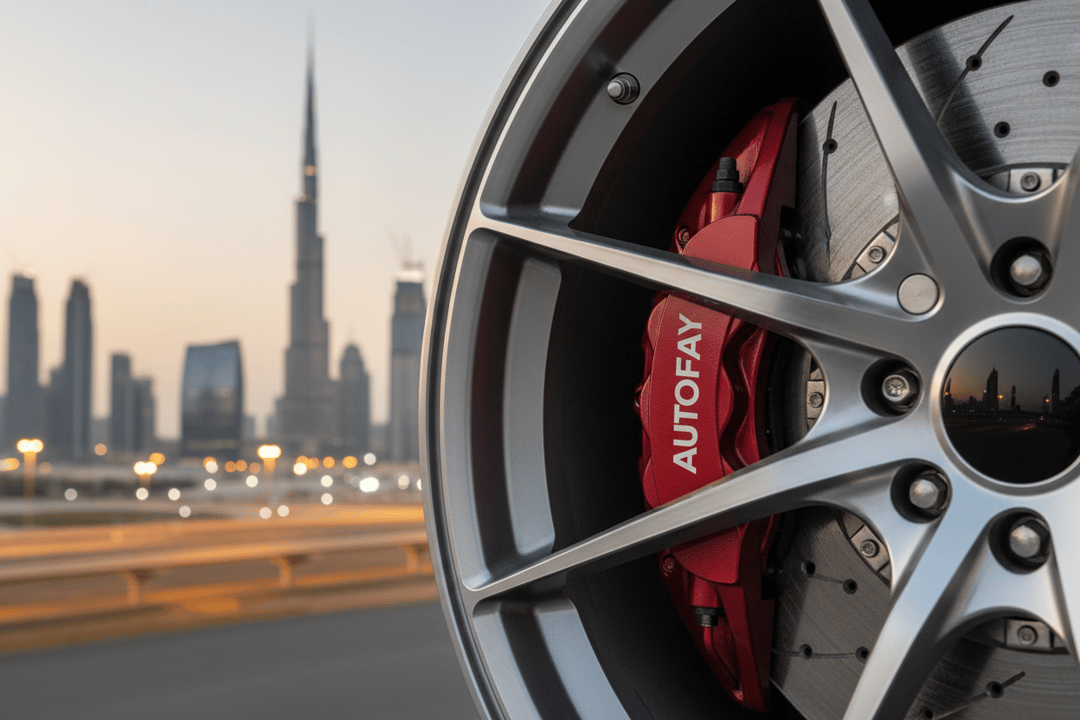
Operating heavy machinery in the unforgiving climate of the United Arab Emirates demands pristine mechanical reliability to ensure safety. The braking system remains the primary defense against accidents, relying on brake fluid to transfer hydraulic pressure from the pedal to the calipers. However, this fluid is not a static component; it is a chemical substance subject to rapid degradation under extreme heat and humidity. Understanding the properties of brake fluid is essential for vehicle inspection and maintenance, particularly in a region where under-hood temperatures routinely exceed 100 degrees Celsius. A compromised hydraulic system turns the vehicle's safety net into a liability.
The Enemy Within: Moisture Absorption
Brake fluid is hygroscopic, meaning it actively attracts water molecules from the atmosphere through microscopic pores in hoses and seals. This absorption process is constant and relentless, regardless of whether the vehicle is in daily use or stored for long periods. Once water enters the brake fluid, it lowers the fluid’s boiling point, creating a dangerous scenario during high-stress driving. Water vaporizes into steam when the brake system overheats, introducing compressibility into a system designed for incompressible fluid. This loss of pressure results in brake fade and spongy pedal response, often occurring without warning.
Understanding DOT Ratings
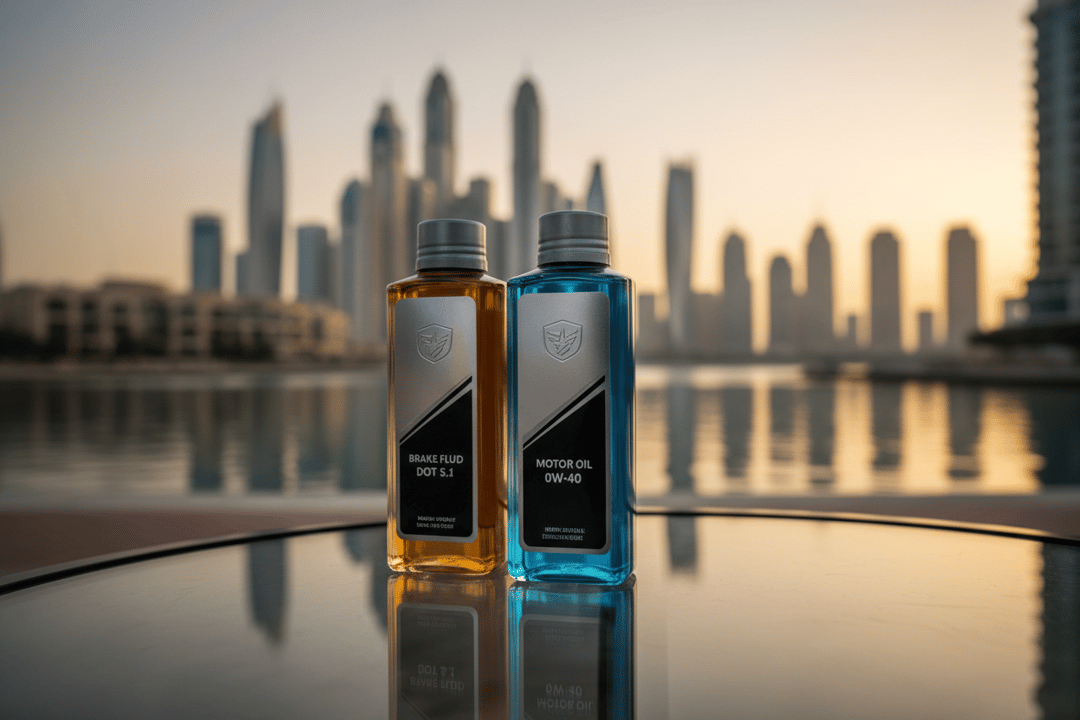
The Department of Transportation (DOT) establishes minimum performance standards for brake fluids in the United States, a system widely adopted globally. The rating is indicated on the fluid container, with common grades found in UAE vehicles being DOT 3, DOT 4, and DOT 5.1. Each rating denotes a specific minimum dry and wet boiling point, which corresponds to the fluid's performance before and after moisture absorption.
DOT 3 fluids typically use glycol ether and borate esters as base stocks. DOT 4 fluids contain the same base stocks but also include borate esters to enhance the fluid's performance properties. DOT 5.1 is a silicone-based fluid that mimics the properties of DOT 4 but is not compatible with DOT 4 fluids or the ABS systems often found in modern UAE vehicles. Using the incorrect type can lead to seal incompatibility and system failure. Inspectors must verify the fluid type matches the vehicle manufacturer's specifications to ensure hydraulic integrity.
Boiling Point Testing and Vapor Lock
Boiling point testing is the most critical metric for evaluating brake fluid health. The "dry" boiling point refers to the fluid's performance when brand new, while the "wet" boiling point reflects the performance after 2 percent water absorption. In the UAE, the ambient heat compounds the thermal load on the brakes. During heavy stops, such as decelerating from highway speeds in Abu Dhabi or Dubai, brake fluid temperatures can spike rapidly. If the fluid's boiling point is reached, vapor lock occurs. Because vapor is compressible, the driver loses the ability to modulate braking force effectively, often resulting in an uncontrolled stop.
The UAE Heat Factor and Consequences
The extreme climatic conditions of the Emirates accelerate the chemical aging of brake fluid. High ambient temperatures increase the rate of moisture ingress and also elevate the baseline temperature of the hydraulic system. A vehicle subjected to stop-and-go traffic in summer will generate significantly more heat in the braking system than the same vehicle in temperate climates. Over time, brake fluid degrades from a clear amber color to a dark brown or black consistency, indicating carbonization and particulate contamination. This degradation leads to corrosion of internal brake lines and caliper pistons, which can cause seizing and uneven brake wear across the vehicle.
- Critical Fluid Levels: Low fluid levels indicate a leak or excessive pad wear, both of which require immediate attention.
- Fluid Consistency: Old fluid becomes viscous and sludge-like, hindering the flow of pressure to the calipers.
- Color Change: A significant shift from amber to dark brown suggests the fluid has absorbed moisture and deteriorated.
Inspection Protocols and Professional Assessment
Relying solely on visual checks is insufficient for a comprehensive evaluation of brake fluid health. Professional inspection involves testing the fluid's specific gravity or performing a boiling point test to determine its exact fluidity. A experienced inspector evaluates the brake fluid as part of a wider safety audit, ensuring the hydraulic system operates within manufacturer parameters.
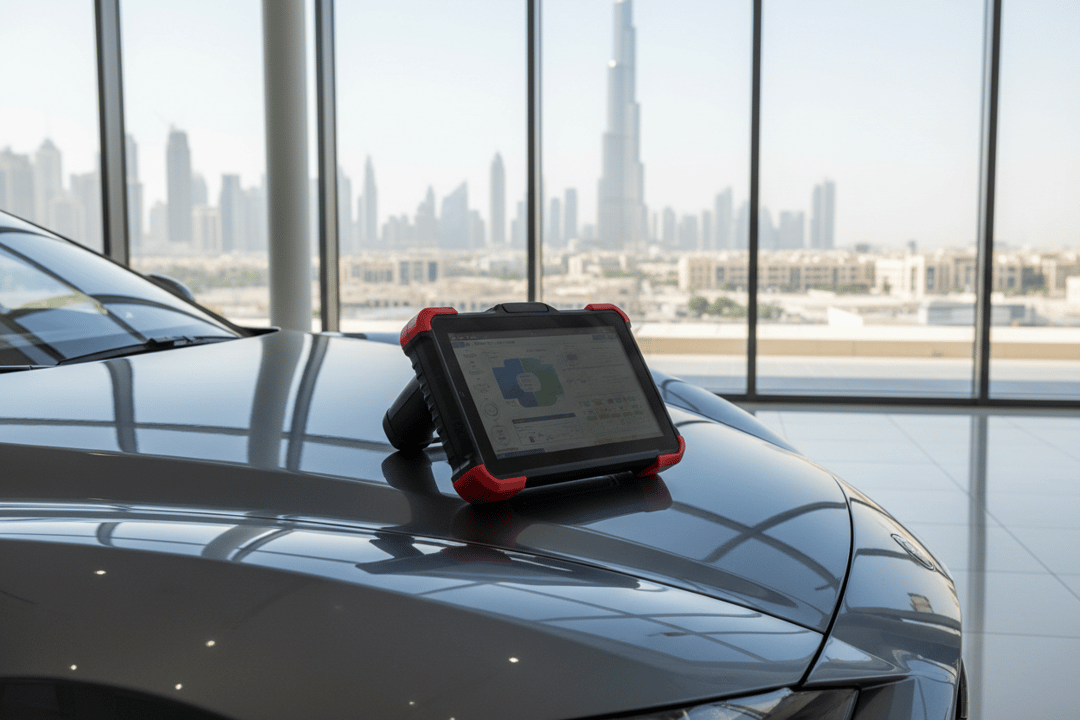
AutoFay provides a rigorous inspection process designed to identify these critical failures before they lead to accidents. The inspection covers 25 categories, including a dedicated focus on fluids. Inspectors assess the fluid level and condition, verifying that it meets the required specifications for the vehicle's make and model. The service includes a panel-by-panel body and paint check, frame integrity assessment, engine sound and smoke analysis, and a comprehensive OBD scan for ABS and airbag codes. This holistic approach ensures that a vehicle's braking system is scrutinized alongside its mechanical and structural components.
| Fluid Grade | Minimum Dry Boiling Point (°C) | Minimum Wet Boiling Point (°C) | Best Suited For |
|---|---|---|---|
| DOT 3 | 205 | 140 | Older vehicles, standard sedans |
| DOT 4 | 230 | 155 | Most modern SUVs, performance cars |
| DOT 5.1 | 265 | 180 | High-performance vehicles, racing |
For vehicle buyers and sellers, ensuring the brake fluid is serviceable is as important as checking the engine compression or tire tread depth. Skipping this step can result in undetected moisture contamination that compromises the entire braking assembly. A vehicle with contaminated fluid will underperform during emergency maneuvers, increasing the risk of collision.
Service Packages and Road Testing
Comprehensive vehicle inspections are vital for maintaining safety standards in the UAE market. AutoFay offers on-location inspection services across all seven Emirates, bringing the inspection directly to the vehicle's location. The service includes a thorough road test to evaluate acceleration, braking noise, vibration, and overall handling. Technicians verify the percentage rating of brake pads and check tire manufacturing dates to ensure grip is maintained in wet conditions. The inspection culminates in a detailed report with HD photos and a PDF summary.
Preventative maintenance is the most cost-effective strategy for vehicle longevity. Addressing brake fluid degradation early prevents the need for expensive repairs to corroded calipers or master cylinders. Automotive professionals recommend changing brake fluid every two years or 30,000 kilometers, regardless of visual appearance, due to the unavoidable process of moisture absorption.
AutoFay inspects 410+ checkpoints with HD photos and PDF report. Book at autofay.ae or call +971542584458


0 Comments
No comments yet. Be the first to share your thoughts!