

BMW vehicles in the UAE are engineered for precision performance, but the region's extreme temperatures and dusty environment impose specific stresses on these machines. Understanding the nuances of the manufacturer's warranty, the costs associated with its expiration, and the value of a professional pre-purchase inspection is essential for owners and prospective buyers. Warranty coverage provides a safety net for major component failures, yet it frequently excludes the wear-and-tear items that accumulate most rapidly in the UAE market. When the factory warranty expires, the financial burden of repairs shifts entirely to the vehicle owner, often involving significant capital expenditure for high-value components.
What is Covered under the Standard Factory Warranty
Standard BMW factory warranties in the UAE typically cover the vehicle for three years or 100,000 kilometers, whichever comes first. This coverage is designed to protect against manufacturing defects in the drivetrain, including the engine, transmission, and propshaft. The warranty also extends to major electrical components, such as the Body Control Module, DME (Digital Motor Electronics), and the infotainment system, ensuring that complex electronics function as intended.
Owners should verify that the warranty remains active upon purchase, as the odometer reading resets upon transfer of ownership. The manufacturer's guarantee ensures that parts replaced under warranty are genuine BMW components, maintaining the vehicle's integrity and resale value. However, factory warranties are strict regarding the conditions under which claims are accepted, often requiring proof of maintenance at authorized service centers.
Critical Exclusions and Wear-and-Tear Items
While the factory warranty covers major systems, it explicitly excludes consumables and items subject to normal degradation. These exclusions often catch vehicle owners off guard when they discover that routine maintenance is not included. Understanding these limitations allows owners to budget for future expenses and avoid disputes during warranty claims.
- Fluids and Lubricants: Engine oil, transmission fluid, coolant, and brake fluid are not covered. Contaminated fluids often indicate underlying mechanical issues that occur outside the warranty period.
- Tires and Wheels: Damage from road hazards, uneven wear, or punctures is the responsibility of the owner. Tires are considered part of the suspension system's interaction with the road surface.
- Brake Pads and Rotors: Wear and tear on friction materials is a normal maintenance item. The warranty covers the brake system mechanism but does not cover the replacement of pads or discs.
- Filters: Air filters, cabin filters, and fuel filters require regular replacement and are not covered.
- Misuse and Modifications: Modifications to the ECU software, suspension components, or bodywork that deviate from factory specifications will void the warranty immediately.
The Financial Risks of Warranty Expiry
The expiration of a warranty transforms the vehicle from a cost-regulated asset into a high-risk liability. In the UAE market, rapid acceleration and heavy use are common, placing immense strain on turbochargers, high-pressure fuel pumps, and the cooling system. A single failure in these areas can result in replacement costs that far exceed the value of a vehicle with high mileage.
For example, the failure of a high-pressure fuel pump in a BMW N54 or B58 engine can render the vehicle undriveable and require specialized labor. Similarly, cooling system failures due to overheating can warp cylinder heads, leading to engine replacement. Without warranty coverage, these repairs require significant out-of-pocket expenses that can exceed the value of the vehicle, effectively rendering the asset a financial liability.
The Importance of Pre-Purchase Inspection Before Warranty Expiry
Buying a used BMW with residual warranty is a strategic financial move, but it requires due diligence to ensure the vehicle is mechanically sound. A pre-purchase inspection is critical before the warranty expires because it identifies latent defects that may not be immediately apparent but could void the remaining coverage or lead to immediate failure. A professional inspector evaluates the vehicle's condition to ensure that the remaining warranty is not compromised by pre-existing damage or neglect.
Inspections should focus on the structural integrity of the vehicle, as frame damage or accident history can compromise the safety and long-term reliability of the car. Furthermore, verifying the vehicle's mileage history ensures that the warranty coverage is valid and has not been bypassed through mileage manipulation.
Utilizing Professional Inspection Services in the UAE
Engaging a certified on-location inspection service is the most efficient way to assess a vehicle before purchase. These services provide comprehensive reports that document the vehicle's condition across 25 distinct categories covering every major system in the car. A professional inspection moves beyond a casual visual check and utilizes specialized tools and methodologies to uncover hidden issues.
On-location inspection services operate across all seven Emirates, bringing the inspection equipment directly to the buyer or seller. This convenience ensures that the inspection can be conducted in a controlled environment rather than a noisy showroom. The report generated provides a factual record of the vehicle's condition, serving as a tool for negotiation or confirming the vehicle's eligibility for warranty transfer.
AutoFay Inspection Packages and Methodology
A professional inspection must cover specific technical areas to be effective for BMW vehicles. A thorough evaluation includes a panel-by-panel assessment of the body and paint to identify accident damage or poor-quality repairs, which can affect the structural chassis. The inspection also scrutinizes the engine bay for signs of oil leaks, smoke, or unusual sounds that indicate internal wear.
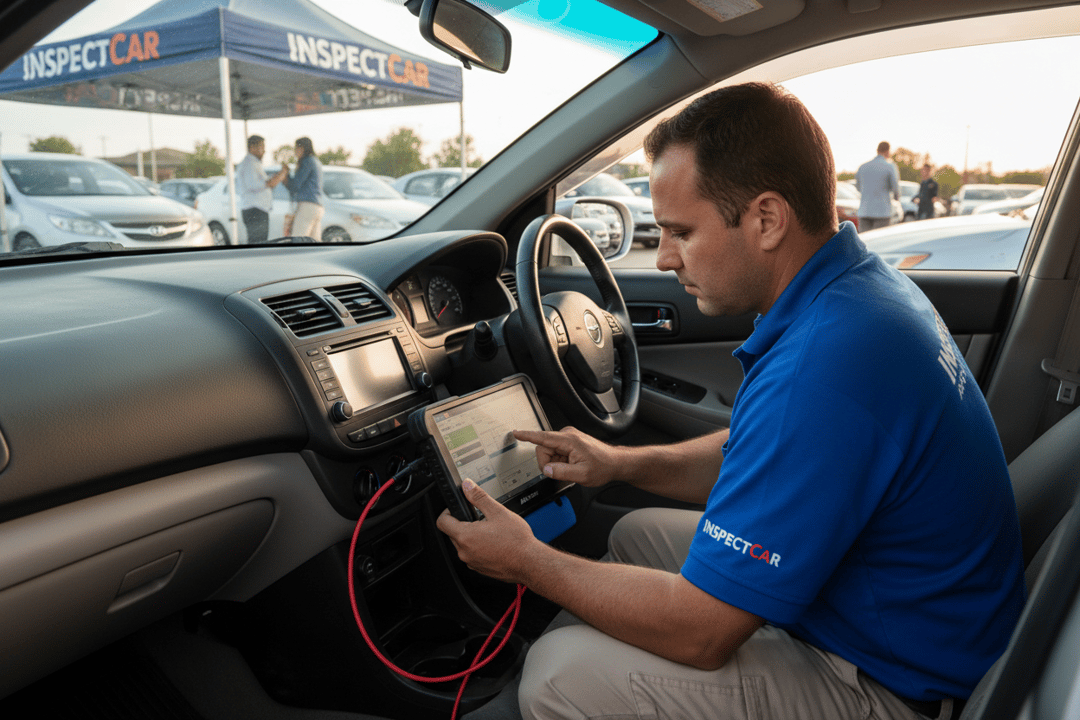
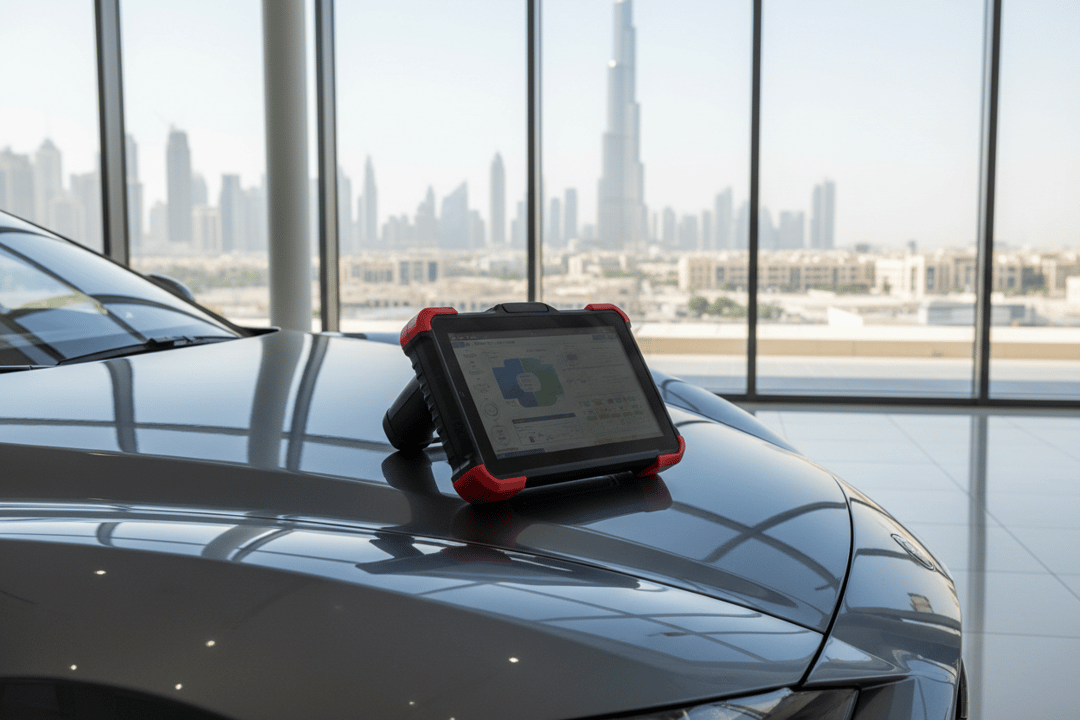
Technicians utilize On-Board Diagnostics (OBD) scanners to read error codes from the engine, transmission, ABS, and airbag systems. This step is vital for identifying electronic faults that may not be visible but can cause the vehicle to fail roadworthiness tests or emissions checks. The road test evaluates acceleration, braking performance, and unusual noises or vibrations to ensure the vehicle drives as expected.
The inspection includes a detailed analysis of the suspension system, tires, and fluid levels. The condition of fluids, such as engine oil and coolant, provides a window into the internal health of the engine and cooling system. Tires are checked for manufacturing dates to ensure they are not aged rubber, which can crack in the UAE heat. Finally, the chassis and frame are inspected for structural integrity, ensuring that the vehicle has not been involved in accidents that could compromise its safety.
| Inspection Package | Price (AED) | Key Components Covered |
|---|---|---|
| Computer Diagnostic | 99 | OBD scan (Engine, Transmission, ABS, Airbag codes), visual check of warning lights. |
| Body & Computer | 250 | Panel-by-panel paint and body assessment, OBD scan, structural integrity of door seals and glass. |
| Comprehensive | 399 | Full 410+ checkpoints including Frame, Engine, Suspension, Tires, Fluids, and Road Test. |
AutoFay inspects 410+ checkpoints with HD photos and PDF report. Book at autofay.ae or call +971542584458
0 Comments
No comments yet. Be the first to share your thoughts!