
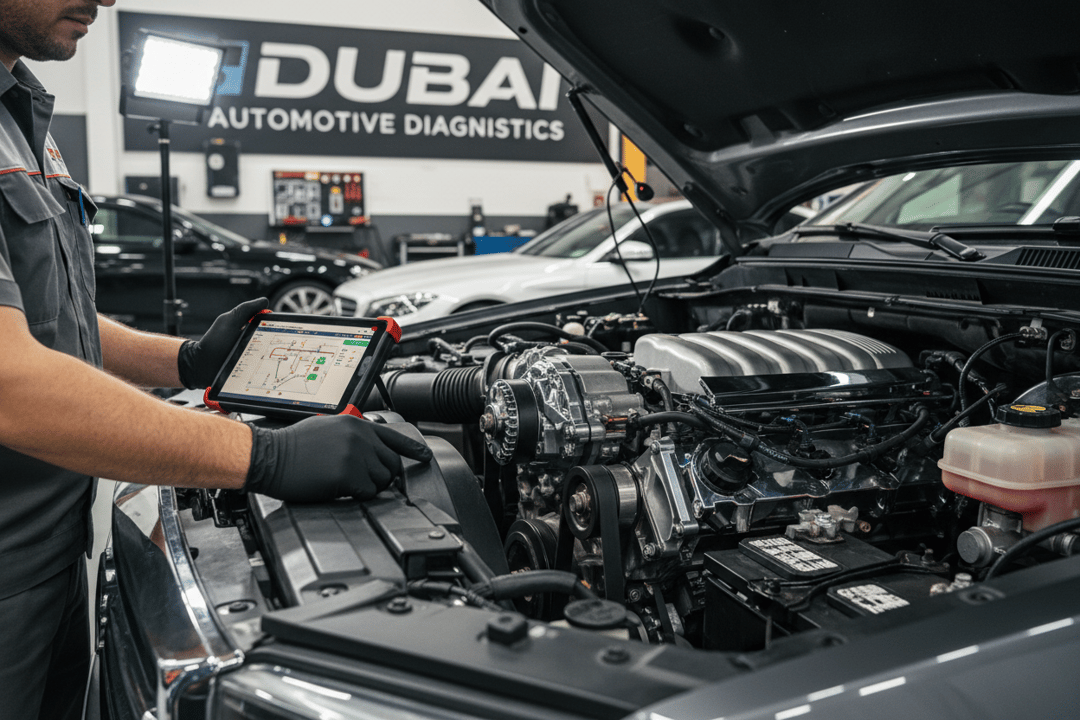
Pickup trucks in the UAE operate under extreme thermal stress and heavy load requirements. The reliability of these workhorses depends on the condition of the internal components, specifically the engine, belts, and electrical systems. A vehicle inspection must go beyond the bodywork to ensure the powertrain can withstand daily demands. This article details the critical under-the-hood checks for Engine Air Filters, Drive Belts, and Batteries, explaining the technical implications for used vehicle buyers.
Engine Air Filter Inspection: The Breath of the Engine
The engine air filter is the primary defense against dust, sand, and particulate matter entering the combustion chamber. In the UAE, where desert dust storms are frequent, this component is subjected to intense filtration loads. A clogged air filter restricts airflow to the engine, forcing the computer to compensate by increasing fuel injection. This results in a rich fuel mixture, which wastes fuel and increases carbon buildup on spark plugs and valves over time.
Inspectors must physically remove the air filter element to assess its condition accurately. Do not rely solely on the housing cover. Hold the filter element up to a light source; if light cannot pass through, the filter is saturated and needs replacement. Additionally, check for oil saturation on the filter media. Oil contamination on the filter usually indicates a problem with the Positive Crankcase Ventilation (PCV) system or a dirty Mass Air Flow (MAF) sensor, both of which can cause performance issues.
Drive Belts: The Heartbeat of Engine Accessories
Drive belts, specifically the serpentine belt, are responsible for transmitting power from the engine to critical accessories. These include the alternator, air conditioning compressor, power steering pump, and water pump. In a pickup truck, the air conditioning is often used constantly to cool the cabin and the load in the bed. If the drive belts fail, the vehicle loses power steering, the engine can overheat due to a non-functioning water pump, and electrical charging ceases.
A visual inspection involves checking the belt for cracks, fraying, or glazing. Glazing occurs when the belt rubber hardens and becomes shiny due to heat and friction. Look for missing chunks of rubber on the ribbed edges, which signal that the belt is ready to snap. The tension of the belt is equally important; a loose belt may slip, causing squealing noises and reduced accessory efficiency, while an overly tight belt can damage the bearings in the alternator or water pump.
- Cracks and Fraying: Inspect the ribbed side of the belt for hairline cracks or chunks missing from the edges. These are signs of material degradation.
- Glazing: A shiny, glass-like appearance on the belt surface indicates heat buildup and slipping.
- Tension Check: Press the belt firmly with your thumb; it should deflect about half an inch. Excessive movement suggests a loose belt.
Battery Health: The Ignition Source
The battery is the heart of the vehicle's electrical system, providing the initial surge required to turn over the starter motor. In older pickup models, batteries are often the most common point of failure. A visual inspection should begin with the battery terminals. Corrosion appears as a white, bluish, or greenish powder around the terminals. This conductive residue prevents electrical current from reaching the starter, resulting in slow cranking or no start conditions.
Inspectors must also check the physical integrity of the battery case. Cracks or bulges in the casing indicate internal short circuits or a swollen battery due to overcharging. Loose clips can cause arcing, which melts the terminals further. A weak battery places unnecessary strain on the alternator once the vehicle is running. If the alternator struggles to recharge a depleted battery, it will fail prematurely, leading to a double repair cost.
The Role of Computer Diagnostics in Under-Hood Inspection
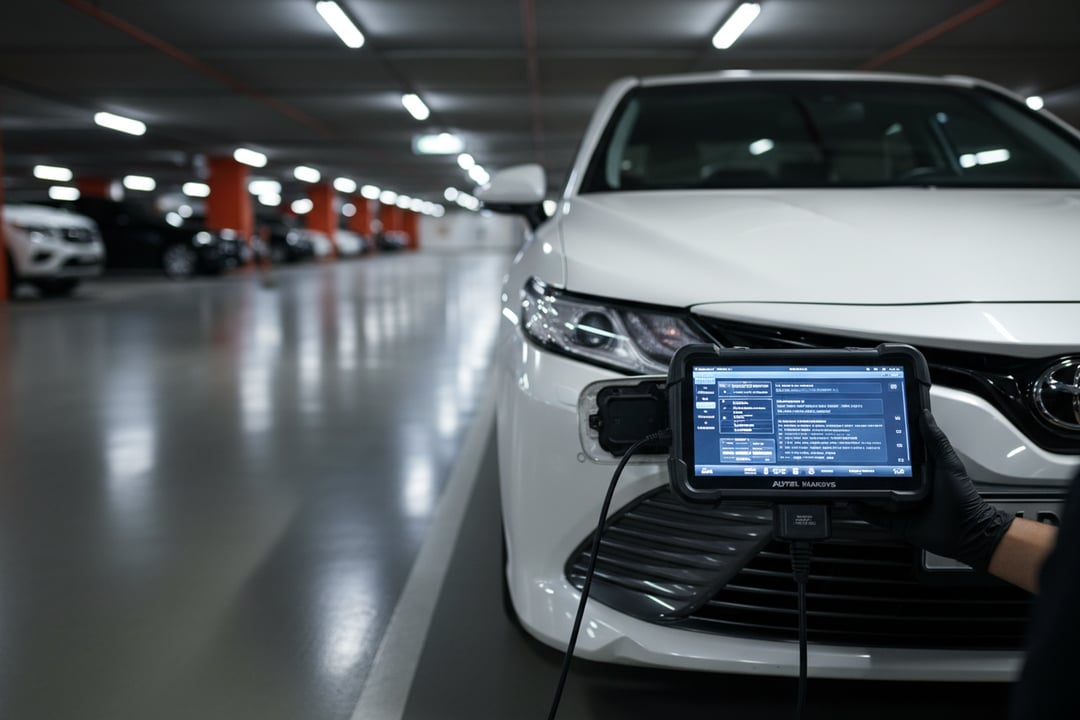
Visual checks are essential but often miss internal electronic faults that affect mechanical components. An OBD (On-Board Diagnostics) scan is a critical step in the inspection process. This diagnostic tool reads fault codes stored in the Engine Control Unit (ECU). Codes related to air intake, fuel trim, or charging systems can reveal why a battery dies quickly or why the air filter is saturated with oil.
For a thorough evaluation of a used pickup, relying on visual cues alone is insufficient. A Computer Diagnostic scan costs AED 99 and identifies hidden issues in the engine, transmission, ABS, and airbag systems. For a complete assessment including body, frame, and road test, the Comprehensive Package at AED 299 provides a detailed report. This service ensures that the vehicle's computer systems are communicating correctly before purchase.
| Component | Failure Indicator | Operational Consequence |
|---|---|---|
| Engine Air Filter | Dark in color, oil-soaked media | Restricted airflow causes poor fuel economy and potential engine misfires. |
| Drive Belts | Cracks on ribbed edges, glazing | Failure results in loss of power steering, AC, and potential engine overheating. |
| Battery Terminals | Corrosion (white/green powder) | Resistant connection prevents engine start or causes sluggish electrical response. |
Understanding these components ensures buyers recognize the true condition of a vehicle. A dirty air filter suggests high mileage or neglect, while worn belts indicate high usage. These are not merely maintenance items but indicators of the vehicle's history. Professional inspection bridges the gap between visual observation and mechanical reality.
AutoFay inspects 410+ checkpoints with HD photos and PDF report. Book at autofay.ae or call +971542584458



0 Comments
No comments yet. Be the first to share your thoughts!