
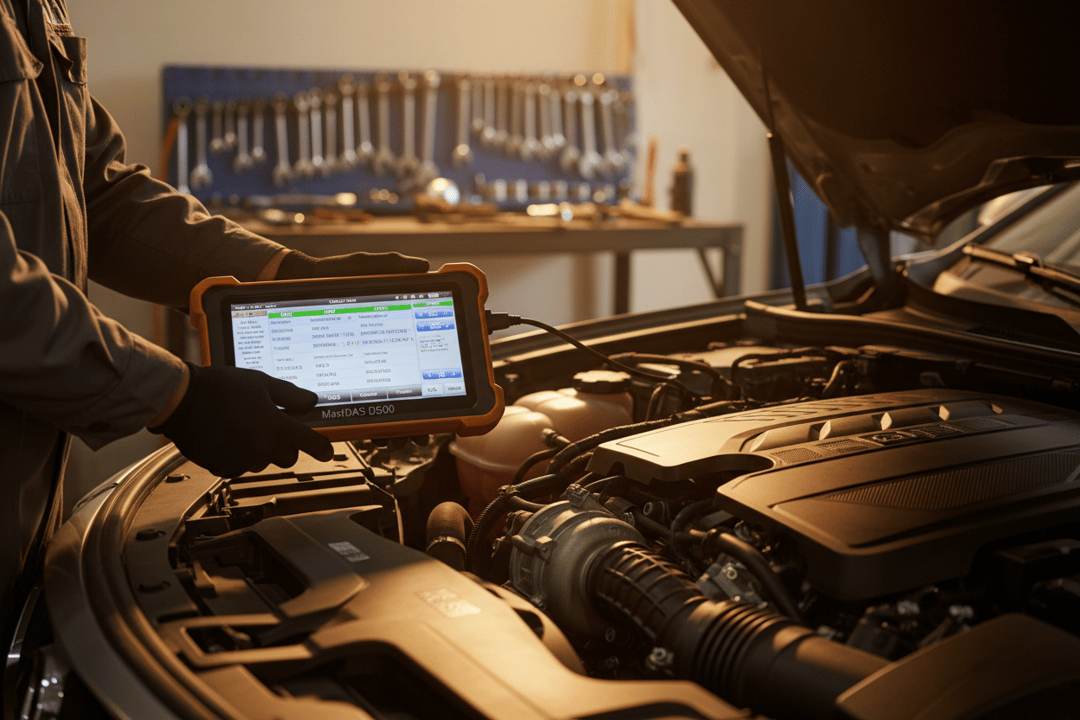
The under-the-hood condition of a pre-owned vehicle often reveals the true story behind its exterior appearance. A vehicle may appear pristine on the surface, yet the engine bay can conceal significant wear and tear that affects long-term reliability. Professional inspection goes beyond a casual glance, requiring a systematic approach to verify the integrity of critical mechanical components. Understanding what inspectors look for empowers buyers to separate cosmetic appeal from mechanical reality.
The Respiratory System: Engine Air Filter Inspection
The engine air filter acts as the vehicle's primary respiratory system, preventing dust, dirt, and debris from entering the combustion chamber. When an inspector examines this component, they are assessing the cleanliness and the efficiency of the filtration process. A heavily soiled filter indicates that the vehicle has been driven in harsh environments or neglected maintenance schedules.
Restricted airflow caused by a clogged air filter forces the engine to work harder to draw in oxygen. This inefficiency directly impacts fuel economy and can lead to increased carbon buildup within the combustion chambers over time. In severe cases, a completely blocked filter may cause the engine to run poorly or fail to start. The inspection report notes the filter's condition to help buyers understand the potential load placed on the engine’s intake system.
The Power Transmission: Drive Belts Analysis
Drive belts are critical components that transfer power from the engine to various accessories, including the alternator, power steering pump, air conditioning compressor, and water pump. Inspectors visually examine these belts for signs of cracking, glazing, fraying, or glazing, which indicates excessive heat and friction. The tension of the belt is also evaluated to ensure it is neither too loose nor too tight.
- Serpentine Belt Failure: A worn serpentine belt can snap, causing the loss of power steering, air conditioning, and battery charging simultaneously.
- Timing Belt Risks: While often separate, the inspection context includes checking for signs of timing belt deterioration, which, if missed, could lead to catastrophic engine internal damage.
A failing belt does not always produce loud noises immediately, making visual inspection essential. The presence of oil or coolant on the belt surface suggests a leak in a nearby component, which must be addressed before the belt fails.
The Electrical Heartbeat: Battery Assessment
The battery is the heart of the vehicle's electrical system, providing the necessary cranking power to start the engine and maintaining voltage for electronic modules. Inspectors check the battery casing for physical damage, such as cracks or bulges, which indicate internal cell failure and potential leakage. The condition of the battery terminals and cable clamps is also scrutinized for corrosion, which can impede electrical flow.
Corroded terminals often manifest as a white or bluish-green powdery substance. This buildup increases resistance, leading to slow engine cranking or intermittent electrical glitches in the dashboard. A battery nearing the end of its life may require replacement shortly after purchase, adding unexpected costs to the ownership equation. The inspection process confirms the battery's overall health to prevent future starting failures.
The Ignition Mechanism: Starter Motor Evaluation
The starter motor is responsible for engaging the flywheel to turn the engine over during ignition. Inspectors rely on the Road Test component of the inspection to listen for specific sounds during startup. A healthy starter engages smoothly and turns the engine rapidly. Conversely, a failing starter often produces a "clicking" sound, a grinding noise, or silent operation.
- Weak Solenoid: A clicking sound usually indicates a failing solenoid, which may need replacement to restore engine starting capability.
- Grinding Gears: Grinding noises point to worn gear teeth on the starter pinion or the flywheel, which requires complex and expensive mechanical repair.
Electrical voltage drops can also cause the starter to malfunction intermittently. Identifying a potential starter issue during the inspection prevents the inconvenience of being stranded with a non-starting vehicle.
The Value of Professional Inspection Packages
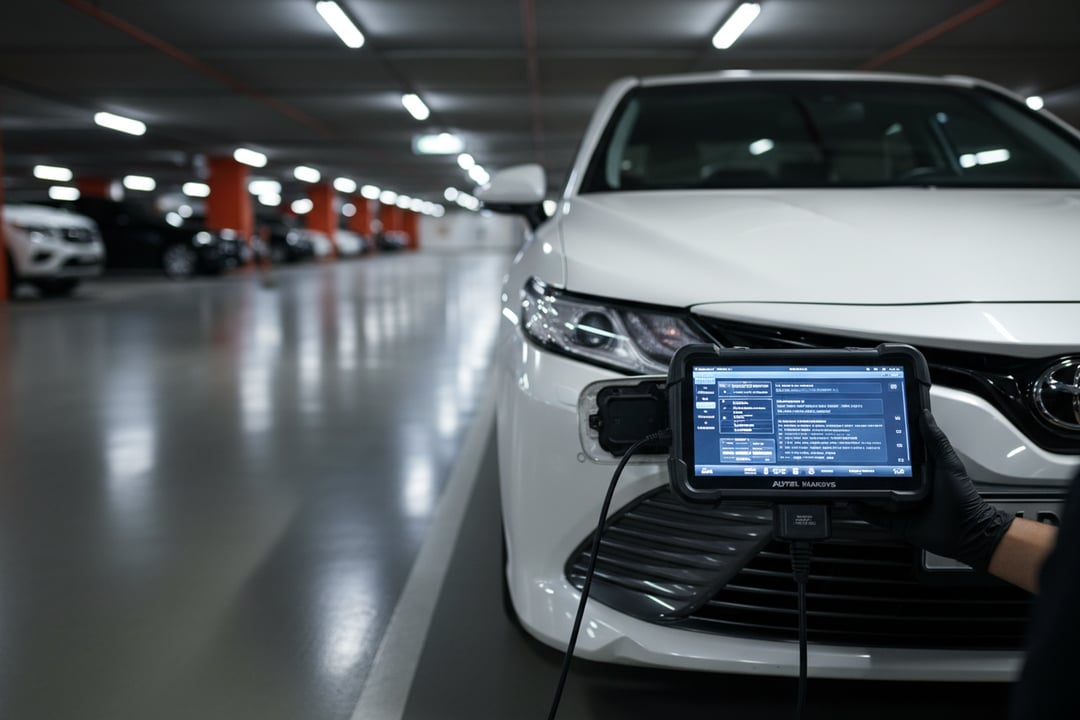
While examining specific parts like the air filter, belts, battery, and starter is vital, these components are part of a larger network of systems that must function in harmony. Relying on a visual check alone is insufficient; comprehensive data is required to make a sound purchasing decision. Professional services utilize advanced technology and a structured checklist to validate the vehicle's condition.
Automotive inspection companies provide various packages tailored to different needs, ensuring buyers receive the appropriate level of detail. The following table outlines the core offerings available, detailing how they cover the engine, body, and electronics.
| Package | Price (AED) | Key Inclusions & Scope |
|---|---|---|
| Computer Diagnostic | 99 | Scans engine, transmission, ABS, and airbag modules for error codes. |
| Body & Computer | 250 | Includes panel-by-panel paint analysis, frame integrity check, and engine diagnostic scan. |
| Comprehensive | 399 | Full inspection covering all 25 categories, including brakes, suspension, tires, fluids, and a 5-point road test. |
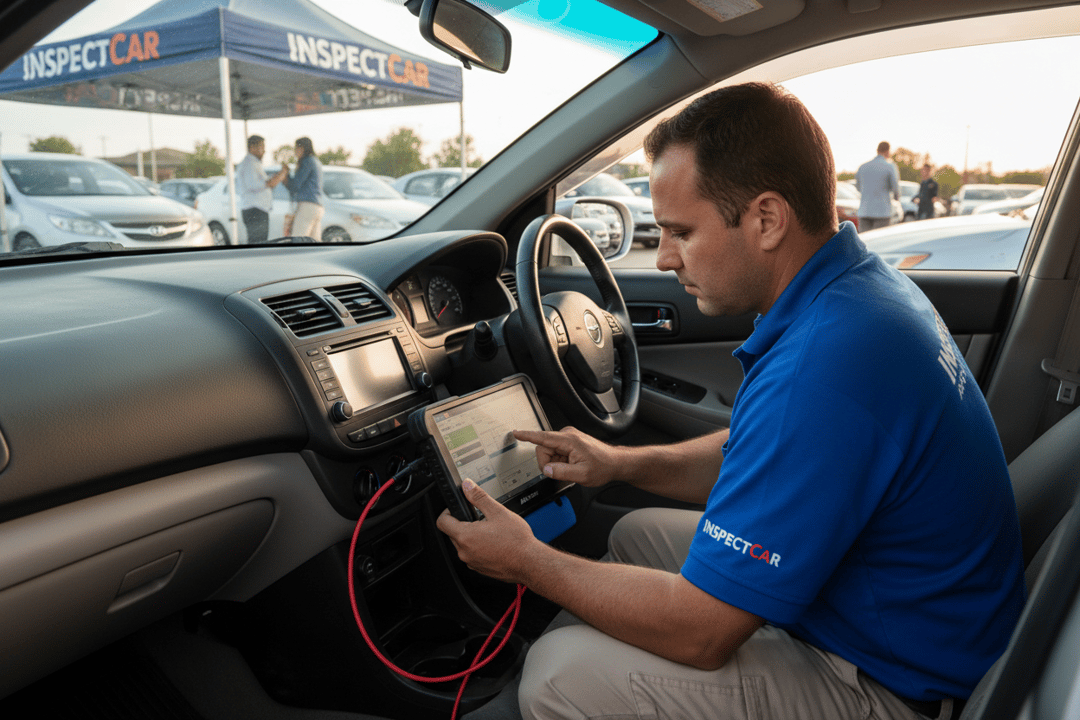
These packages are designed to provide transparency regarding the vehicle's history and current state. By integrating a Computer Diagnostic scan with a physical inspection, inspectors can correlate error codes found in the OBD system with physical observations in the engine bay.
The comprehensive approach ensures that no single issue is overlooked. Whether it is the condition of the fluids, the wear rating of the suspension components, or the manufacturing year of the tires, the report aggregates these details into a single, actionable document. This documentation provides the factual basis required to negotiate a fair price and avoid a lemon.
AutoFay inspects 410+ checkpoints with HD photos and PDF report. Book at autofay.ae or call +971542584458


0 Comments
No comments yet. Be the first to share your thoughts!