
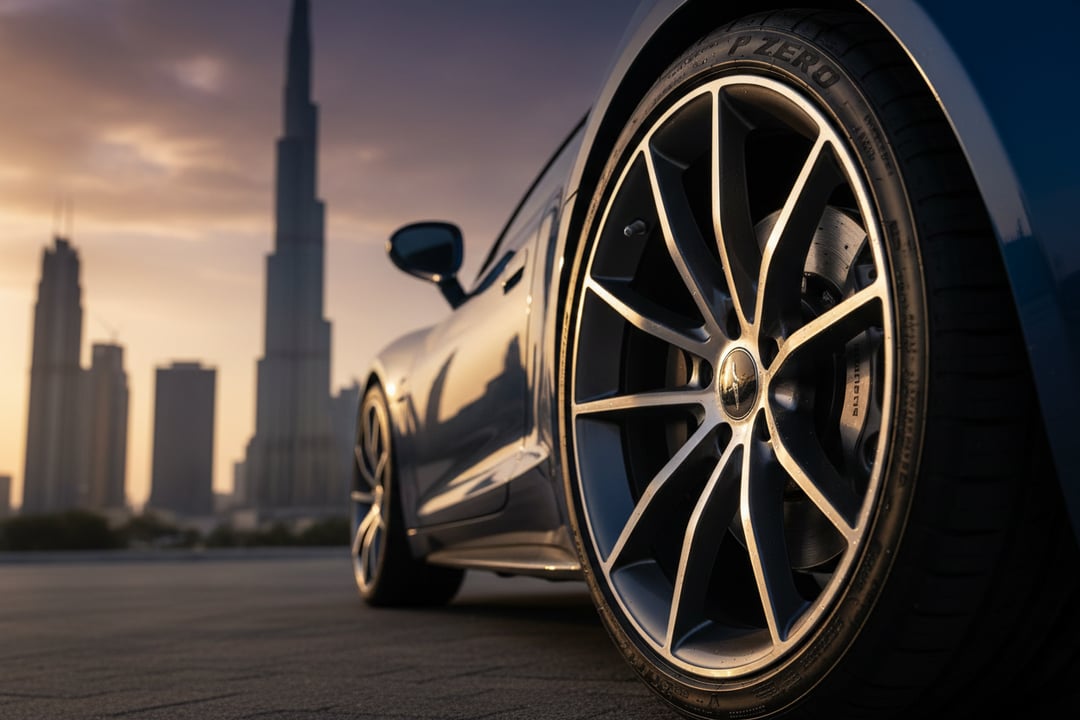
Purchasing a pre-owned luxury vehicle in the UAE requires a rigorous approach to vehicle valuation that goes beyond engine performance and interior finish. The tires and wheels are the only component that physically connects the vehicle to the road surface, making their condition a primary indicator of overall vehicle safety and maintenance history. Luxury vehicles often feature specialized rubber compounds and low-profile designs that prioritize handling and aesthetics, meaning their wear characteristics differ significantly from standard passenger cars. A thorough inspection reveals whether the vehicle has been used for spirited driving or if it has sat idle in storage, both of which leave distinct marks on the tires.
The Critical Importance of Tire Integrity in High-Performance Vehicles
Luxury vehicles are engineered with advanced suspension systems and precise steering calibration that demand optimal contact patch integrity from the tires. When tires degrade, the driver loses the ability to transfer braking force and steering inputs effectively, leading to extended stopping distances and compromised cornering stability. In the context of the UAE's high-speed highways and desert terrain, this lack of traction can transform from a minor inconvenience into a critical safety hazard. Inspectors must verify that the tires match the vehicle’s original specifications for load index and speed rating, as mismatched components can lead to significant failure under load.
Assessing Tire Condition: Cosmetic vs. Structural Damage
A professional inspection separates cosmetic wear from structural fatigue, which is vital for determining the remaining usable life of the tires. The visual assessment focuses on the sidewalls, which are most susceptible to environmental damage in the region's intense heat and UV radiation. Sidewall cracking suggests the rubber has lost its elasticity and is prone to blowouts, particularly at highway speeds. Additionally, inspectors look for bulges or bubbles on the tread or sidewall, as these indicate internal cord separation that renders the tire unsafe for continued use.
- Cracks and Cuts: Deep fissures in the rubber allow moisture ingress, accelerating the degradation of the steel belts.
- Bulges and Blisters: These are signs of separation between the rubber casing and the internal reinforcement layers.
- Uneven Tread Wear: Indicates misalignment or suspension issues that often accompany luxury vehicle ownership.
Decoding Manufacturing Dates: The Age Factor
Rubber degrades over time regardless of mileage, making the manufacturing date a more critical metric than tread depth for safety. The Tire Identification Number (TIN) found on the sidewall contains a four-digit code that indicates the week and year the tire was produced. A tire that is six years old or older poses a significant risk, as the rubber compounds begin to harden and crack even with minimal use. Replacing tires based strictly on mileage without considering age can result in purchasing a set of tires that are essentially "new old stock" and unsafe for the road.
Tread Depth Standards for Luxury Rim Fitments
Tread depth directly correlates with a vehicle's ability to displace water, a critical factor during the UAE’s sporadic rainstorms. While the legal minimum tread depth is 1.6 millimeters, luxury vehicles often require a higher threshold to maintain the performance characteristics for which they were engineered. Inspectors measure tread depth using specialized gauges to ensure it meets the manufacturer's recommendations for wet grip and braking efficiency. Low tread depth increases the likelihood of hydroplaning, especially on the wet asphalt found on major highways like Sheikh Zayed Road.
| Tread Depth Classification | Usability Assessment | Risk Factor |
|---|---|---|
| 8mm+ (New) | Optimal performance and wet traction. | Negligible risk. |
| 3mm - 6mm | Acceptable range for general driving. | Reduced braking distance in wet conditions. |
| 1.6mm (Legal Limit) | Minimum legal requirement. | Significant risk of hydroplaning; tire failure imminent. |
The AutoFay Inspection Protocol for Wheels
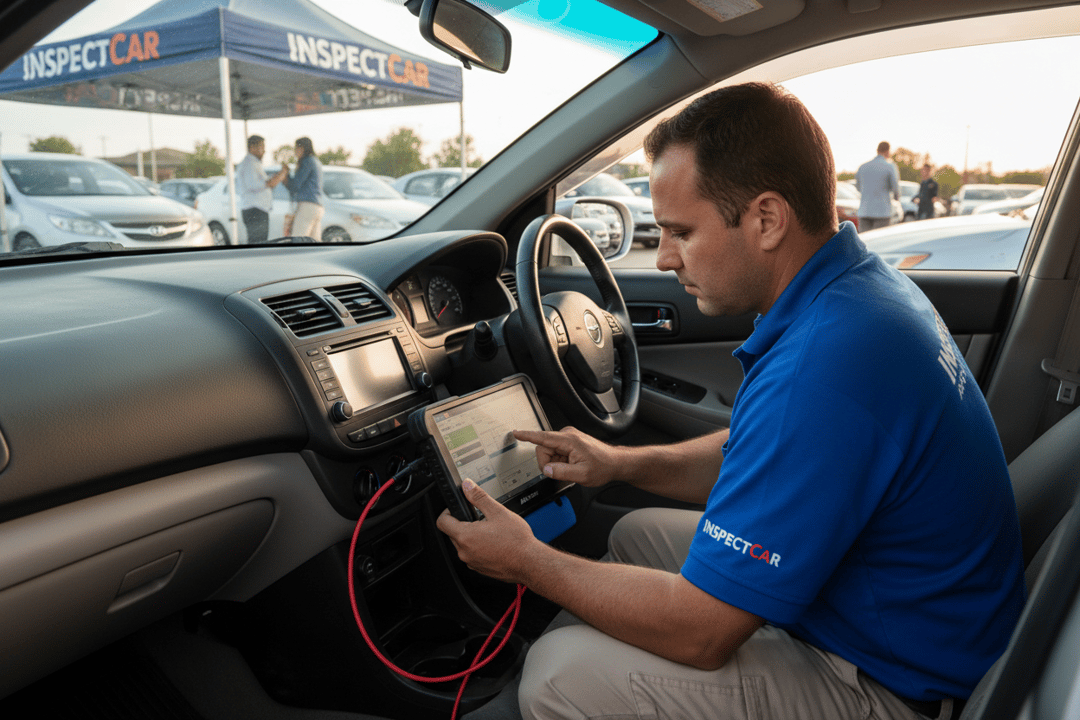
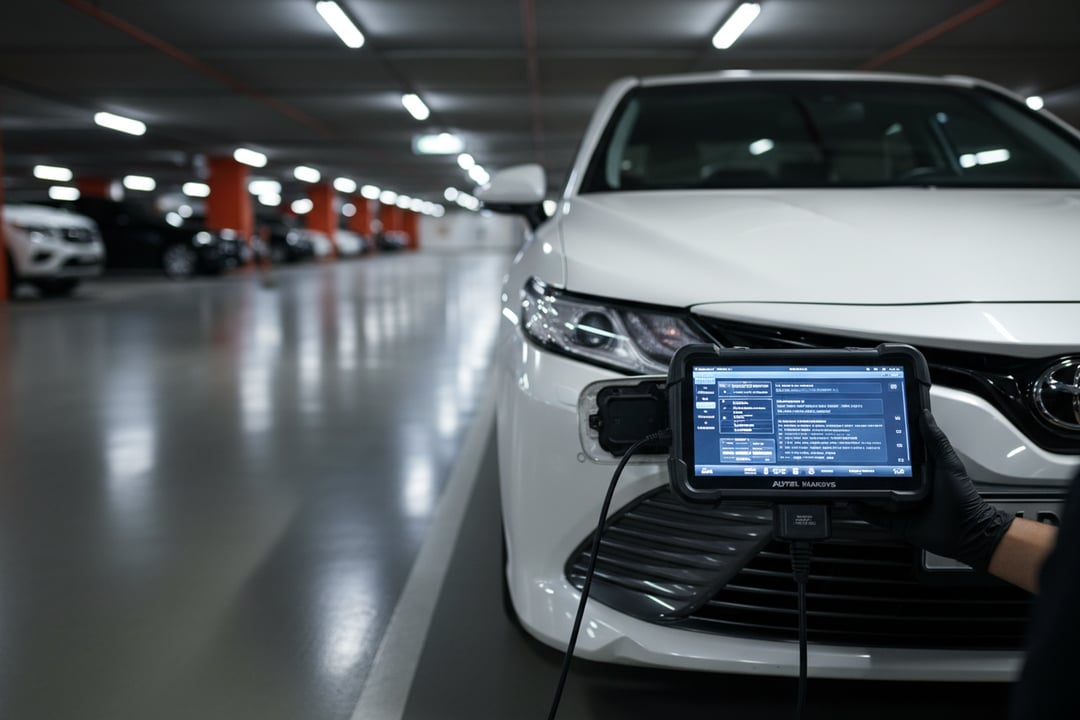
A comprehensive vehicle inspection must integrate tire evaluation into the broader mechanical assessment to ensure a holistic understanding of the vehicle's history. The AutoFay inspection process includes a detailed visual check of the wheels for curb rash, bends, and corrosion, particularly on alloy wheels which are prone to damage in urban environments. Inspectors also perform a road test to identify vibrations or noises that indicate wheel imbalance or tire defects that are not visible to the naked eye. This rigorous process ensures that potential buyers are not burdened with the hidden costs of replacing expensive tire sets prematurely.
For a detailed evaluation of these critical safety components, utilizing a professional service is essential. The inspection package covers over 410+ checkpoints across 25 categories, including a specific focus on tires and wheels. Services like the Computer Diagnostic AED 99 and the Body & Computer AED 250 packages provide a digital report with high-definition photos and PDF documentation of the vehicle's condition. These reports offer transparency regarding the tire age, tread depth, and overall structural integrity.
AutoFay inspects 410+ checkpoints with HD photos and PDF report. Book at autofay.ae or call +971542584458

0 Comments
No comments yet. Be the first to share your thoughts!