

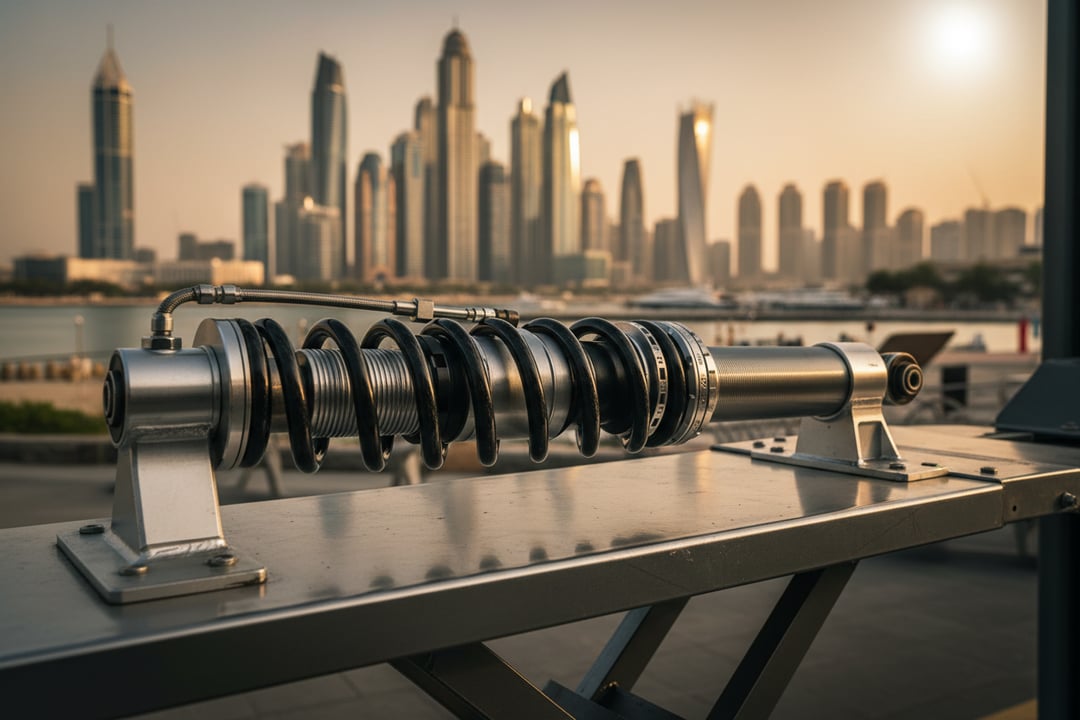
The United Arab Emirates market is defined by high-performance imports and prestige models, yet the infrastructure often subjects vehicles to heavy loads and high velocities. For luxury sedans and SUVs, the suspension system is not merely an accessory; it is the primary interface between the chassis and the road surface. A compromised suspension architecture destroys the intended comfort isolation, causes unpredictable handling, and accelerates wear on other expensive components. Inspecting these systems requires a trained eye to distinguish between cosmetic wear and structural fatigue that threatens safety.
The Anatomy of Luxury Suspension Profiles
Luxury vehicle suspensions differ significantly from standard economy models through the use of sophisticated damping technologies and reinforced chassis components. Manufacturers prioritize ride comfort by utilizing softer spring rates, which necessitates high-performance shock absorbers to control body movement. In the UAE climate, where temperatures fluctuate and loads are heavy, these components experience thermal stress and constant compression cycles that degrade materials over time.
Inspectors must understand that "soft" in a luxury car is a function of the damper, not the spring stiffness. The primary goal of a luxury suspension system is to keep the tires in contact with the asphalt during high-speed cornering and sudden braking maneuvers. If any link in this chain—shocks, springs, or control arms—fails, the vehicle's center of gravity shifts, causing the body to roll or dive excessively, which destabilizes the electronic stability systems.
Shock Absorbers and Struts: The Primary Dampers
Shock absorbers serve the critical function of dissipating the kinetic energy generated by the springs bouncing up and down. In strut-based systems, which are common on the front axles of modern luxury sedans, the strut combines the spring and the shock absorber into a single unit. A visual inspection begins with looking for hydraulic fluid leaks around the piston rod seals or the mounting plate. Wet spots on the tire sidewalls or the strut body indicate active leakage, which reduces the damping efficiency.
Physical damage must also be assessed. A bent or dented strut housing compromises the structural integrity of the entire assembly. Inspectors press down firmly on the bumper to simulate a load; a luxury vehicle should rebound smoothly and settle quickly without oscillating or "bouncing" like a pogo stick. If the rebound takes more than two cycles to settle, the dampers are worn, and the vehicle’s braking distance will increase significantly due to improper weight transfer.
Control Arms and Linkages: Structural Integrity
Control arms serve as the primary connection points between the frame and the wheel hub, allowing for up-and-down movement while keeping the wheel aligned. On luxury vehicles, these arms are often reinforced with aluminum or high-grade steel to support heavier engines and passenger loads. The ball joints at the ends of the control arms allow for steering movement, while the bushings absorb road vibration.
Inspection involves checking for excessive play in the ball joints. With the vehicle supported on a lift, grasp the tire at the top and bottom and try to move it in and out; any lateral movement indicates worn ball joints that can separate from the control arm. Regarding bushings, inspectors look for cracks, tears, or the complete disintegration of the rubber encapsulation. When rubber bushings fail, metal meets metal, producing a distinct clunking noise over bumps and causing the steering wheel to vibrate at highway speeds.
Steering Systems and Precision Alignment
Steering systems in luxury vehicles have evolved from hydraulic power steering to electric power steering (EPS), which offers greater precision and fuel efficiency. Regardless of the assist type, the mechanical linkage—tie rods, ball joints, and rack and pinion units—must remain tight. A common failure point is the inner and outer tie rod ends, which connect the steering rack to the wheels.
Looseness in the steering rack feels like "play" in the center of the wheel rotation. A driver should not be able to move the steering wheel back and forth without the front tires moving. This lack of precision leads to irregular tire wear patterns, such as feathering or cupping, which consume tire life rapidly. Furthermore, worn tie rods affect the alignment angles, leading the vehicle to drift to one side even when the steering wheel is held perfectly straight.
Inspection Packages and Value Assessment
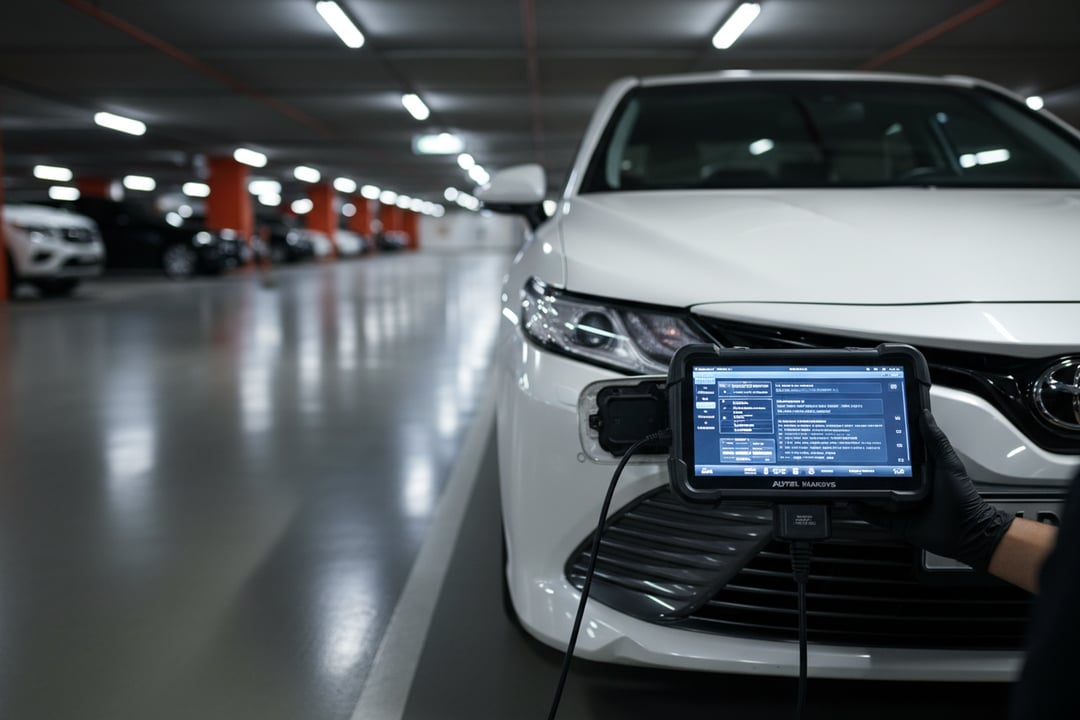
Purchasing a used luxury vehicle requires verifying that the suspension system has not been neglected due to repair costs. A comprehensive inspection provides a detailed breakdown of mechanical health. For buyers requiring a standard mechanical check, the Computer Diagnostic service is available for AED 99. This initial step scans the vehicle's onboard computer to identify electronic faults that may relate to the electronic suspension control module or steering angle sensors.
For a more detailed analysis that covers both body and computer systems, the Body & Computer package at AED 250 offers a broader scope. However, for the specific focus required on suspension integrity, the Comprehensive package at AED 299 is the most cost-effective option. This premium service includes a full Road Test, where technicians evaluate acceleration, braking, noise, and vibration under real-world driving conditions.
| Suspension Component | Key Inspection Focus | Consequence of Failure |
|---|---|---|
| Shock Absorbers / Struts | Oil leaks, piston rod scoring, mounting bracket integrity | Increased braking distance, nose-diving during stops, excessive body roll |
| Control Arms | Ball joint play, bushing cracks, physical bends | Loose steering, noise over bumps, wheel alignment drift |
| Tie Rods | Tie rod end wear, rack boot condition, play in steering | Uneven tire wear, loss of steering precision, steering wheel drift |
| Springs | Height sagging, coil breaks, rust on the wire | Reduced ride height, loss of load carrying capacity, instability |
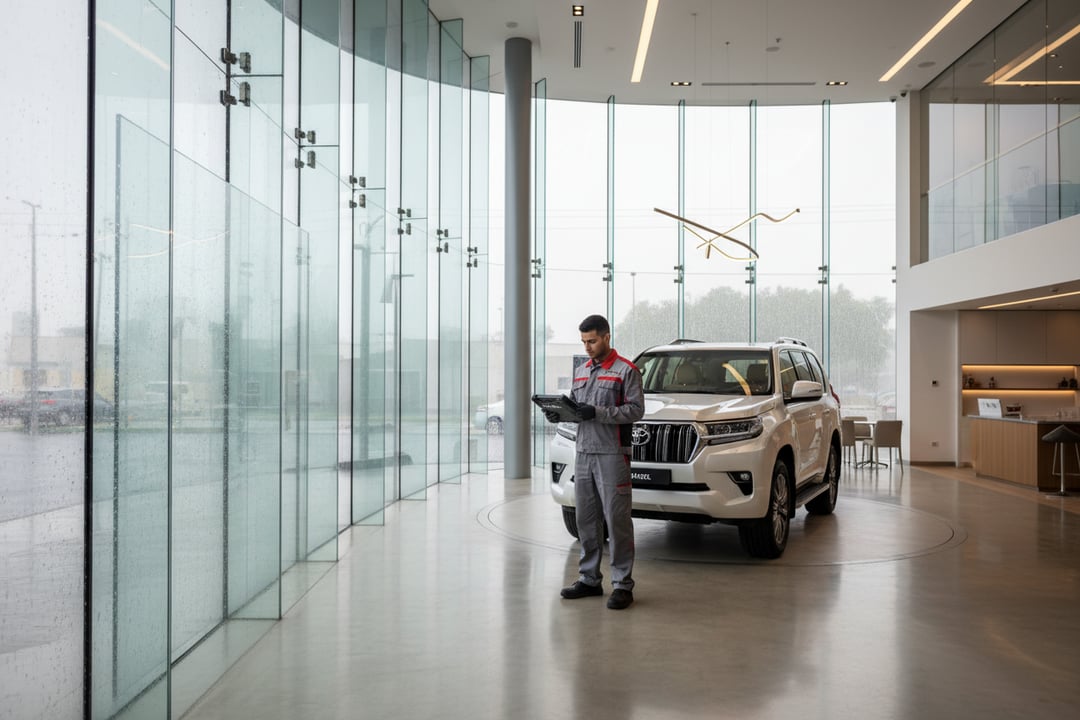
At AutoFay, we conduct inspections covering 410+ checkpoints across 25 categories. Our inspections operate across all seven Emirates, allowing you to have a certified vehicle inspector evaluate the vehicle in its current location. We utilize high-definition photography to document suspension issues and generate a detailed PDF report. AutoFay inspects 410+ checkpoints with HD photos and PDF report. Book at autofay.ae or call +971542584458.



0 Comments
No comments yet. Be the first to share your thoughts!