
When purchasing a pre-owned vehicle in the UAE, focusing solely on the engine and paintwork often leads to overlooking the most critical safety components: the suspension and steering systems. These mechanical elements connect the vehicle chassis to the wheels, managing road forces and ensuring the driver maintains control in varying conditions. A compromised suspension system does not just result in an uncomfortable ride; it directly impacts braking distance, tire longevity, and overall vehicle handling. For buyers, understanding the specific condition of these parts is non-negotiable. AutoFay’s comprehensive inspection process evaluates over 410+ checkpoints across 25 categories, ensuring that no critical wear or damage goes unnoticed.
The Anatomy of Vehicle Stability
The suspension system is a network of springs and dampers working in unison to absorb the energy from road imperfections. This network includes control arms, ball joints, tie rods, and springs, all of which maintain the correct geometry of the vehicle. If any of these components fail, the vehicle may pull to one side, bounce excessively, or exhibit abnormal noises over bumps. A professional inspection distinguishes between normal wear and mechanical failure, providing clarity on whether a vehicle requires immediate repair or is safe for immediate purchase. Inspectors look for signs of corrosion, physical deformation, and fluid leaks that indicate internal component failure.
How Inspectors Evaluate Shock Absorbers and Struts
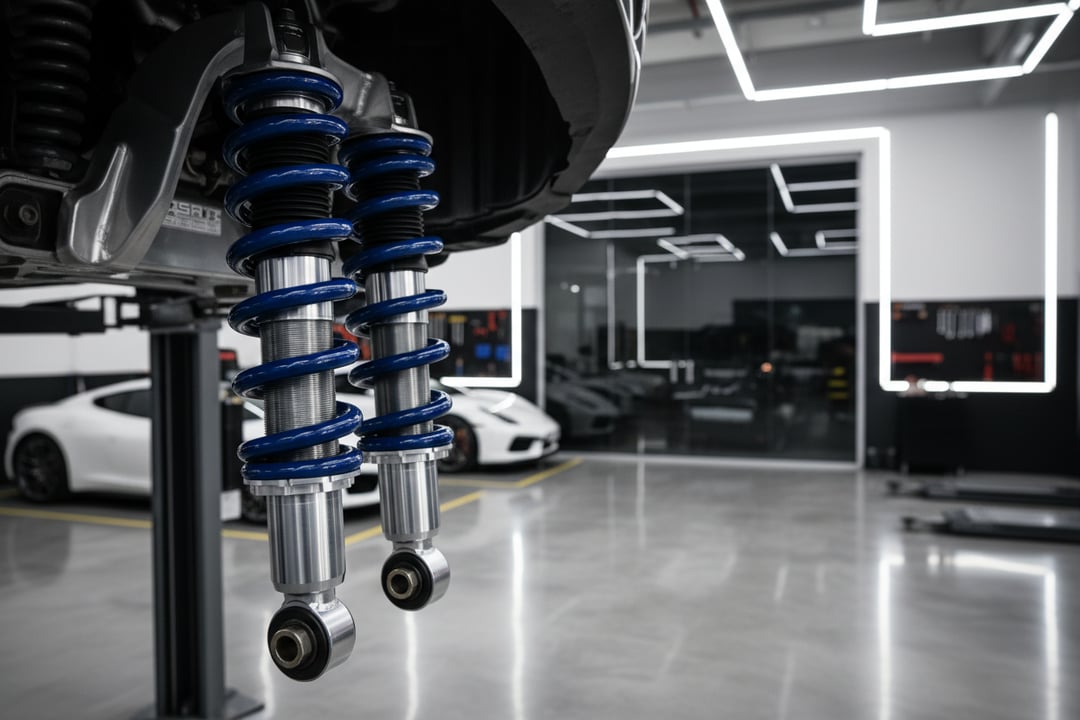
Shock absorbers and struts are the primary dampers that control the rebound of the springs after a bump is hit. Over time, internal seals weaken, allowing hydraulic fluid to leak or gas to escape, which drastically reduces the system's ability to control wheel movement. Inspectors perform a physical "bounce test" by pushing down firmly on each corner of the vehicle. A healthy shock absorber will settle quickly and rebound only once; a worn unit will continue to bounce or feel "mushy."
Consequences of worn shocks extend beyond ride comfort. They significantly reduce the tires' ability to grip the road, especially during hard braking or sudden lane changes. This results in increased stopping distances and accelerated tire wear. Additionally, worn shocks can cause the vehicle to "nose dive" when braking or "squat" during acceleration, affecting the vehicle's stability. During an AutoFay inspection, this is categorized under the "Road Test" section, where acceleration, braking, and noise are measured against safety standards.
Inspecting Springs and Coil Packs
Springs or coil packs are responsible for supporting the weight of the vehicle and maintaining ride height. They work constantly under high pressure, which can lead to fatigue and eventual physical failure. Inspectors check for signs of sagging, which indicates a loss of spring rate. If a spring has lost its height, it alters the suspension geometry, potentially causing the tires to wear unevenly on the inner or outer edges. Severe sagging can also lead to the struts bottoming out, causing metal-on-metal contact that can damage the shock mount or the control arm.
Visual inspections also look for rust, which weakens the structural integrity of the metal. In severe cases, a spring can snap completely while the vehicle is in motion, causing a sudden loss of control. Identifying a broken or rusted spring early prevents a significant failure later. This component is often overlooked in basic visual checks but is crucial for maintaining the vehicle's structural alignment and resale value.
Control Arms, Bushings, and Tie Rods
The control arms act as the bridge between the wheels and the frame, connecting the steering knuckles to the chassis. They are equipped with bushings—rubber or polyurethane sleeves that isolate the metal parts from vibrations and road noise. As these bushings age, they crack, harden, and decay, allowing excessive movement between the arm and the frame. Inspectors test for play by shaking the wheel at the 12 and 6 o'clock positions; any looseness indicates worn tie rod ends or ball joints.
Worn tie rod ends directly affect the steering response. If a tie rod end is worn, the steering wheel may feel loose, or the vehicle may pull to the left or right even when the steering wheel is centered. This misalignment causes rapid, uneven tire wear. Inspectors also check the condition of the control arm boots, which keep dirt and moisture away from the internal ball joint. Torn boots allow contaminants to enter, leading to rust and seizing of the joint, which requires full replacement of the arm rather than a simple repair.
Interpreting Inspection Findings for Your Purchase
Understanding the technical findings of a suspension inspection requires translating mechanical symptoms into financial and safety implications. A vehicle with worn shocks may seem drivable, but the lack of braking efficiency makes it a liability. Similarly, a car with worn ball joints poses a severe safety risk, as the steering connection could detach while driving. Buyers must weigh the cost of replacing these parts against the vehicle's overall value. Repairing suspension components is labor-intensive, often requiring the vehicle to be lifted and disassembled, which drives up the repair bill significantly.
Below is a summary of common findings and their operational consequences during a professional inspection.
| Component | Common Inspection Indicator | Operational Consequence |
|---|---|---|
| Shock Absorbers | Oil leaks, excessive bounce on test | Increased stopping distance, tire cupping wear, poor cornering stability |
| Springs | Rust cracks, visible sagging height | Vehicle pulling, uneven tire wear, possible strut bottoming out |
| Control Arms | Cracked bushings, torn boots | Clunking noises, alignment issues, vibration transmission |
| Ball Joints | Loose wheel movement, grease seal damage | Steering play, potential loss of control, rapid tire wear |
When purchasing a vehicle, these findings must be communicated clearly. A detailed report from a service like AutoFay separates cosmetic issues from mechanical necessities. For instance, a vehicle with minor cosmetic scratches is a different risk profile than one with a failed braking system. Buyers can use this data to negotiate the price based on the cost of necessary repairs.
The Value of a Professional Road Test
The difference between a visual inspection and a professional road test is the ability to detect dynamic faults. A component may look intact but fail under load. For example, a tie rod end might show no visible play while the car is stationary but become loose during a high-speed turn or aggressive maneuver. The "Road Test" category in the inspection report evaluates how the suspension interacts with the steering system during acceleration, braking, and cornering.
Inspectors also listen for suspension noises. A "clunk" sound when hitting a pothole often indicates worn ball joints or control arm bushings. A "squeak" or "rubbing" noise suggests dry bushings. AutoFay inspectors document these sounds with HD photos and detailed notes, ensuring the buyer understands the severity of the noise. This level of detail prevents the buyer from inheriting a vehicle that requires immediate and expensive repairs immediately after purchase.
Choosing the Right Inspection Package
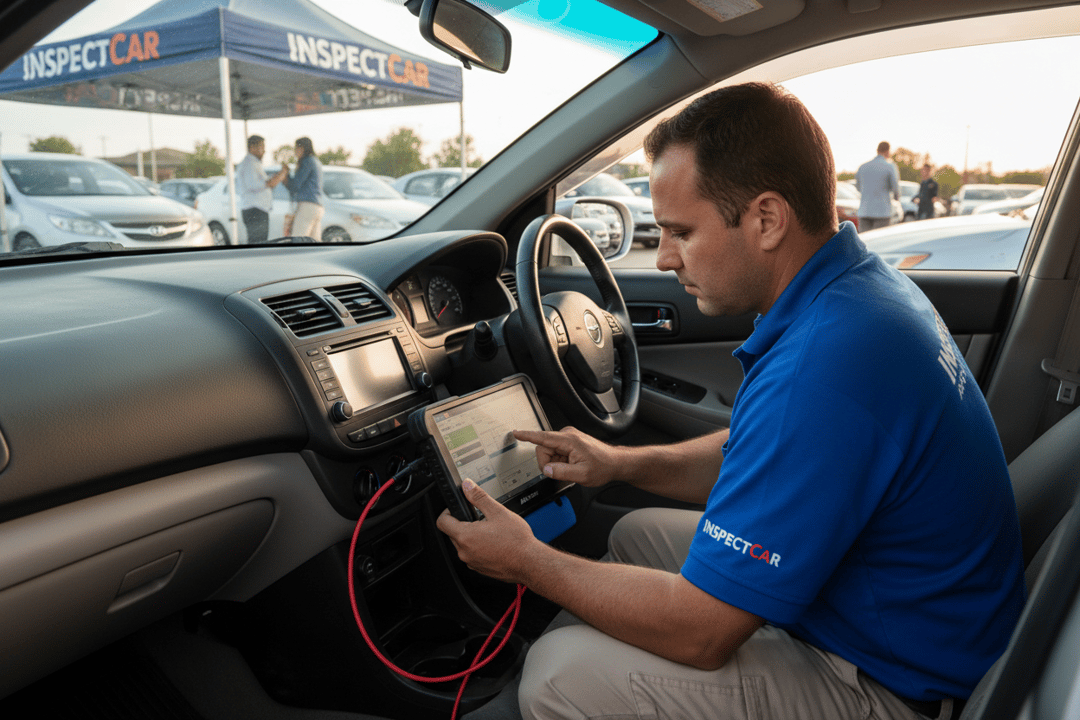
Given the complexity of modern suspension systems and the interplay with braking and steering, a basic visual check is rarely sufficient. Buyers should opt for a comprehensive inspection that covers the entire vehicle. A standard visual inspection might miss internal corrosion or fluid loss in sealed units. AutoFay offers packages that include Digital OBD scans for ABS and airbag systems, which can sometimes be correlated with suspension failures in modern vehicles. The Computer Diagnostic AED 99 package provides a quick overview, while the Body & Computer AED 250 and Comprehensive AED 299 packages offer deeper analysis.
A comprehensive inspection typically includes a panel-by-panel check of the body and frame, ensuring that suspension mounting points have not been bent due to previous accidents. If a vehicle has been in a collision, the control arms or sub-frame may be misaligned, rendering the suspension repairs ineffective until the structural damage is corrected. This holistic approach is essential for making a sound investment. The report generated provides a full history of the vehicle's condition, highlighting potential pitfalls that an untrained eye might miss.
Suspension and steering components rarely fail suddenly without warning, but they degrade over time. By understanding what inspectors look for—oil leaks, rust, play, and noise—buyers can ask the right questions and demand evidence of the vehicle's maintenance history. A professional report acts as a safeguard, ensuring that the vehicle purchased is mechanically sound and safe for the UAE roads.
AutoFay inspects 410+ checkpoints with HD photos and PDF report. Book at autofay.ae or call +971542584458



0 Comments
No comments yet. Be the first to share your thoughts!