

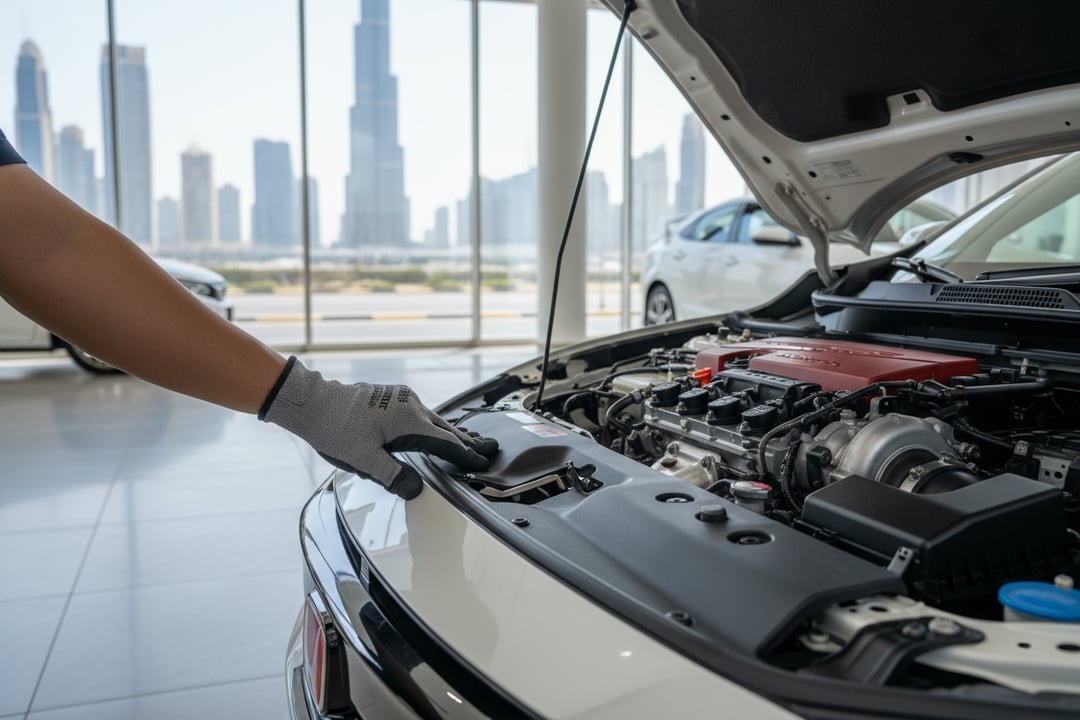
The UAE summer presents a hostile environment for vehicle components, particularly for used cars that may have accumulated mileage in harsh conditions. While Hondas are renowned for their durability, specific thermal weaknesses can manifest rapidly when temperatures exceed 45 degrees Celsius. An owner must approach the pre-summer season not merely as a routine maintenance task, but as a critical safety intervention. Neglecting these inspections can lead to component failure that renders a vehicle immobile or unsafe to drive. This analysis outlines the model-specific vulnerabilities of Honda vehicles in the UAE and provides a framework for prioritizing inspection checkpoints.
Engine Cooling System: The Critical Vulnerability
Honda engines, particularly the K-series and V6 variants often found in the market, are robust but rely heavily on consistent coolant circulation to manage thermal load. During a UAE summer, the air conditioning system places a dual load on the engine, effectively pushing coolant temperatures higher than normal operation. A failing thermostat or a degraded water pump is a classic Honda fault that often goes unnoticed until the vehicle overheats. The consequence of a cooling system failure is catastrophic; it can lead to a blown head gasket, warped cylinder heads, and total engine seizure.
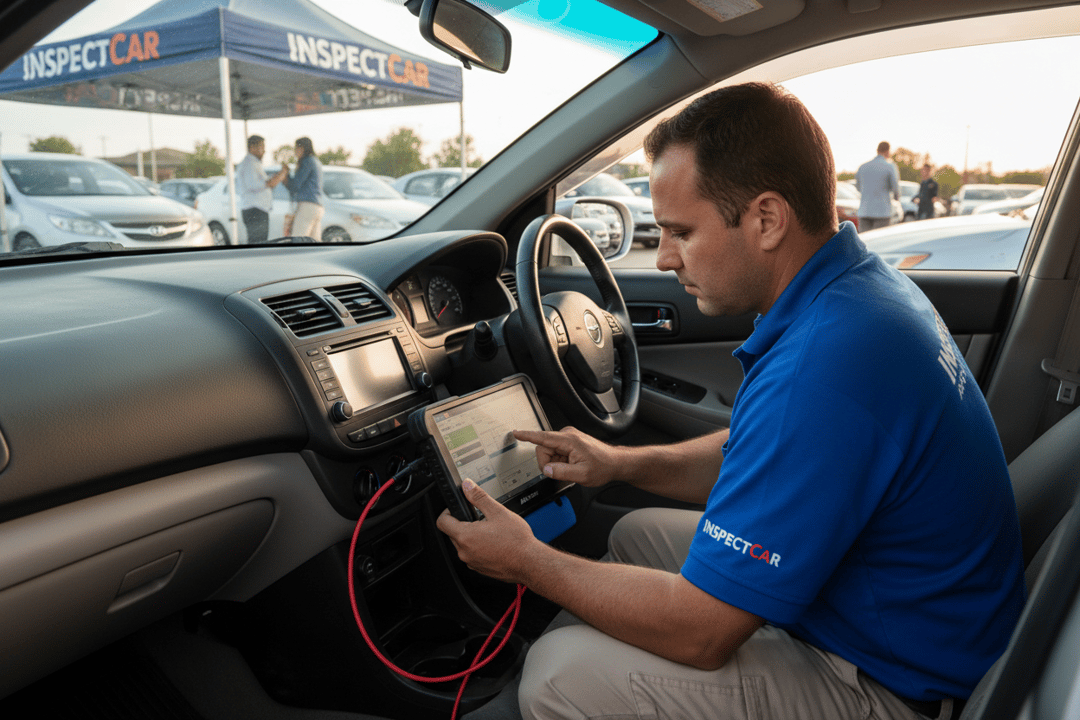
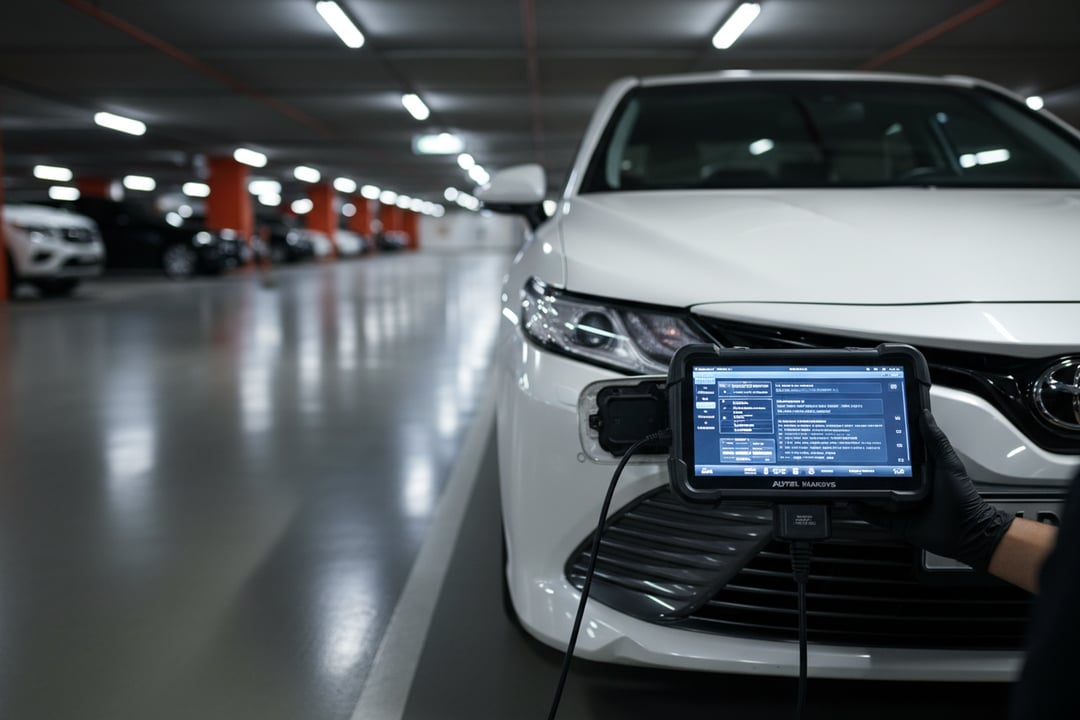
Inspectors must verify the condition of the coolant reservoir and look for signs of internal combustion gases mixed with the fluid, which indicate a blown head gasket. The radiator cap should be checked for hydraulic pressure retention to ensure it can hold the system's boiling point. A visual inspection of hoses for swelling or cracking is also essential, as heat causes rubber compounds to degrade faster. For a thorough analysis of the engine's health, utilizing a computer diagnostic scan is non-negotiable. AutoFay offers a Computer Diagnostic service starting at AED 99, which can identify electronic faults within the cooling control system that a visual inspection might miss.
Brake System Performance in Thermal Stress
Brake performance degrades significantly in high-temperature environments. As temperatures rise, brake fluid absorbs moisture and boils, creating vapor pockets that compromise the hydraulic pressure required to stop the vehicle. Honda vehicles are generally equipped with solid brake rotors, but older models may have vented rotors that are prone to warping under extreme thermal cycling. When brake pads wear down, the metal backing plates can contact the rotors, causing the rotors to warp instantly. This results in a vibration that travels through the steering wheel and brake pedal, indicating a safety hazard.
The inspection must prioritize the percentage of brake pad remaining against the rotor. A rating of 25 percent or less requires immediate replacement to prevent damage to the caliper and rotor assembly. Inspectors should also check the brake fluid condition; if the fluid is dark or smells burnt, it has absorbed moisture and must be flushed. The brake lines and calipers should be inspected for leaks, as high heat expands metal components, potentially exposing weak points in the tubing. The Body & Computer package from AutoFay, priced at AED 250, covers these essential safety checks, ensuring that the braking system is capable of handling the increased demands of summer driving.
Electrical System and Battery Health
High temperatures accelerate the chemical reaction inside a car battery, leading to premature failure. Additionally, the electrical wiring harnesses in older vehicles can suffer from insulation breakdown due to prolonged exposure to UV radiation and heat. Honda vehicles are particularly sensitive to electrical faults in their ignition systems, such as faulty ignition coils or spark plugs, which can lead to rough idling and poor fuel economy. The consequence of an electrical failure in the summer is often a vehicle that will not start when the air conditioning is fully engaged, as the electrical draw exceeds the battery's capacity.
During an inspection, the battery terminals must be cleaned and checked for corrosion, which acts as an insulator and prevents the flow of electricity. The battery voltage should be measured to ensure it holds a charge even under load. Wiring harnesses should be inspected for exposed wires, particularly around the engine bay where heat is most concentrated. A malfunctioning alternator can also be exacerbated by heat, leading to dimming headlights and a dead battery upon turning off the engine. Ensuring the electrical system is robust prevents the inconvenience of breakdowns during peak traffic hours.
Suspension and Underbody Integrity
The UAE road infrastructure, while extensive, often contains potholes and uneven surfaces that stress the suspension components. Heat exacerbates the aging process of rubber bushings and metal components. Common faults in Honda suspensions include worn-out shock absorbers, which lose their ability to dampen road vibration, and deteriorated ball joints. When bushings dry out due to heat, the vehicle loses its alignment, leading to uneven tire wear and increased fuel consumption. The consequence of driving with worn suspension components is poor handling stability, especially when cornering at speed in the heat.
Inspectors must perform a road test to listen for clunking noises when the vehicle hits bumps and look for excessive body roll or nose dive during braking. The tires should be checked for their manufacturing year, as rubber degrades over time regardless of mileage. Underinflated tires expand more when exposed to heat, increasing the risk of a blowout. The suspension system must be evaluated for leaks in the shock absorbers, which are a common point of failure. Ensuring the suspension is in good order is vital for maintaining control of the vehicle in the sweltering UAE traffic conditions.
Fluids and Engine Oil Breakdown
Engine oil is the lifeblood of the vehicle, and its viscosity changes drastically with temperature. In the scorching UAE summer, conventional engine oils can thin out, reducing their ability to lubricate moving parts and protect against friction. Honda engines, particularly those with higher mileage, are susceptible to sludge buildup if the oil is not changed regularly. The consequence of lubrication failure is increased friction, leading to overheating and accelerated wear on the piston rings and cylinder walls.
Inspectors should check the engine oil level and its condition by removing the dipstick. The oil should appear amber and translucent; if it is black, gritty, or smells burnt, the engine has been operating under duress. Transmission fluid and power steering fluid must also be inspected for color and smell, as heat causes these fluids to break down and lose their lubricating properties. Sludge and varnish buildup inside the engine can block oil passages, leading to catastrophic engine failure. Regular fluid changes are the most cost-effective way to extend the life of the engine during the summer months.
Inspection Priorities Table
When preparing a used Honda for the summer, inspectors should categorize findings into critical safety issues and maintenance recommendations. The following table outlines the primary areas of focus based on common failure points in the UAE market.
| Priority Area | Common Honda Faults in UAE | Automotive Inspection Focus |
|---|---|---|
| Cooling System | Thermostat failure, water pump leak, radiator hose cracking | Check coolant level, inspect for leaks, verify radiator cap pressure function |
| Brakes | Glazed rotors, worn brake pads, moisture in brake fluid | Measure pad thickness, inspect rotors for warping, check fluid condition |
| Electrical | Battery acid leakage, alternator failure, coil pack failure | Check battery voltage, inspect wiring insulation, test charging system |
| Suspension | Leaking shocks, worn bushings, ball joint wear | Perform bounce test, listen for clunking, inspect fluid levels in dampers |
| Body & Paint | Clear coat oxidation, panel misalignment, rust on undercarriage | Panel-by-panel paint inspection, check for accident repairs or repainting |
Preparing a Honda for the UAE summer requires a holistic approach that addresses thermal stress on mechanical and electrical systems. Ignoring the signs of wear and tear during the pre-summer period invites significant financial risk and safety hazards. A professional inspection provides an objective assessment of the vehicle's condition, separating cosmetic imperfections from critical mechanical failures.
For a detailed evaluation, AutoFay offers comprehensive on-location inspection services across all seven Emirates. The Comprehensive package, priced at AED 299, provides a detailed analysis of the vehicle's condition. AutoFay inspects 410+ checkpoints with HD photos and PDF report. Book at autofay.ae or call +971542584458.



0 Comments
No comments yet. Be the first to share your thoughts!