

The arrival of the rainy season in the UAE fundamentally alters the mechanics of driving, transforming a vehicle from a dry-weather appliance into a complex moisture-management system. For used car buyers, this period is critical, as hidden vulnerabilities often surface only when wet surfaces and high humidity test a vehicle’s integrity. Nissan models, ranging from the rugged Patrol to the compact Kicks, are ubiquitous on UAE roads, yet they possess specific design traits that make them susceptible to water ingress and corrosion during the winter months. A thorough inspection during the rainy season requires more than a casual visual check; it demands a forensic analysis of the vehicle's electrical, mechanical, and structural components. Neglecting these checks can lead to expensive repairs for water-damaged electronics or compromised safety systems.
The Electrical System as the Primary Vulnerability
Nissan vehicles are frequently cited in automotive circles for having electrical systems that can be sensitive to environmental stress. The primary concern during the rainy season is water intrusion, which occurs through compromised seals around the doors, the sunroof, or the trunk. Even minor hairline cracks in the rubber weather stripping allow moisture to seep into the cabin, potentially dripping onto electronic control units or corroding connection points.
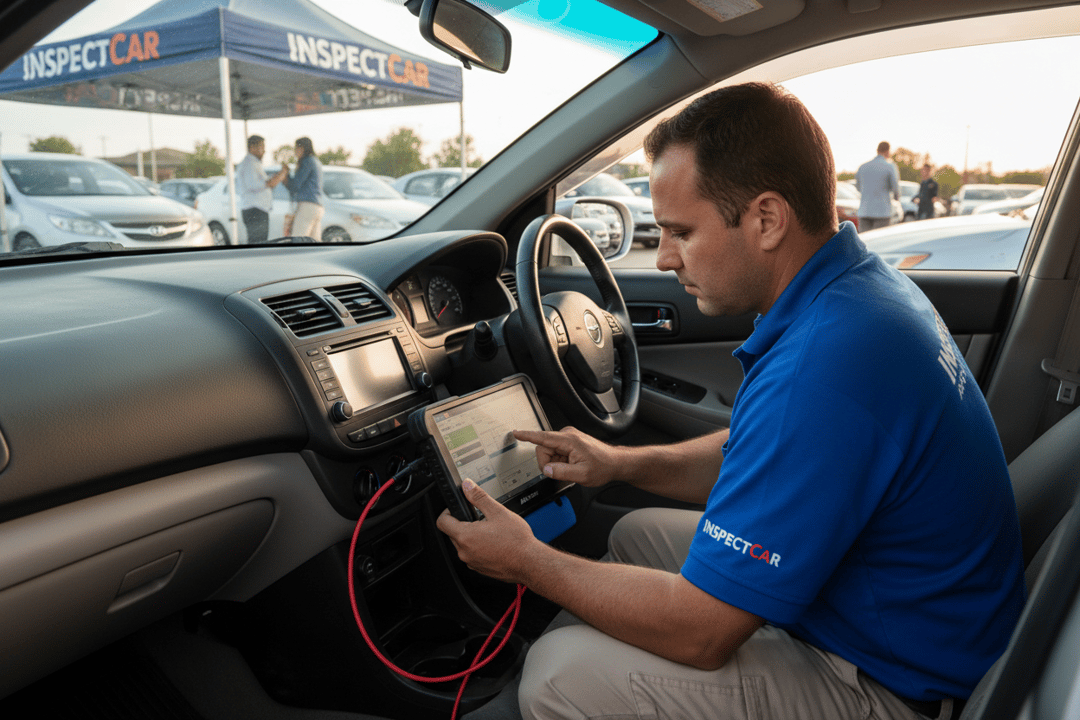
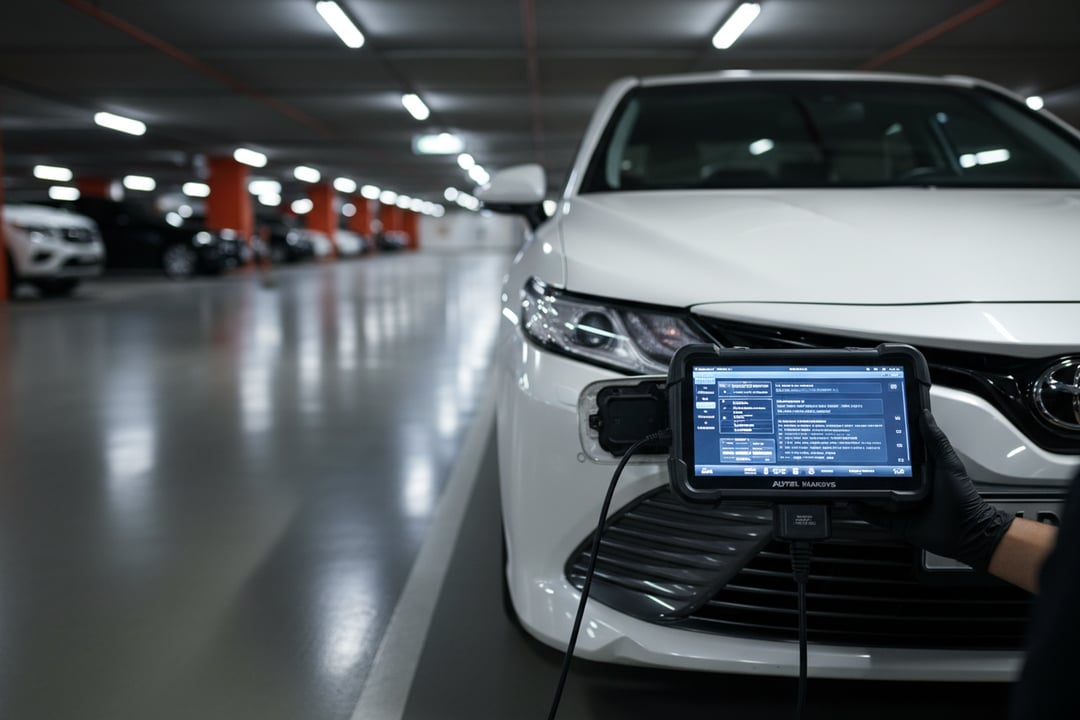
Water causes oxidation at the microscopic level, leading to high resistance in electrical circuits. This manifests as flickering dashboard lights, erratic functioning of the infotainment system, or intermittent issues with power windows. In severe cases, water can reach the Engine Control Unit (ECU), leading to permanent damage that renders the vehicle undriveable or requires a complete unit replacement. Consequently, an OBD scan is not merely a diagnostic tool for engine codes; it is a safety check for the entire vehicle's electronic architecture.
- Check the Dashboard: Observe for any warning lights that illuminate inconsistently or stay on after the engine is warm.
- Inspect Door Seals: Look for cracks or stiffness in the rubber weather stripping that prevents water from draining properly.
- Test Electronic Components: Ensure that the sunroof, power locks, and mirrors function smoothly without delay or error beeps.
Fluid Contamination: The Silent Killer
One of the most deceptive consequences of a vehicle that has survived a rainy season poorly is internal fluid contamination. The UAE’s heavy monsoon rains often fill low-lying areas, and water can splash up into the engine bay or pool underneath the car. If a vehicle has a compromised oil drain plug or a loose filter, water can mix with engine oil, drastically reducing its lubricating properties.
Engine oil contaminated with water appears milky or frothy on the dipstick, a condition that accelerates engine wear by preventing proper lubrication between metal parts. Similarly, transmission fluid and brake fluid absorb moisture over time; if these fluids are old or compromised, the brake system may suffer from reduced hydraulic pressure, leading to longer stopping distances. Inspectors must prioritize checking fluid levels and physical conditions to ensure the car is not operating with compromised lubricants.
- Check Engine Oil: Remove the dipstick and look for a milky or frothy texture, indicating water contamination.
- Inspect Radiator Hoses: Look for cracks or bulges that could burst under the pressure of coolant mixing with rainwater.
- Review Brake Fluid: Ensure the fluid is a clear golden color; dark fluid with a brown tint suggests moisture absorption and potential brake failure.
Model-Specific Vulnerabilities in the UAE Market
When inspecting specific Nissan models, the focus must shift to known common faults. For the Nissan Patrol Y62, the most critical area is the rear door bottoms. Water tends to accumulate in the lower door frames due to the design of the tailgate and the drainage channels. If these channels are clogged with mud or debris, water will seep into the door panel, causing rust to form on the hinges and the door seal mechanism.
The Nissan X-Trail and Pathfinder models often exhibit issues with the rear suspension components. The rear differential and axle shafts are prone to rust in the UAE’s coastal humidity combined with rain. When inspecting these models, the inspector must physically lift the rear of the vehicle and inspect the undercarriage for any signs of oil leaks or rust formations on the differential casing. A wet, rusty axle joint is a ticking time bomb that will fail during a high-speed maneuver.
| Nissan Model | Common Rain-Related Issue | Inspection Priority |
|---|---|---|
| Nissan Patrol (Y62) | Rust at rear door bottoms and tailgate hinges | High |
| Nissan X-Trail (J31/J32) | Rear suspension rust and oil leaks | High |
| Nissan Kicks (E11) | Foggy headlights and electrical panel moisture | Medium |
| Nissan Altima (L33) | Power steering fluid leaks and sunroof drainage | Medium |
The Importance of Underbody and Frame Integrity
The structural health of a used car is dictated by its frame or unibody. During the rainy season, the road surface is wet and often contains salts or contaminants that accelerate corrosion. The frame rails, floor pans, and the "B-pillars" (the vertical pillars connecting the roof to the side windows) are the most vulnerable points.
Water can seep through the wheel arches and pool in the floor pans. Over time, this leads to rust that eats through the metal, compromising the safety of the vehicle in a collision. A visual inspection must go beyond surface scratches to identify bubbling paint or surface rust that indicates the metal beneath has been compromised. If the frame has been repaired—known as a "straightening"—the integrity of the welds is critical, as rain can seep into these joints and cause the repair to fail.
Structuring the Inspection: Choosing the Right Package
Attempting a rainy-season inspection alone is risky; the complexity of modern vehicles requires professional tools and systematic procedures. A comprehensive inspection covers the electrical, mechanical, and structural aspects of the vehicle. For buyers seeking a thorough evaluation of the vehicle's health, choosing a structured inspection package is essential.
The Computer Diagnostic package is the baseline for identifying electronic faults. At AED 99, this service reads the engine, transmission, ABS, and airbag systems to detect stored codes that indicate sensor failure or electrical faults. However, electronics are only half the battle; a Body & Computer package at AED 250 adds a visual inspection of the bodywork, panel alignment, and paint condition, which helps identify past accident damage that could hide water damage.
For the most peace of mind regarding safety and comprehensive health, the Comprehensive Package at AED 299 provides the most value. This includes everything in the previous packages, plus a detailed road test, suspension check, tire manufacturing year analysis, and a full fluid assessment. This ensures that no aspect of the vehicle’s ability to handle rain and road conditions is overlooked.
| Package Name | Price (AED) | What It Covers |
|---|---|---|
| Computer Diagnostic | 99 | OBD scan for engine, transmission, ABS, airbag codes |
| Body & Computer | 250 | Full OBD scan + Panel-by-panel body inspection, paint check |
| Comprehensive | 399 | Full OBD scan + Body + Frame + Frame rails + Road Test + Fluids |
The Road Test: Wet Weather Dynamics
A static inspection is incomplete without a dynamic assessment of the vehicle's braking and handling capabilities in wet conditions. The brake pads must have sufficient material left to ensure adequate friction when the roads are slick. A worn brake system will result in longer stopping distances, which is a critical safety deficit during the monsoon.
During the road test, listen for unusual noises. If the suspension components are worn, rain can make the noise more pronounced as the dampers work harder. Additionally, check for any vibration in the steering wheel while braking, which indicates warped rotors or uneven tire wear. These issues are exacerbated by wet roads and cannot be identified by simply looking at the car.
The rainy season in the UAE exposes the true condition of used vehicles in a way that dry weather cannot. Electrical failures, fluid contamination, and structural rust are the primary risks that buyers face. A professional inspection service provides the necessary framework to uncover these issues before they lead to costly repairs. By utilizing a structured approach that includes computer diagnostics, physical inspections, and road testing, buyers can accurately assess the condition of a Nissan vehicle.
AutoFay inspects 410+ checkpoints with HD photos and PDF report. Book at autofay.ae or call +971542584458


0 Comments
No comments yet. Be the first to share your thoughts!