

The transition from the scorching UAE summer to the unpredictable monsoon season introduces a unique set of mechanical challenges for used vehicle owners. For luxury marquees like Lexus, the focus shifts to water ingress, electrical integrity, and compromised sealants that often reveal themselves only when humidity levels rise and rain becomes a daily occurrence. A pre-purchase inspection during the rainy months serves as a critical diagnostic tool to uncover issues that might remain dormant in dry conditions. This guide details the specific vulnerabilities of used Lexus models in the UAE and outlines the priorities for a thorough evaluation.
The Architecture of Vulnerability: Why Rain Season Matters
Luxury vehicles are engineered for comfort and refinement, which often involves complex electronic systems and sensitive sealing materials that struggle to withstand the abrupt shift from extreme heat to moisture. While Lexus is renowned for reliability, the specific climate of the UAE creates a "saline and humid" environment that accelerates corrosion and degrades rubber components far faster than temperate climates. When rainwater mixes with road salt and dust, it creates an electrolyte that attacks metal components, while the sudden temperature fluctuations can cause sealants to crack or lose adhesion. Inspecting a vehicle during the wet season allows you to verify that the vehicle's waterproofing systems have not failed over time.
Model-Specific Rain Season Risks
Each Lexus generation presents distinct challenges when exposed to heavy rainfall and high humidity. Identifying these model-specific traits is essential for a realistic valuation of a used car in the UAE market.
- Lexus ES Series (2009–Present): The panoramic roof and sunroof channels are primary failure points. If the drainage tubes are clogged with dust and natural debris, water will bypass the gutters and seep into the front footwells or soak the sound insulation behind the dashboard.
- Lexus RX Series (2007–Present): The high ground clearance that makes this SUV versatile on desert tracks becomes a liability during heavy rain if the rear differential seals are compromised. A leak here introduces water into the drivetrain, leading to sluggish transmission response and potential gearbox failure.
- Lexus LX 570 and GX 460: These heavy-duty vehicles often suffer from corrosion in the rear suspension mounts due to water pooling under the rear seat during the rainy season. Furthermore, the integrated air suspension systems are highly susceptible to moisture contamination, which reduces damping efficiency and causes erratic ride height adjustments.
- Lexus CT 200h: Being a hybrid, the battery insulation is critical. Water intrusion into the battery compartment, a common issue in older models with worn door seals, can lead to permanent battery cell damage and expensive replacement costs.
Lexus Common Faults Exacerbated by Water
Several recurring issues common to Lexus models in the GCC region are exacerbated by the transition to rain season. These faults are mechanical but manifest through fluid dynamics and electrical conductivity.
- Sunroof Drain Clogging: The four drainage tubes located at the corners of the sunroof are designed to channel water outside the vehicle. Over time, dust from desert winds fills these tubes. During rain, the water has nowhere to go but down the A-pillar and into the cabin, soaking the door sills and electronic modules.
- Door Seal Deterioration: The rubber seals around the doors and trunk degrade due to UV exposure and ozone. Once they crack or shrink, they no longer form an airtight barrier. This allows water to spray directly onto the door control modules and fuse boxes during a wash or heavy downpour, leading to electrical shorts.
- Electrolytic Corrosion: When water mixes with road salt and moisture, it conducts electricity. This can cause the battery terminals to corrode rapidly and lead to poor electrical connections in the starter and alternator. In hybrid Lexus models, this can manifest as intermittent starting issues or dashboard warning lights.
- Brake Fluid Contamination: If the brake fluid reservoir or caliper seals are compromised, water can seep into the system. Water has a lower boiling point than brake fluid, meaning the brakes may fade significantly during heavy braking in the rain, increasing the risk of hydroplaning.
Inspection Priorities: The Technical Deep Dive
When evaluating a used Lexus during the rainy season, the inspector must pivot focus toward undercarriage integrity and internal fluid dynamics. The following priorities should dictate the inspection process.
1. Underbody and Frame Assessment: The undercarriage is the first line of defense against road spray and puddles. Inspectors must check the frame rails, suspension arms, and subframe for signs of rust that may have been accelerated by the recent rains. Look for bubbling paint, which indicates underlying corrosion where water has trapped heat.
2. Suspension and Shock Absorbers: Water that enters the shock absorbers through faulty seals can cause the internal oil to emulsify, turning it into a frothy mixture that offers no damping capability. A vehicle with compromised shocks will bounce excessively and struggle to maintain tire contact with the wet road surface.
3. Electrical System Integrity: The complexity of a Lexus Hybrid System or the Multi-Information Display requires pristine electrical connections. Inspect the fuse boxes, specifically the central junction box under the dashboard, for any signs of water staining or green corrosion on the terminals. This is a definitive sign of past leaks.
Service Packages for Comprehensive Evaluation
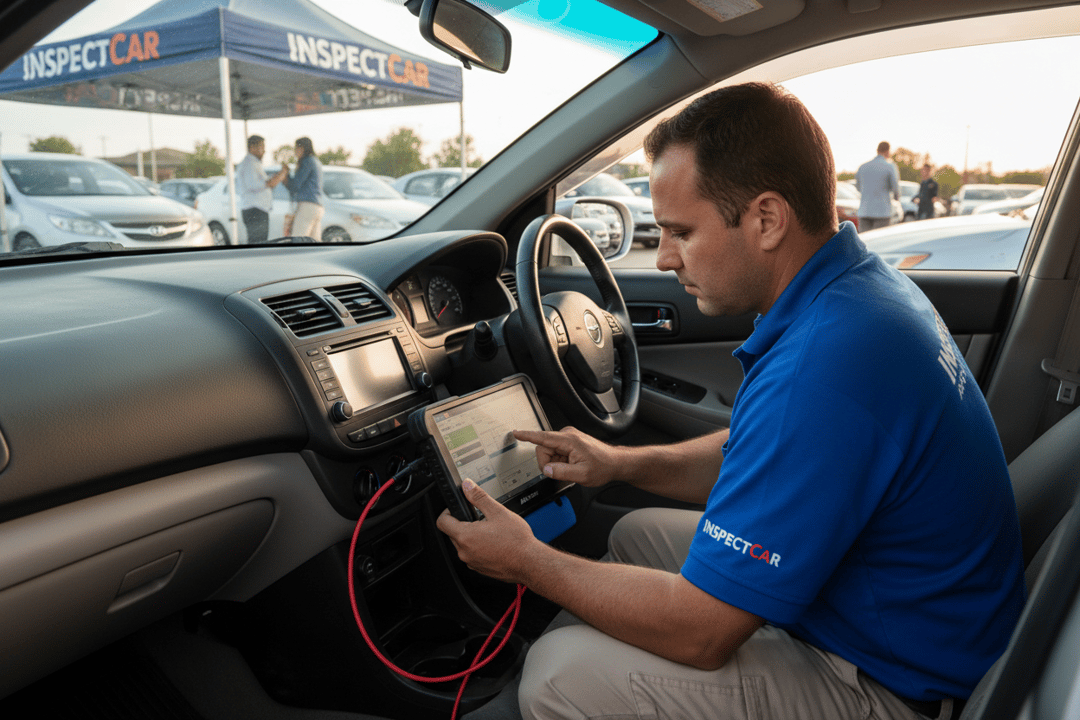
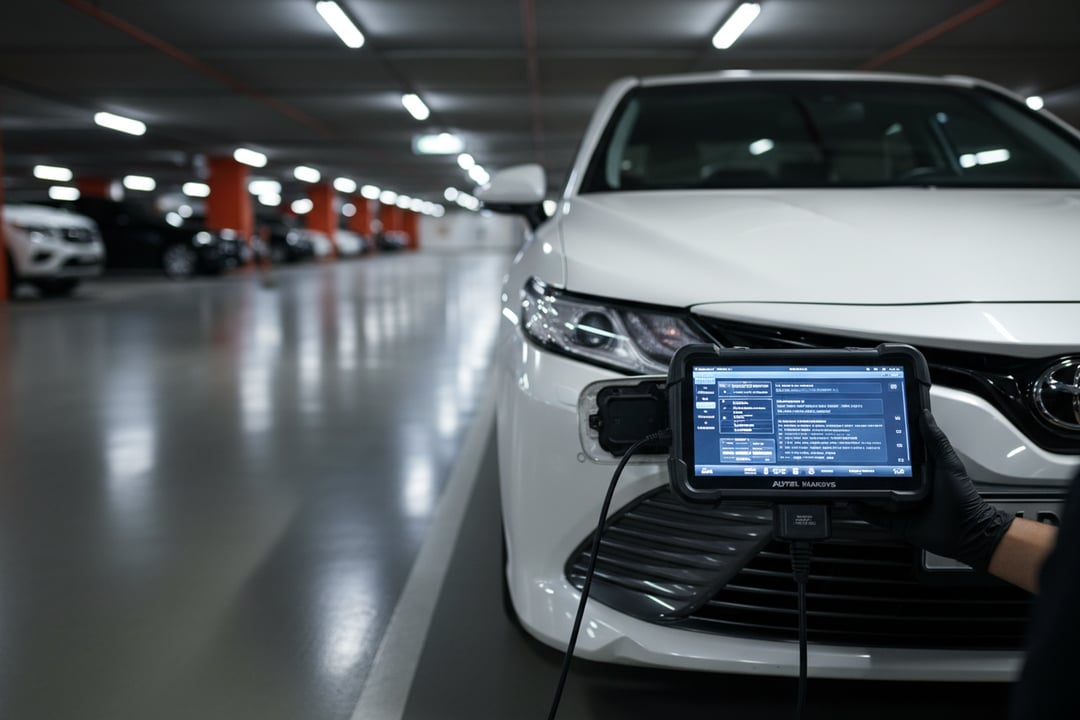
Given the complexity of these issues, a visual inspection is rarely sufficient. Professional diagnostic tools are required to read error codes from sensors that may be triggered by moisture in the system.
| Service Package | Key Inclusions | Best For |
|---|---|---|
| Computer Diagnostic | OBD scan (Engine, Transmission, ABS, SRS codes) and electrical system check. | Verifying electronic stability and hybrid system health. |
| Body & Computer | Panel-by-panel paint inspection (original vs. repainted) combined with OBD scanning. | Detecting accident damage and hidden electronic faults simultaneously. |
| Comprehensive | 410+ checkpoints across 25 categories including frame, engine, brakes, tires, and road test. | Full vehicle valuation and risk assessment before purchase. |
Suspension and Brakes: During the road test, listen for noises from the struts and check the brake pad thickness. A compromised suspension system in the rain will significantly reduce the vehicle's handling capability and safety margin.
Fluids and Mechanics: Inspect the differential and transfer case fluids for a milky appearance, which indicates water contamination. Check the engine oil dipstick for water droplets, a sign of a blown head gasket that causes white smoke during acceleration.
AutoFay provides a on-location inspection service across all 7 Emirates, ensuring you do not have to drive a potentially unsafe vehicle to a workshop. Their experienced inspectors utilize high-definition photo documentation to provide a transparent record of the vehicle's condition.
Conclusion
Purchasing a used Lexus in the UAE requires a heightened awareness of how environmental factors impact luxury engineering. The rain season unveils hidden vulnerabilities that a dry inspection might miss, particularly regarding water ingress and corrosion. By prioritizing the inspection of seals, electronics, and the undercarriage, buyers can avoid the costly consequences of neglected maintenance.
AutoFay inspects 410+ checkpoints with HD photos and PDF report. Book at autofay.ae or call +971542584458.


0 Comments
No comments yet. Be the first to share your thoughts!