
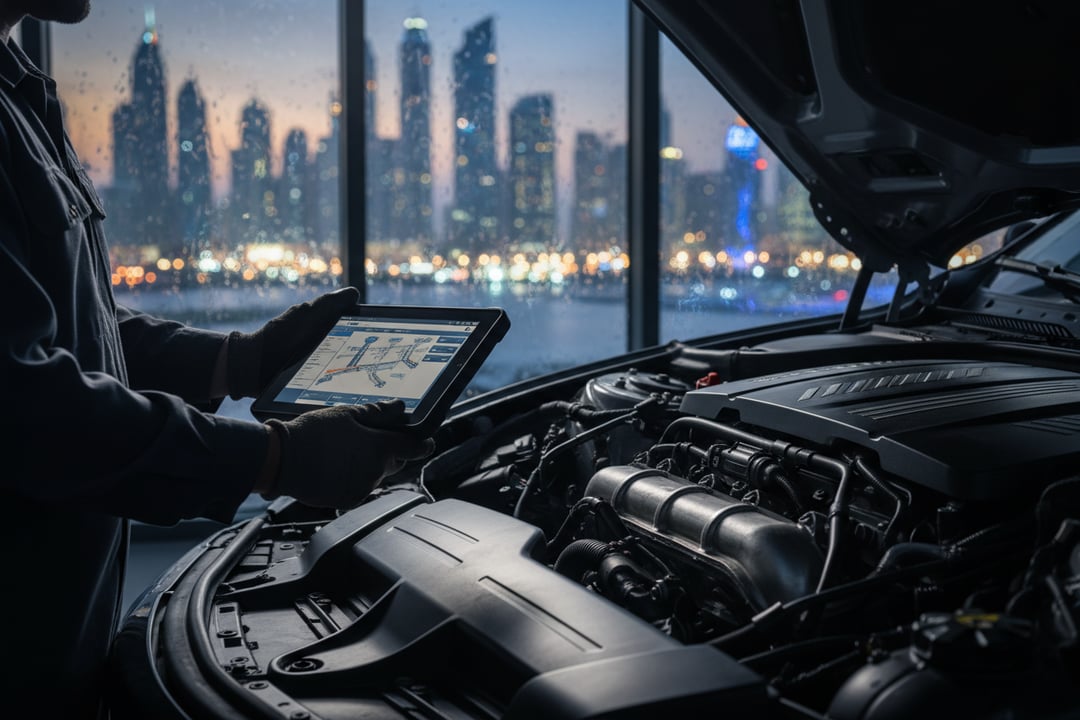
The commencement of UAE’s rainy season introduces significant variables into vehicle handling and longevity. For German engineering, specifically BMW models, the transition from dry to damp conditions exposes latent mechanical weaknesses. Water ingress, moisture absorption in fluids, and compromised electrical systems become primary concerns during this period. A professional inspection provides the necessary data to mitigate these risks before becoming expensive liabilities.
The Critical Role of Fluids in Wet Conditions
Moisture degrades the chemical integrity of essential automotive fluids, rendering them ineffective. Brake fluid is hygroscopic, meaning it absorbs water from the atmosphere over time. Reduced fluid levels lower the boiling point, causing brake fade during heavy braking on wet roads. Transmission fluid also loses its viscosity and lubricating properties when contaminated with water. A visual inspection reveals fluid condition, but a chemical assessment confirms safety.
Engine coolant must maintain a specific chemical balance to prevent overheating under stress. When water mixes with coolant, it compromises the corrosion inhibitors designed to protect the radiator and internal engine components. Leaking fluids often indicate worn seals or gaskets that have expanded or hardened due to temperature fluctuations. Addressing these leaks prevents rapid engine wear and potential significant failure during a rainstorm.
Electrical Systems and Moisture Vulnerability
Modern BMWs rely heavily on sophisticated electronic control units (ECUs) and sensors to manage vehicle dynamics. Water intrusion creates a hostile environment for these components, leading to corrosion and short circuits. Common failure points include the sunroof drains, which can clog and overflow onto electronic control modules located in the dashboard. This water cascades directly onto the wiring harnesses, causing intermittent malfunctions.
Sensor malfunctions, particularly those related to the Anti-lock Braking System (ABS) and Dynamic Stability Control (DSC), can compromise vehicle safety. A malfunctioning sensor may prevent the computer from detecting wheel spin or braking distance, reducing the effectiveness of safety features during slick road conditions. Identifying these electrical faults ensures that the vehicle’s safety systems function as intended when they are most needed.
Suspension and Brake Line Integrity
Hydraulic systems are sensitive to pressure changes and external contaminants. Rubber brake lines can degrade and crack over time, allowing air to enter the system and spongy brakes to develop. Steel braided lines offer durability but require periodic inspection to ensure they are not corroding at the mounting points. Spongy brakes significantly increase stopping distance on wet surfaces, increasing the risk of collision.
Suspension components, including shock absorbers and struts, are critical for maintaining tire contact with the road. Leaking shock absorbers reduce the vehicle's ability to handle uneven road surfaces and reduce braking stability. Worn suspension parts also accelerate tire wear, generating less traction on wet pavement. A comprehensive inspection evaluates the physical condition of these components to ensure stable handling characteristics.
Model-Specific Inspection Priorities
BMW models vary significantly in chassis design and ground clearance, influencing their susceptibility to water damage. Lower-profile models, such as the 3 Series and 4 Series coupes, are more vulnerable to water intrusion into the engine bay and electrical trays. Owners of these sedans should prioritize checking the underbody for corrosion and ensuring the battery tray is free of standing water, which can cause rapid acid leakage.
Larger SUVs, like the X5 and X6, offer higher ground clearance but often suffer from differential and transfer case issues. These vehicles generate significant torque that can exacerbate leaks in the axle seals during heavy rain. The rear differential fluid is particularly susceptible to contamination from water entering through vent tubes. Inspecting the undercarriage for oil or fluid residue helps identify potential drivetrain failures before they occur.
- 3 Series / 4 Series: Focus on sunroof drain integrity and battery tray corrosion.
- X5 / X6 / X3: Focus on rear differential seals and transfer case vent tubes.
- 1 Series: Check suspension bushings for water accumulation and rust.
The Inspection Process: What to Evaluate
A rigorous inspection goes beyond a visual walk-around to identify hidden defects. The inspection process must prioritize the condition of the chassis and the functionality of the braking system. Panel-by-panel analysis ensures that previous repairs were performed correctly and that the vehicle has not been damaged in accidents that could compromise its structural integrity.
Checking the manufacturing date of tires is vital because rubber degrades over time, regardless of tread depth. Old tires lose flexibility and grip, significantly increasing stopping distances on wet roads. The road test phase evaluates the vehicle's acceleration, braking, noise levels, and vibration to ensure all systems are functioning harmoniously. A complete report documents these findings to provide a clear picture of the vehicle's current state.
| Package | Price | Primary Focus |
|---|---|---|
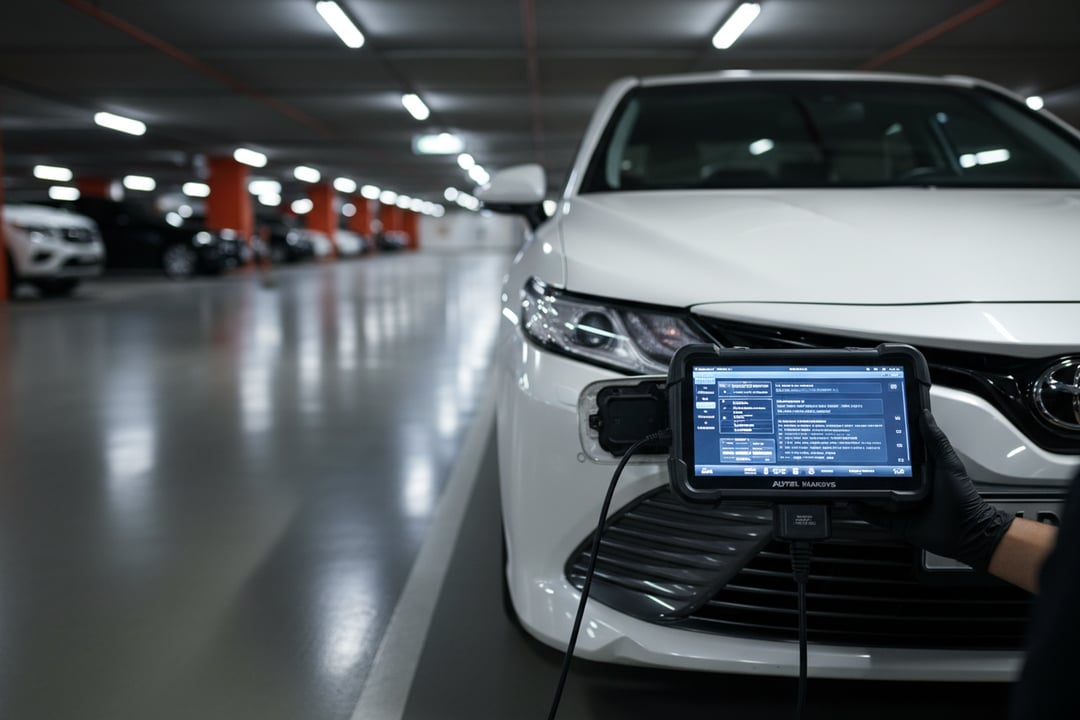
| Computer Diagnostic | AED 99 | OBD scan for Engine, Transmission, ABS, Airbag codes |
| Body & Computer | AED 250 | Panel-by-panel paint analysis, OBD scan, Frame check |
| Comprehensive | AED 299 | Full 410+ checkpoints: Body, Frame, Engine, Suspension, Tires, Fluids, Road Test |
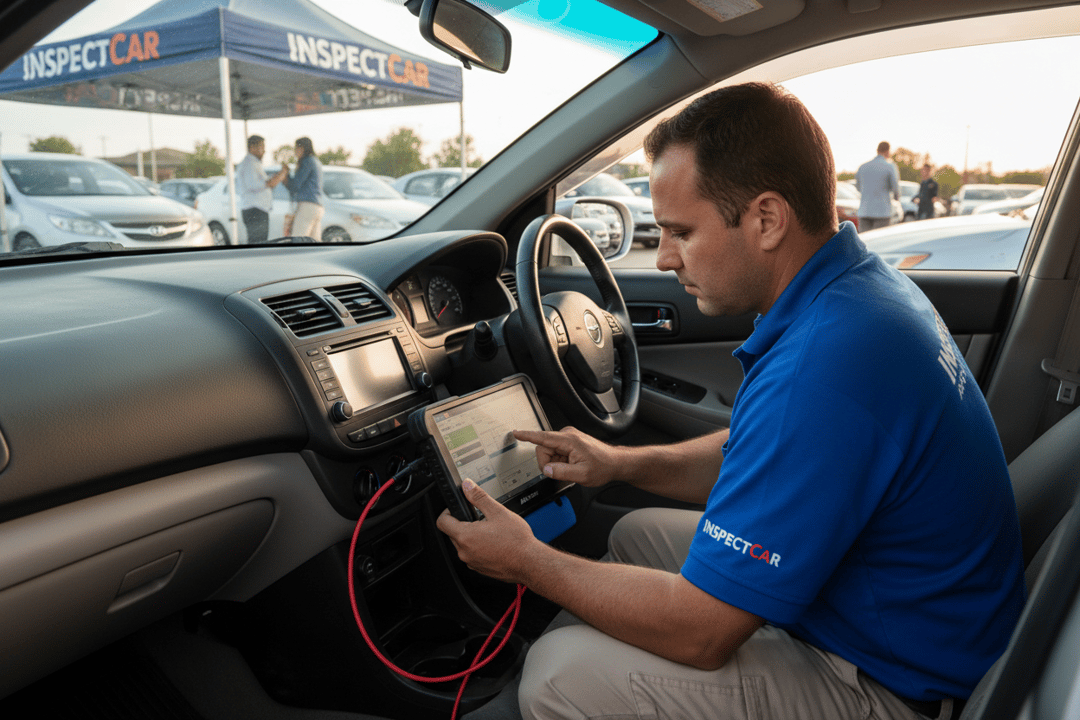
Professional inspection services offer peace of mind by identifying these issues before they result in costly repairs. The on-location inspection capability allows inspections to take place at the buyer's location, ensuring the vehicle is tested in a controlled environment. Utilizing a experienced inspector prevents the purchase of a vehicle with latent water damage that could lead to thousands of dirhams in unexpected repairs.
AutoFay inspects 410+ checkpoints with HD photos and PDF report. Book at autofay.ae or call +971542584458


0 Comments
No comments yet. Be the first to share your thoughts!