

Purchasing a used vehicle in the United Arab Emirates requires a keen eye for detail due to the harsh operating conditions and the high volume of vehicles on the market. Sellers may overlook minor defects that escalate into major mechanical failures, leading to unexpected expenses after purchase. A professional inspection serves as an objective third-party assessment to uncover hidden problems before financial exchange occurs. autofay.ae provides an on-location vehicle inspection service across all seven Emirates, delivering a detailed report based on over 410+ checkpoints.
The Importance of a Pre-Sale Inspection
Buyers often rely on visual cues and test drives, but critical issues remain hidden beneath panels and behind dashboard displays. A comprehensive inspection evaluates structural integrity, mechanical health, and safety systems to ensure the vehicle meets roadworthy standards. The inspection process covers 25 distinct categories, ensuring every component is scrutinized from the engine bay to the undercarriage. Relying on a seller's word is insufficient; verification through professional expertise prevents costly post-purchase surprises.
Nissan-Specific Vulnerabilities in the UAE Market
Nissan vehicles are popular in the UAE for their durability and performance, yet they possess specific mechanical traits that require targeted inspection. The most critical component to examine is the Continuously Variable Transmission (CVT), which is standard in many Nissan models. CVTs operate under unique stress in high-temperature environments and can suffer from belt degradation or pulley slippage. Signs of CVT failure include hesitation during acceleration, strange metallic noises during gear shifts, or the illumination of the transmission warning light.
Another prevalent issue in Nissan engines is the failure of ignition coils and spark plugs. In the UAE climate, high under-hood temperatures can accelerate the deterioration of these components, leading to misfires and reduced fuel efficiency. Inspectors must listen for irregular engine sounds and check for oil leaks around the valve cover gaskets, which are common failure points. Additionally, oxygen sensors often fail prematurely due to environmental contaminants, triggering the check engine light and negatively impacting fuel economy.
Key Inspection Categories
A successful inspection relies on a systematic approach, categorizing vehicle components into specific groups for thorough analysis. The following categories represent the standard of quality control used by professional inspectors to determine the true value of a vehicle.
- Body and Paint: Inspectors perform a panel-by-panel assessment to distinguish between original factory paint and repairs. They check for clear coat degradation, uneven panel gaps, or signs of previous accidents that may have compromised the vehicle's structural alignment.
- Frame and Structure: The integrity of the unibody is critical for safety. Inspectors examine the chassis rails, A-pillars, and floor pans for signs of rust, corrosion, or collision damage that could affect the vehicle's handling and crash protection.
- Engine and Transmission: Beyond visual leaks, inspectors assess the condition of motor mounts and the operation of cooling systems. A road test reveals whether the engine runs smoothly or exhibits vibrations indicative of internal wear.
- Braking System: Brake performance is measured by pad thickness and disc condition. Inspectors determine the remaining life of the braking components and check for fluid leaks or master cylinder issues that could compromise stopping power.
- Suspension and Tires: The suspension system is evaluated for worn bushings and leaking struts. Tires are inspected for manufacturing dates, as older tires lose elasticity in the UAE heat, increasing the risk of blowouts.
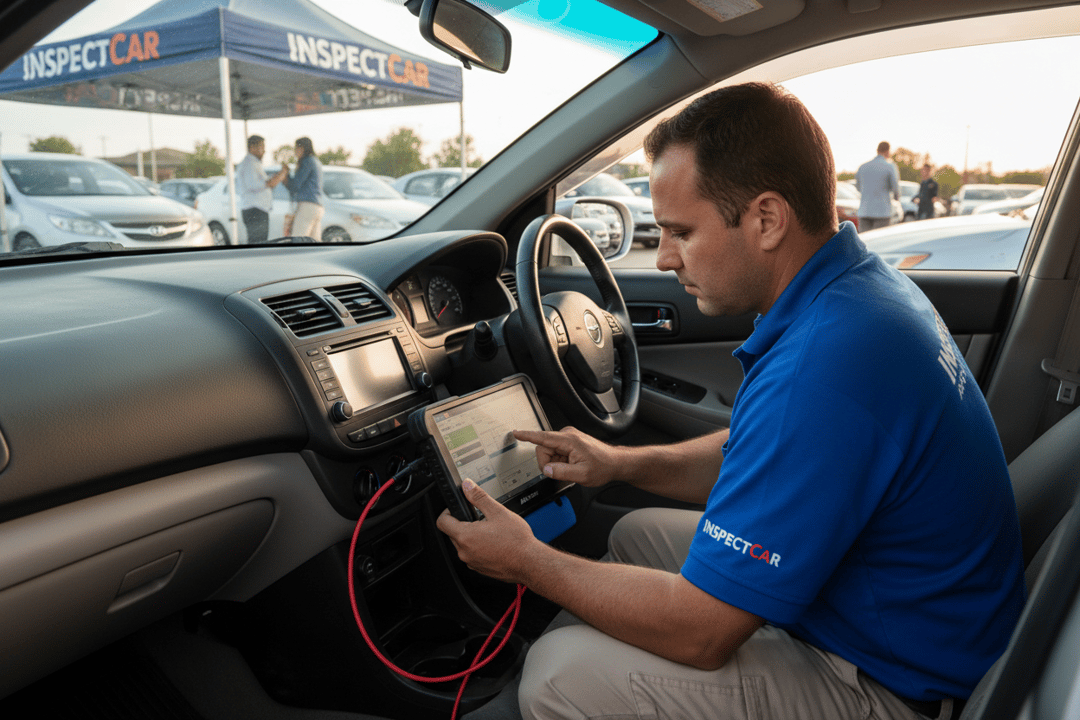
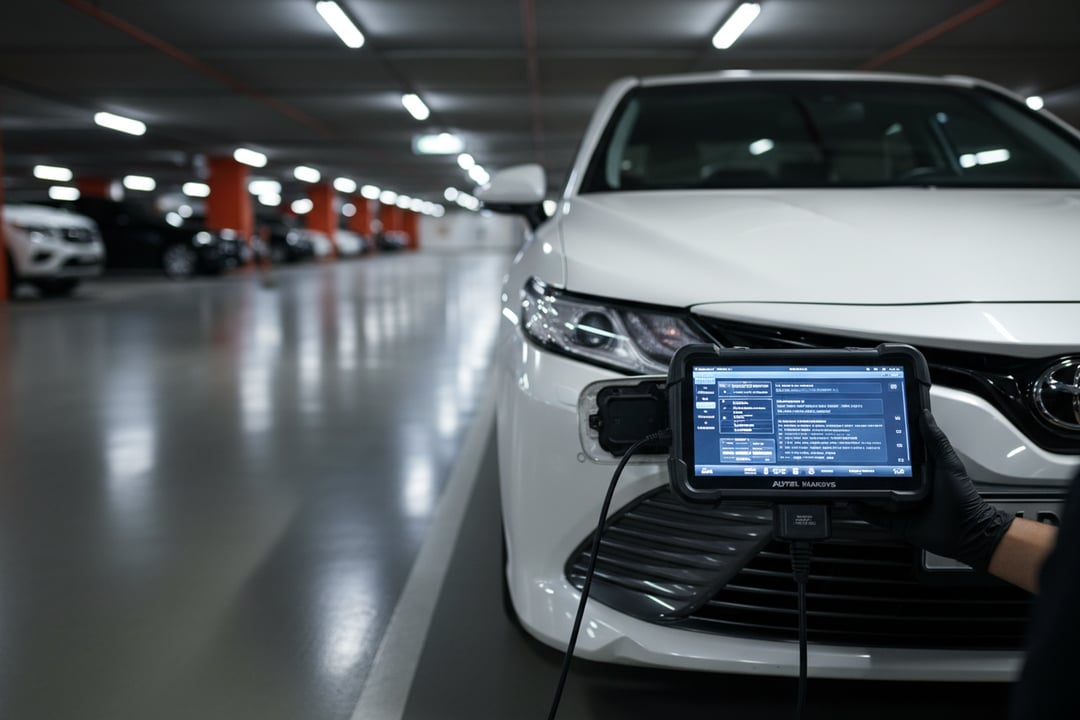
- Fluids and Electronics: The condition of engine oil, coolant, and brake fluid is checked for contamination. An OBD scan reads diagnostic trouble codes for the engine, transmission, ABS, and airbag systems to identify electrical faults.
Service Packages and Pricing Structure
Investing in a professional inspection varies depending on the depth of analysis required. autofay.ae offers three distinct packages designed to suit different budgets and inspection needs, ensuring buyers receive appropriate value without paying for unnecessary services.
| Package | Price | Included Services |
|---|---|---|
| Computer Diagnostic | AED 99 | Full OBD scan of engine, transmission, ABS, and airbag systems to retrieve fault codes. |
| Body & Computer | AED 250 | Includes Body and Paint inspection for accident damage, plus Computer Diagnostic scan. |
| Comprehensive | AED 299 | Full 410+ checkpoint inspection covering Body, Frame, Engine, Brakes, Suspension, Tires, Fluids, and Road Test. |
Prioritizing Inspection Areas
When inspecting a Nissan or any used vehicle, certain areas demand immediate attention due to their impact on safety and longevity. Buyers should prioritize the condition of the cooling system, as overheating is a common failure in older vehicles. A thorough check of the radiator, hoses, and thermostat ensures the engine remains within optimal operating temperatures. Ignoring cooling system wear can lead to catastrophic engine failure, rendering the vehicle undrivable.
Electrical gremlins are another priority. Modern vehicles rely heavily on sensors and control modules, which can become corrupted over time. A proper inspection must include the reading of stored error codes, even if the dashboard lights are currently off. Furthermore, the condition of the battery and alternator must be verified to ensure the vehicle starts reliably and that electronic accessories function correctly. Electrical failures can be intermittent and difficult to diagnose without specialized equipment.
Undercarriage inspection is equally crucial. In the UAE, road salt and dust accelerate corrosion. Inspectors must look for signs of rust on the suspension arms, brake lines, and fuel tank. A compromised fuel tank or leaking brake line poses a significant safety hazard and requires immediate repair. Road test performance should specifically assess steering alignment and tire wear patterns, as uneven wear often indicates suspension misalignment or steering component wear.
AutoFay inspects 410+ checkpoints with HD photos and PDF report. Book at autofay.ae or call +971542584458


0 Comments
No comments yet. Be the first to share your thoughts!