

The pre-sale inspection of a used vehicle in the United Arab Emirates requires a disciplined approach, particularly when evaluating Hyundai models. The market is saturated with these vehicles due to their reputation for affordability and practicality, yet age and mileage expose specific mechanical vulnerabilities. A prospective buyer must move beyond visual aesthetics and scrutinize the chassis, drivetrain, and electronics. This guide outlines the critical areas to prioritize during an inspection to ensure the vehicle meets safety and longevity standards. Understanding the model-specific nuances of Hyundais will reveal whether a vehicle has been maintained or pushed to its mechanical limits.
Engine and Transmission Diagnostics
The heart of any vehicle is its powertrain, and Hyundais are generally robust, yet specific issues arise based on engine displacement and model year. The V6 engines found in older Tucson and Santa Fe models are notorious for timing chain stretch, which can lead to catastrophic engine failure if not addressed. When inspecting the engine bay, listen for abnormal noises during startup and listen for ticking sounds while the engine is idling. These sounds often indicate slack in the timing components or worn valve lifters, which requires significant expenditure to resolve compared to routine oil changes.
Transmission behavior is equally critical. A failing automatic transmission may exhibit hesitation during acceleration, slipping gears, or a delay before engaging reverse. Inspect the transmission fluid color and consistency; it should be bright red and translucent. If the fluid is dark, brown, or smells burnt, the transmission fluid has oxidized, indicating a high likelihood of internal clutch wear or seal failure. Ignoring these signs results in a complete transmission rebuild or replacement, which far outweighs the cost of a simple inspection.
- Listen for ticking noises: A hollow ticking sound often points to hydraulic lash adjusters or timing chain slack.
- Check oil consumption: Excessive oil burning suggests piston ring wear or valve guide issues, common in high-mileage units.
- Inspect the dipstick: Black or granular residue on the dipstick indicates carbon buildup and poor internal maintenance.
- Verify transmission fluid level: Low fluid levels can cause overheating and rapid transmission degradation.
The Importance of an On-Board Diagnostics Scan
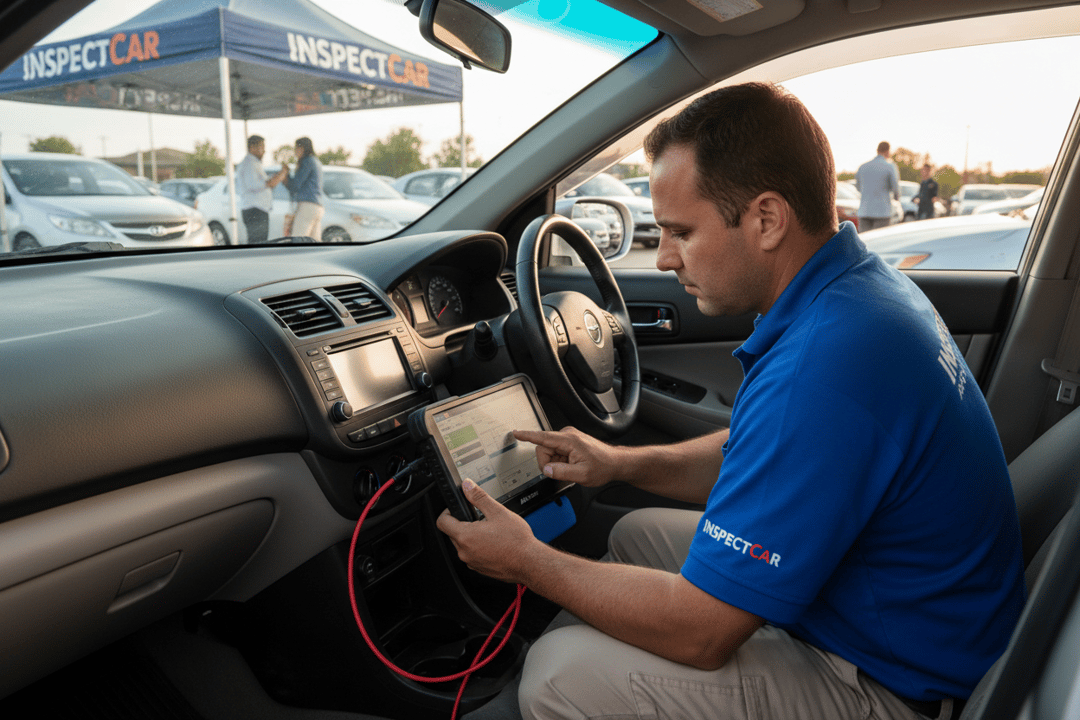
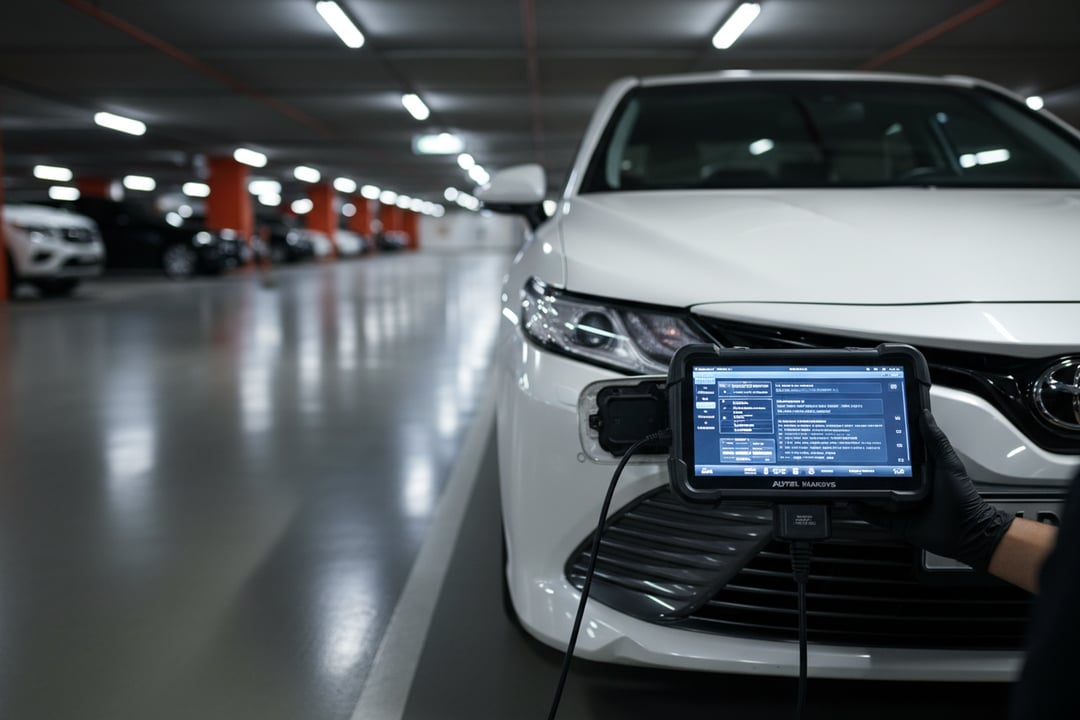
Modern Hyundais rely heavily on complex electronic control units (ECUs) to manage engine performance, transmission shifting, and safety systems. During a pre-sale inspection, an OBD2 scan is mandatory to retrieve stored fault codes that the driver may not be aware of. Codes related to the ABS system, airbag deployment history, or the engine control module (ECM) provide a roadmap of past repairs and potential future failures. A vehicle cleared of all codes may have hidden electrical faults that will eventually reappear.
Hyundai vehicles often utilize a proprietary diagnostic tool that can access transmission data unavailable through standard scanners. A professional inspection will interpret these specific codes to determine if the transmission is operating within its optimal parameters. This step is vital because relying solely on a test drive is insufficient; the computer logs errors that happen during low-speed maneuvers or idle conditions, which are easily missed without a specialized scan.
- Connect the diagnostic scanner to the OBD port to retrieve all stored fault codes.
- Clear the codes and perform a road test to see if the Check Engine Light returns immediately.
- Inspect the ABS and airbag modules for crash history or internal sensor faults.
- Verify that all electronic features, such as power windows and mirrors, respond correctly to the switch inputs.
Suspension, Steering, and Structural Integrity
The suspension system dictates ride quality and handling safety, yet it is often the first component to show wear in a used vehicle. Inspect the shock absorbers and struts by depressing each corner of the vehicle; the car should rebound once and settle firmly. Excessive bouncing indicates worn dampers, which compromise vehicle control, especially during sudden braking. Furthermore, worn suspension components can cause abnormal tire wear and increased fuel consumption due to rolling resistance.
Structural integrity is paramount when evaluating the vehicle's history. Inspect the frame rails and pillars for signs of welding, straightening, or corrosion. Rust is a significant concern in coastal areas of the UAE, particularly around the wheel arches and the bottom of the doors. Even minor corrosion can compromise the structural safety of the vehicle, potentially leading to failure in the event of a collision. A thorough inspection must verify that the chassis is not twisted, which would indicate a serious accident history.
Brakes, Tires, and Safety Systems
Hyundai vehicles often come equipped with performance-oriented tires that provide excellent grip but wear down faster than standard touring tires. When inspecting the tires, check the manufacturing date, not just the tread depth. Tires older than six years old, regardless of tread condition, should be replaced immediately because the rubber compound dries out and becomes brittle. Driving on aged tires significantly increases the risk of a blowout, particularly under the high-speed conditions encountered on UAE highways.
Brake pad thickness is a straightforward metric to evaluate, but the condition of the rotors and calipers provides deeper insight into maintenance habits. Glazed rotors or seized calipers cause vibrations during braking, leading to an uneven brake pedal feel and reduced stopping power. A seized caliper can cause the brake fluid to overheat, potentially leading to brake fluid boil-over and a complete loss of braking ability. Evaluate the brake fluid condition to ensure it is not contaminated with moisture, which lowers its boiling point.
- Measure brake pad thickness to ensure it exceeds the minimum legal limit and safety standards.
- Inspect the manufacturing date of tires to determine if replacement is necessary due to rubber age.
- Check for uneven tire wear patterns, which indicate alignment issues or suspension problems.
- Test the brake pedal for sponginess or pulsation, signaling air in the lines or warped rotors.
Fluids, Electricals, and HVAC Performance
Fluids act as the lifeblood of the vehicle, and their condition reveals the mechanical health of the engine and transmission. Coolant should be checked for the correct color and concentration to prevent overheating. In hybrid Hyundai models, the high-voltage battery coolant system requires specific attention; leaks in this system can cause the hybrid system to shut down for safety. Brake fluid absorbs moisture over time, necessitating periodic replacement to prevent corrosion within the brake lines.
The air conditioning system must be evaluated for cooling capacity, especially given the extreme summer temperatures in the Emirates. A weak AC compressor or a refrigerant leak results in poor cabin cooling, making the vehicle uncomfortable and potentially unsafe due to heat exhaustion. Electrical inspections should cover the battery health and the condition of wiring harnesses. Frayed or corroded wires are prone to short circuits, which can lead to electrical fires or system malfunctions.
| Inspection Package | Service Inclusions | Price |
|---|---|---|
| Computer Diagnostic | OBD2 Engine Scan, ABS Check, Airbag History | AED 99 |
| Body & Computer | Panels, Paint, Frame, Computer Diagnostics | AED 250 |
| Comprehensive | Full Mechanical, Electrical, Road Test, Report | AED 299 |
Distinguishing between a well-maintained Hyundai and a neglected unit requires expertise in these specific areas. A vehicle with a history of neglect will eventually require expensive repairs that could have been prevented with routine maintenance. AutoFay inspects 410+ checkpoints with HD photos and PDF report. Book at autofay.ae or call +971542584458.


0 Comments
No comments yet. Be the first to share your thoughts!