


The UAE market is saturated with used Honda vehicles, ranging from the ubiquitous Civic to the executive Accord and the rugged CR-V. These vehicles command significant attention due to a global reputation for longevity and fuel efficiency. However, a vehicle's history is often a complex narrative of ownership and environmental stress. A pre-sale inspection provides the objective data required to separate a well-maintained asset from a deteriorating machine. Without a professional assessment, sellers risk undervaluing their vehicle, while buyers risk inheriting latent mechanical liabilities that surface shortly after purchase.
Understanding the Honda Lifecycle in the UAE
High ambient temperatures and stop-and-go traffic conditions accelerate the degradation of automotive fluids and rubber components in the Emirates. Unlike climates where vehicles may sit idle for extended periods, Hondas in the UAE undergo rigorous daily cycles. This reality dictates that a thorough inspection must prioritize thermal stress and friction wear. A seller preparing to list a vehicle must understand that the inspection process is not merely a formality but a critical step in establishing transparency and market value.
The inspection process acts as a third-party verification of the vehicle's current state. It reveals the gap between the current mileage and the actual mechanical condition. For instance, a high mileage reading on the dash does not necessarily indicate imminent failure if the maintenance logs are meticulous. Conversely, low mileage often masks neglect if the oil was not changed frequently enough to prevent sludge buildup. A professional inspection evaluates these discrepancies against industry standards.
Engine and Transmission: The Heart of the Matter
The powertrain remains the most expensive component to replace in any vehicle, making it the primary focus of a pre-sale assessment. Honda’s i-VTEC and K-series engines are generally robust, but age introduces specific vulnerabilities. The inspector must listen for valvetrain noise, often described as a "tick" or "clatter," which indicates worn camshaft lifters or excessive valve clearance. This sound becomes more pronounced as the engine warms up and usually signifies a need for adjustment or future replacement.
Transmission health is equally critical, particularly for automatic variants. A common failure mode in older Hondas is the torque converter shudder, which creates a vibration during acceleration. The inspector should monitor for delayed engagement when shifting from Park to Drive or Reverse. Slipping gears, indicated by a sudden drop in RPM without a corresponding increase in road speed, are definitive signs of internal clutch wear. Ignoring these symptoms leads to catastrophic transmission failure, rendering the vehicle undrivable.
- Oil Consumption: Honda engines are not immune to burning oil. A dipstick check reveals whether the vehicle requires frequent top-ups, which suggests worn piston rings or valve guide seals.
- Exhaust Smoke: Blue smoke indicates burning oil; black smoke suggests a rich fuel mixture or a failing oxygen sensor; white smoke usually points to a blown head gasket due to overheating.
- Transmission Juddering: A vibration felt through the steering wheel during highway cruising often points to a failing torque converter.
Electrical Systems: The "Honda Sense" Vulnerabilities
Modern Hondas are heavily reliant on electronic control units (ECUs) and sensor networks to manage engine performance and safety features. The "Honda Sense" suite of driver assistance systems is sophisticated but prone to sensor misalignment and wiring corrosion, especially in coastal regions where salt air accelerates electrical degradation. A pre-sale inspection must include a comprehensive check of all warning lights on the dashboard.
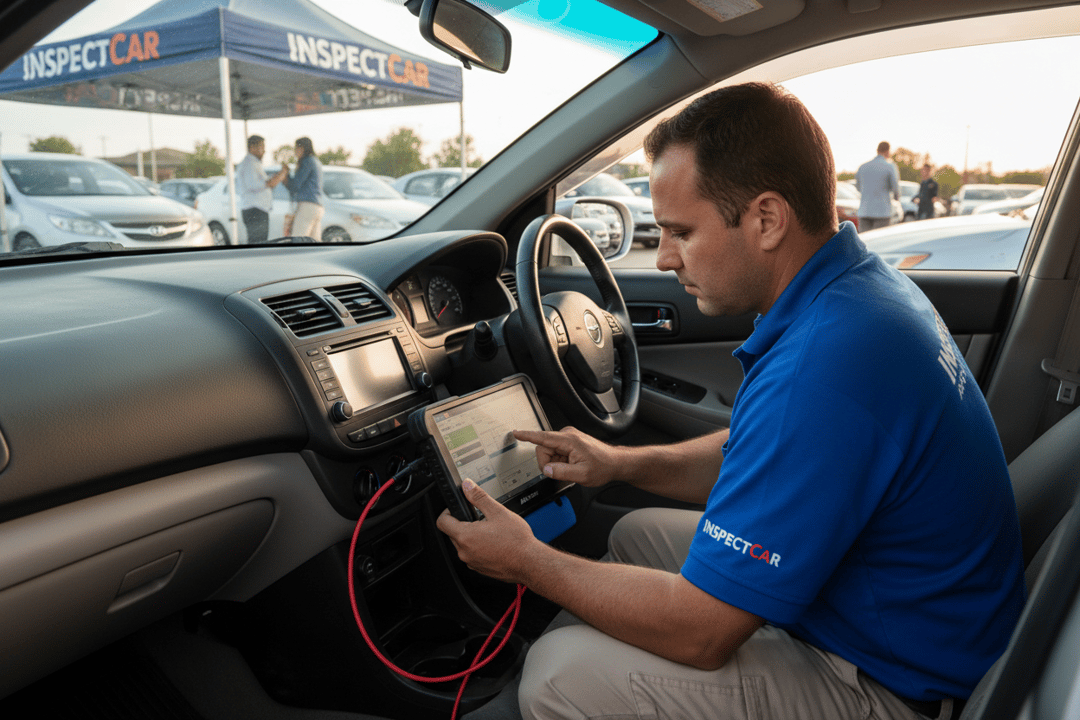
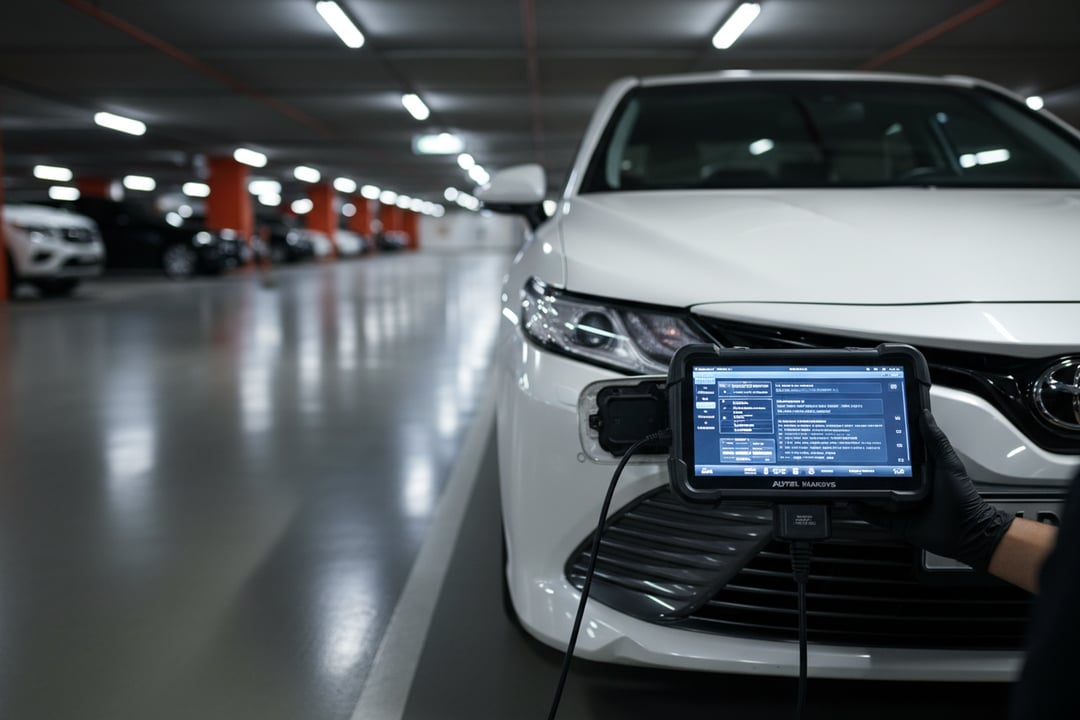
Electrical faults often manifest as parasitic battery drain. A vehicle that fails to start after sitting for a few days may have an alternator that is not charging the battery sufficiently or a parasitic draw from a faulty component. The inspection must verify battery health and alternator output. Furthermore, sensor failures—such as a malfunctioning throttle position sensor or mass airflow meter—can trigger check engine lights that, if cleared, will return immediately. These errors must be diagnosed using an On-Board Diagnostics (OBD) scanner to determine if they are emissions-related or indicative of a component failure.
Chassis, Suspension, and Frame Integrity
Structural safety is paramount. The frame or unibody of a vehicle must remain rigid to protect occupants in the event of a collision. Inspectors check for rust, particularly at the lower door sills, the wheel arches, and the chassis rails. In the UAE, galvanized steel is used in manufacturing, but saltwater intrusion from coastal areas can compromise this protection. Rust on the structural pillars or the floor pan is a critical defect that compromises vehicle safety certification.
Suspension components are subject to constant stress from potholes and speed bumps. Worn ball joints or tie rod ends can cause the vehicle to pull to one side or create a clunking noise over uneven surfaces. Bushings, which absorb vibration, degrade over time and can lead to a loose steering feel. The brake system is inextricably linked to suspension geometry; worn suspension parts can cause the brake pads to wear unevenly, leading to premature rotor damage.
Visual Inspection: Paint, Rust, and Panel Alignment
Bodywork reveals the vehicle's accident history better than the odometer. Panel gaps should be uniform across doors, the hood, and the trunk. A misaligned bumper or a door that sits higher than its counterpart often indicates previous impact damage that was repaired with filler rather than replacing the actual panel. The inspection must differentiate between original paint and repainted areas using paint thickness gauges.
Scratches and stone chips expose the underlying metal to moisture and salt, initiating the rusting process. Inspectors look for "orange peel" texture on the paint, which suggests a poor-quality repair job. Door seals and weather stripping must remain flexible; hard, cracked rubber allows water ingress, leading to floor pan rust and electrical short circuits. The condition of the tires is also a priority; tires older than six years old, regardless of tread depth, should be replaced due to the breakdown of rubber compounds.
The Value of a Professional Pre-Sale Inspection
Not all inspections offer the same depth of analysis. A cursory walk-around cannot detect internal engine wear or hidden frame damage. A professional pre-sale inspection provides a detailed report that documents the vehicle's condition with photographic evidence. This documentation protects the seller from post-sale disputes and allows the buyer to negotiate based on factual data rather than assumption.
Choosing the right inspection service is crucial for accuracy. A comprehensive inspection covers every critical system, ensuring no fault is overlooked. For sellers in the UAE, the ability to present a certified report from a trusted provider adds significant credibility to the listing. It demonstrates that the seller has nothing to hide and that the vehicle has been vetted by an independent expert.
| Inspection Package | Key Focus | Price |
|---|---|---|
| Computer Diagnostic | Engine and transmission error codes, ABS, airbag system faults. | AED 99 |
| Body & Computer | Paint thickness analysis, panel-by-panel body check, and OBD scanning. | AED 250 |
| Comprehensive | Full 410+ checkpoint including frame integrity, fluids, brakes, and road test. | AED 299 |
AutoFay provides a on-location inspection service covering all 7 Emirates. Their comprehensive package examines 25 distinct categories, from the condition of the rearview camera to the functionality of the side mirrors. The service includes a physical road test to assess acceleration, braking, and noise levels under real-world driving conditions. The final report is delivered with HD photos and a detailed PDF document.
Sellers utilizing a professional inspection create a professional selling environment. Buyers gain confidence in the vehicle's condition before committing funds. A certified report effectively bridges the trust gap between private party sales and dealership transactions. It ensures that the transaction is based on the vehicle's actual condition, not its potential.
For sellers in the UAE, the most effective strategy is to address the findings of the inspection before listing the vehicle. Replacing worn brake pads or clearing stored error codes improves the vehicle's appeal and value. Conversely, transparently disclosing known defects builds trust and facilitates a smoother negotiation process.
Ultimately, a pre-sale inspection is an investment in the transaction's integrity. It identifies the "hidden" costs associated with a used vehicle, allowing all parties to enter the sale with their eyes open. It transforms the sale from a gamble into a calculated exchange of value.
AutoFay inspects 410+ checkpoints with HD photos and PDF report. Book at autofay.ae or call +971542584458



0 Comments
No comments yet. Be the first to share your thoughts!