

The Toyota brand commands a formidable reputation in the UAE market, synonymous with durability and longevity. However, the harsh desert climate and intense daily driving conditions accelerate wear on mechanical and electrical systems. A pre-purchase inspection serves as the critical filter between acquiring a reliable asset and inheriting a mechanical liability. This process requires a technical eye to identify defects that are not visible during a casual test drive.
Model-Specific Issues in the UAE Market
Toyota models exhibit distinct failure points based on their intended use and manufacturing timeline. Identifying these model-specific risks prevents unexpected repair bills after the sale is finalized. Inspectors must look beyond the general condition and focus on the specific vulnerabilities of the chassis and drivetrain.
Hilux and Land Cruiser Ownership
Owners of Hilux and Land Cruiser models frequently encounter chassis corrosion on the underbody. The saline air in coastal Emirates accelerates rust formation on the frame rails and structural pillars. A visual check for bubbling paint or rust through on the floor pans reveals neglect. Rust compromises the structural integrity of the vehicle, making it unsafe for high-speed highway driving.
Electronics also require rigorous scrutiny in 4WD vehicles. The 4WD system components, including the transfer case and front differential, often leak fluid over time. A leaking transfer case indicates that the internal seals have failed. Delaying this repair allows metal shavings to enter the gearbox, leading to catastrophic transmission failure.
Camry and Corolla Challenges
The Camry and Corolla share specific suspension wear characteristics common to Dubai’s speed bumps and uneven roads. Excessive steering rack play can cause a vibration or noise at higher speeds. This issue affects vehicle handling stability and increases tire wear. Worn ball joints or bushings produce creaking noises during turns, signaling that the suspension geometry is no longer within specifications.
Alternator failure is a documented issue in older Corolla generations. The alternator charges the battery and powers all electrical systems. A failing alternator leaves the vehicle stranded and drains the battery quickly. Replacing a dead battery immediately after purchase provides no long-term solution to a weak charging system.
Common Faults Across Toyota Models
Despite their reputation, Toyota engines are not immune to the laws of physics and component fatigue. Fluid leaks and ignition system degradation occur with age and mileage. Recognizing these common faults allows an inspector to prioritize repairs accurately.
Oil leaks plague many Toyota engines, specifically the valve cover gaskets and front crank seals. Engine oil lubricates internal components and dissipates heat. A leak reduces oil levels, leading to metal-on-metal friction. This friction causes rapid engine wear and can result in catastrophic engine seizure if left unaddressed.
Ignition coils degrade due to the extreme heat generated in the engine bay. A failing ignition coil causes engine misfires and rough idle. This condition increases fuel consumption and produces a distinct sulfur smell from the exhaust. Continued driving with a misfiring cylinder can damage the catalytic converter.
Brake pads wear down based on driving style and brake disc material. Worn pads damage the disc rotors, leading to vibration during braking. Replacing rotors immediately after pad replacement adds unnecessary expense to the vehicle's maintenance history. An inspection must verify that the brake system is safe without requiring an immediate overhaul.
Priorities During a Professional Inspection
A thorough inspection requires a systematic approach to cover every mechanical system. The inspector must prioritize areas that pose the highest safety risk and financial impact. This ensures that the vehicle inspection report provides actionable data for the buyer.
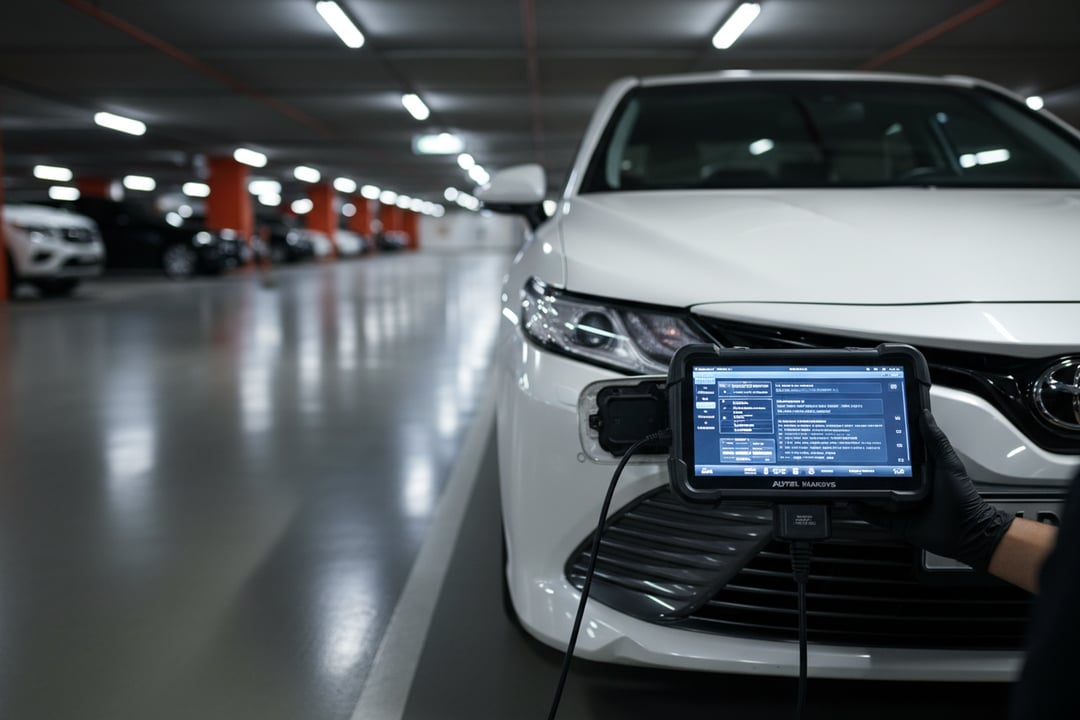
The OBD scan is the first line of defense against hidden electronics faults. Modern vehicles generate error codes for minor issues and major failures alike. An inspector must clear these codes and drive the vehicle to see if they return. This test reveals latent problems that only manifest under specific driving conditions.
Body and paint analysis requires a panel-by-panel review to verify authenticity. Original panels maintain structural rigidity better than repaired ones. Bondo or filler absorbs moisture, causing rust to spread from the inside out. A vehicle with mismatched paint or rough panel gaps indicates prior collision damage that may have compromised the frame.
The road test evaluates the vehicle's dynamic stability and power delivery. Acceleration must be smooth through all gears without hesitation or jerking. Braking should be linear without pulling to one side. Unusual vibrations through the steering wheel or seat indicate suspension or drivetrain problems that require immediate attention.
Understanding Inspection Packages
Choosing the correct level of inspection depends on the vehicle's history and the buyer's budget. AutoFay provides three distinct tiers to suit different needs, ranging from a quick diagnostic to a full mechanical assessment. Utilizing these professional services prevents overpaying for a vehicle with hidden defects.
| Package | Price (AED) | What is Included |
|---|---|---|
| Computer Diagnostic | 99 | Connects to OBD port to read engine, transmission, ABS, and airbag error codes. Identifies check engine lights and electronic faults. |
| Body & Computer | 250 | Includes Computer Diagnostic plus a visual inspection of the exterior and interior. Checks for accidents, repaints, and upholstery damage. |
| Comprehensive | 399 | Includes Body & Computer plus a on-location inspections covering 25 categories. Inspects engine sound, mounts, fluids, brakes, suspension, and tires. |
Fluids and Road Test Dynamics
Engine oil should be amber or brown, depending on the change interval, but never black or thick. Transmission fluid maintains gear synchronization and clutch plates. Burnt smelling fluid indicates overheating and imminent transmission failure. Slipping gears or hard shifts detected during the test drive confirm internal wear.
Tires have a manufacturing date, not just a tread depth measurement. Tires older than six years lose elasticity and grip. Driving on old tires on UAE roads creates a significant safety risk during sudden braking or cornering. Uneven wear patterns on the tires indicate alignment issues or suspension problems.
AutoFay inspects 410+ checkpoints with HD photos and PDF report. Book at autofay.ae or call +971542584458



0 Comments
No comments yet. Be the first to share your thoughts!