
The used car market in the UAE is saturated with Hyundai vehicles, ranging from the ubiquitous Accent to the premium Palisade. While these vehicles offer excellent value for money and durability, they are not immune to specific wear patterns associated with our climate and road conditions. A prospective buyer must move beyond a simple visual check and a short test drive to uncover the hidden history of a vehicle. This requires a systematic approach that addresses the unique mechanical and structural demands placed on Hyundai models in the region. A professional pre-purchase inspection is the only way to verify that the vehicle meets safety standards and mechanical integrity.
Hyundai Model Profile & Common Wear Points
Hyundai has evolved significantly over the last two decades, shifting from economy cars to premium SUVs. However, regardless of the model—whether a Santa Fe, Tucson, or Ioniq—certain mechanical components are prone to accelerated degradation in the UAE heat. Understanding these specific vulnerabilities allows the buyer to target their inspection efforts effectively.
One of the most critical areas of concern in older Hyundai models is the maintenance of the timing belt and tensioner assemblies. If this component fails, it can result in catastrophic engine damage that renders the vehicle unrepairable. Additionally, rubber components such as engine mounts and suspension bushes degrade faster due to constant exposure to high temperatures and dusty desert conditions. Over time, this degradation leads to increased engine vibration and a loss of ride comfort.
- Santa Fe (2006–2017): Generally robust, but older v6 models often suffer from oil consumption issues and coolant leaks.
- Tucson & Creta: Modern powertrains are reliable, but early models may show signs of transmission hesitation.
- Accent & Elantra: Engine reliability is high, but the suspension often requires attention due to pothole damage on main roads.
The Engine & Transmission Audit
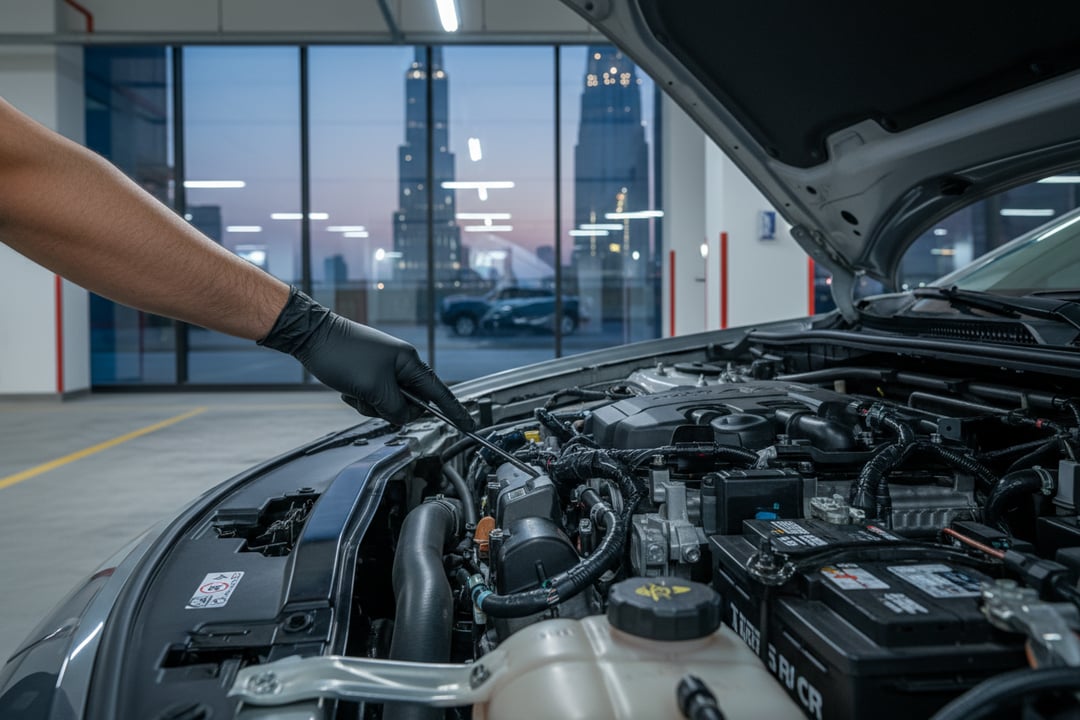
The engine bay of a used Hyundai requires a thorough examination to ensure it is not hiding silent killers. Start by checking for signs of oil leaks around the valve cover gaskets and the oil filter housing, which are common failure points. A burnt smell or smoke during startup indicates overheating issues or blown head gaskets, both of which are expensive to rectify.
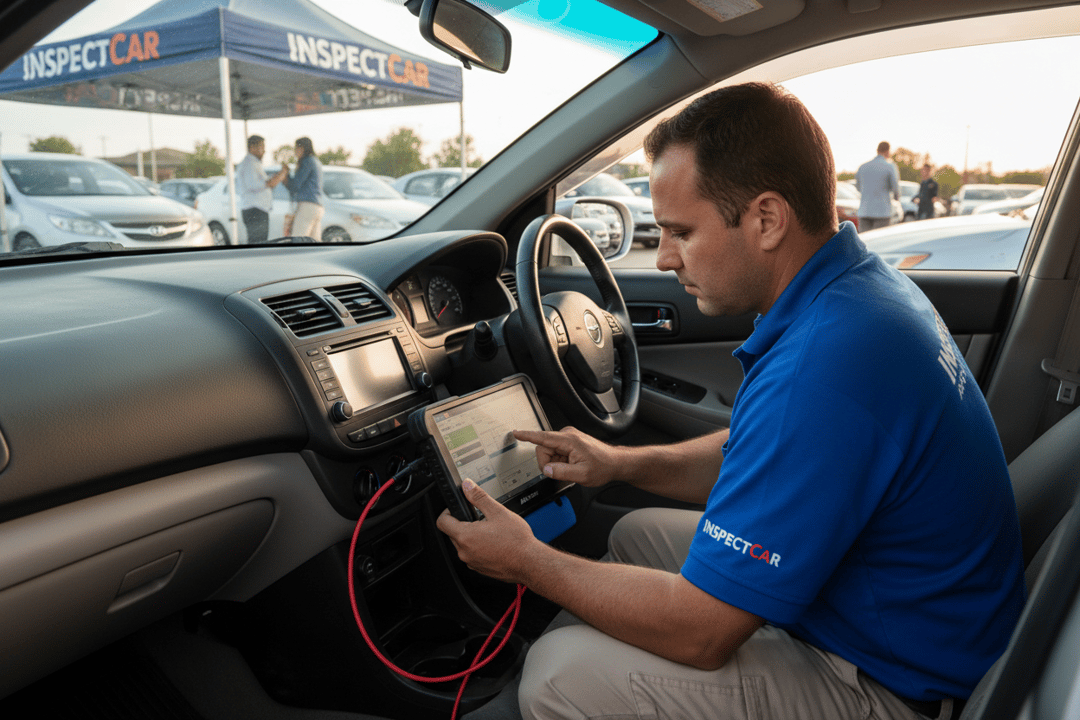
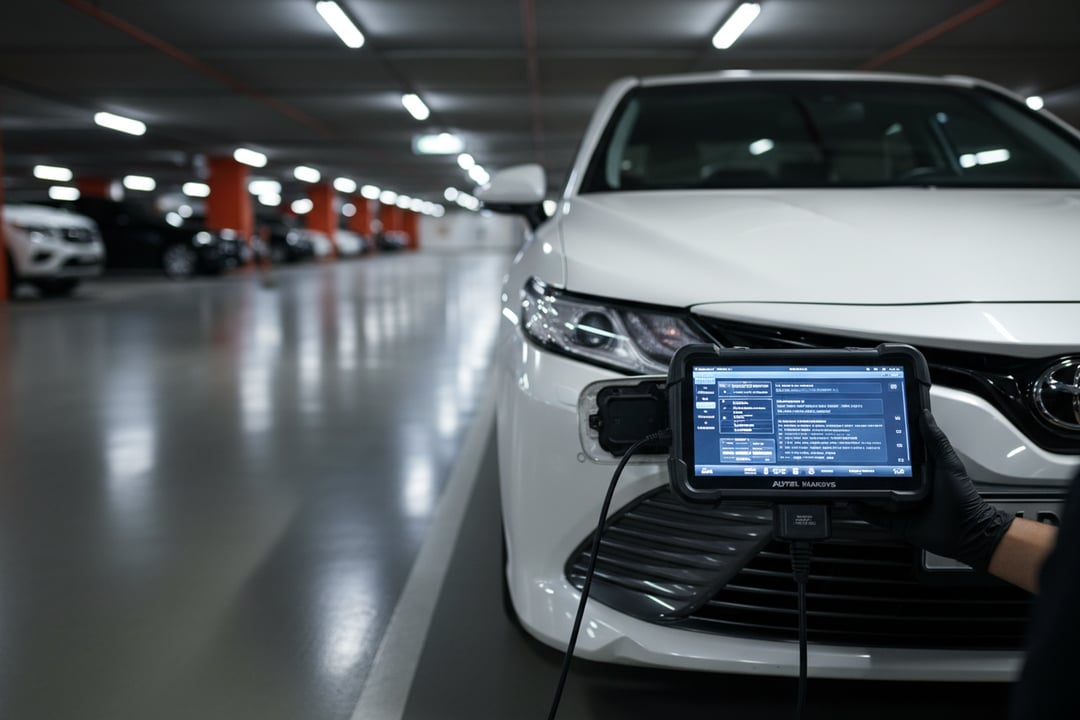
Electronic diagnostics are non-negotiable. Modern Hyundai vehicles rely heavily on computer modules to manage engine and transmission functions. A pre-purchase inspection must include a full OBD scan to retrieve error codes related to the engine, transmission, ABS, and airbag systems. Without this step, you risk purchasing a vehicle with a check engine light that indicates pending faults.
Fluid condition is another indicator of engine health. Dark, gritty transmission fluid suggests the car has been driven aggressively or neglected, potentially leading to transmission slippage and costly repairs down the line. Engine oil that looks like coffee or contains metal shavings indicates internal wear that requires immediate attention.
Structural Integrity & Accident History
UAE roads are notorious for potholes and speed bumps, which can inflict structural damage that is not immediately visible. A professional inspection must verify the structural soundness of the vehicle. This involves checking the alignment of the door shut lines and the gaps between panels, which should be consistent.
Inspectors must lift the vehicle to examine the floor pans, rocker panels, and suspension rails for any signs of welding or corrosion. Even a minor collision can compromise the structural rigidity of a vehicle, affecting handling and safety. Paint thickness readings are essential to identify areas that have been resprayed. Original paint indicates that the car has not suffered major collision damage. Discrepancies in paint thickness are a red flag that requires further investigation.
For a detailed assessment of these structural risks, a comprehensive inspection covering 250+ categories is recommended.
Safety Systems: Brakes, Suspension, and Tires
Braking performance is critical for safety, especially in stop-and-go traffic. Inspectors assess the brake pad percentage rating to determine how much life remains. Worn brake pads can damage rotors, leading to a sudden increase in service costs. The condition of the ABS sensor and the brake fluid level must also be verified to ensure the safety systems are functioning correctly.
Suspension components, including shocks, struts, and control arms, bear the brunt of the road surface. Signs of failure include excessive body roll when cornering, nose-diving when braking, or a "bouncy" ride. Worn suspension not only affects comfort but also reduces the lifespan of tires. Tires must be checked for their manufacturing date, as rubber degrades over time regardless of tread depth. A tire older than five years poses a safety risk and should be replaced immediately.
Choosing the Right Inspection Service
Not all inspections are created equal. A cursory glance by a mechanic is insufficient for a serious buyer. You need a service that offers a on-location inspection to your doorstep, saving you time and allowing the car to be inspected under the same conditions you will drive it. The inspection should cover body condition, computer diagnostics, and a road test to verify performance.
AutoFay provides a tiered inspection package to suit different budgets and needs. For a quick check, the Computer Diagnostic service costs AED 99, which is ideal for identifying stored error codes. For a standard vehicle condition check, the Body and Computer package at AED 250 covers the exterior, interior, and electronic


0 Comments
No comments yet. Be the first to share your thoughts!