

The used car market in the United Arab Emirates is dominated by Toyota and Honda, with the latter often commanding the highest resale values due to a perceived reputation for reliability. However, the intense UAE climate—characterized by extreme heat, abrasive dust, and high salinity near the coast—places unique stress on these vehicles. A vehicle that ran perfectly in a temperate European climate often hides significant wear and tear when brought to the harsh Middle Eastern environment. Therefore, relying on a visual walk-around is insufficient for a high-value Honda purchase. A comprehensive pre-purchase inspection is essential to uncover the hidden realities of ownership history and current mechanical health, ensuring that the vehicle’s heritage of durability is not compromised by neglect.
The Impact of the UAE Climate on Honda Components
The primary enemy of any vehicle in the UAE is thermal stress, compounded by abrasive particulate matter. High ambient temperatures accelerate the degradation of rubber seals, gaskets, and hoses beneath the hood. A Honda engine may appear clean, but its cooling system components are often working at maximum capacity, leading to potential fatigue over time. Furthermore, the high salinity in coastal areas like Dubai or Abu Dhabi accelerates corrosion on the underbody and chassis, particularly affecting the battery terminals and electrical connectors. Dust accumulation within the engine bay can lead to overheating if the radiator and condenser cores are not cleaned regularly. Inspection protocols must therefore prioritize thermal management systems and corrosion-resistant materials.
- Engine Cooling System: Inspect the radiator, condenser, and hoses for brittleness or leaks. The high AC usage in the UAE places immense load on the cooling system, often leading to premature condenser failure.
- Electrical Systems: Check the battery terminals for corrosion, which is exacerbated by the daily operation of the air conditioning system.
- Underbody Corrosion: Look for rust on the frame rails, particularly in coastal regions where salt spray attacks the metal, potentially compromising structural safety.
Model-Specific Hotspots and Common Faults
Not all Honda models carry the same risk profile in the local market. Different generations and trims have specific mechanical tendencies that become apparent after years of desert driving. Understanding these model-specific issues allows an inspector to focus their attention where it matters most.
The Honda Civic (Gen 8 – 2020 onwards)
The modern Civic is celebrated for its interior technology and handling. However, the capable turbocharged engine found in many trims is susceptible to carbon buildup on the intake valves, a phenomenon known as variable valve timing (VVT) oil control valve clogging. Additionally, the rear suspension arm bushings are a common point of failure. As these bushings degrade, they allow excessive movement in the rear axle, leading to tire cupping and a "floaty" feeling during cornering. The dashboard, made of semi-transparent material, is also notorious for cracking due to prolonged exposure to the intense UV radiation found in the UAE.
The Honda Accord (Gen 8 – 2020 onwards)
While the Accord offers a luxurious ride, the continuously variable transmission (CVT) is the most critical component to inspect. A failing CVT often exhibits a "judder" or shudder during acceleration, particularly when the transmission is hot. This is a structural issue within the transmission belt and usually results in a costly replacement. Oil leaks are also prevalent in older Accords, specifically from the valve cover gaskets and the oil pan. These leaks are rarely catastrophic but indicate that the engine has reached an age where seals are hardening and losing their elasticity.
The Honda CR-V (Gen 5 – 2017 onwards)
The CR-V is a staple of the UAE fleet. Its common mechanical fault is related to the rear suspension. Owners frequently report a clunking or rattling noise over speed bumps, which is typically caused by worn rear subframe bushings or damaged trailing arm bushings. Furthermore, the rear differential can be a weak point; if the fluid has not been maintained or if the car has been used for heavy towing, the differential gears may show signs of wear. The "Honda Sensing" safety suite, while advanced, can sometimes be temperamental, requiring software recalibration after minor impacts.
Prioritizing Inspection Checkpoints
When conducting a thorough examination of a used Honda, certain categories of inspection yield a higher return on information regarding the vehicle's long-term viability. These checkpoints detect issues that are invisible to the untrained eye but will lead to immediate or future expenditure.
Engine Mounts and Vibration
A healthy engine should feel firmly anchored to the chassis. Inspect the engine and transmission mounts for tears, cracks, or excessive fluid leaks. If the mounts are failing, the engine will physically shift during acceleration, causing noticeable vibration through the steering wheel and floorboard. This not only indicates worn parts but also stresses the transmission and driveline components, leading to premature failure.
Brake System Integrity
Due to the high speeds on UAE highways and the prevalence of heavy traffic, the braking system endures significant thermal cycling. Inspect the brake pads and rotors for uneven wear patterns. The inspector should look for the "pad percentage" rating—a metric indicating remaining friction material thickness. Furthermore, listen for a high-pitched squeal, which indicates the brake wear sensors are alerting you that replacement is imminent. A soft brake pedal or excessive travel suggests air in the hydraulic lines or a failing master cylinder.
Fluid Condition Analysis
Transmission fluid is the lifeblood of the drivetrain. Under the hood, the transmission dipstick should reveal a bright red or pink fluid. If the fluid is dark, smells burnt, or appears granular, it indicates the transmission has been overheated or neglected. For Hondas with CVT transmissions, burnt fluid is a definitive sign of imminent transmission failure and should be a deal-breaker for the buyer. Engine oil should be checked for milkiness, which suggests a blown head gasket allowing coolant to mix with oil.
Electrical Diagnostics (OBD Scan)
Modern Hondas rely on complex electronic control units to manage engine performance. A visual inspection cannot detect a misfire that is only occurring under light load. Connecting to the vehicle's On-Board Diagnostics (OBD) port is crucial to retrieve stored error codes. A scan should reveal the vehicle's history, including whether the airbag light has been reset after an accident or if there are pending codes related to the catalytic converter or oxygen sensors.
The Value of Professional Inspection Packages
Attempting to inspect a vehicle alone often results in overlooking critical structural or cosmetic defects that depreciate the car's value. A professional inspection service utilizes a standardized checklist to ensure no detail is missed. This systematic approach is vital for avoiding the purchase of a vehicle with a "salvage" or "repaired" history that might otherwise pass a casual glance.
On-location inspection services bring the expertise to the seller's location, saving time and ensuring the vehicle is inspected under the same conditions in which it will be driven. By utilizing high-definition photography and a detailed written report, the buyer receives an objective assessment of the vehicle's condition. The service covers a vast array of checks, from body panel alignment to frame rail integrity, providing a complete picture of the car's physical state.
| Inspection Package | Service Details | Price |
|---|---|---|
| Computer Diagnostic | Scanning engine, transmission, ABS, and airbag systems for active and stored error codes. | AED 99 |
| Body & Computer | Full body paint analysis, panel-by-panel checking for original paint, repairs, or accidents Order Your Honda Inspection Certificate with AutoFay - From AED 299 Our inspector comes to your vehicle across all 7 UAE emirates. Same-day digital inspection report. Share:  Related Articles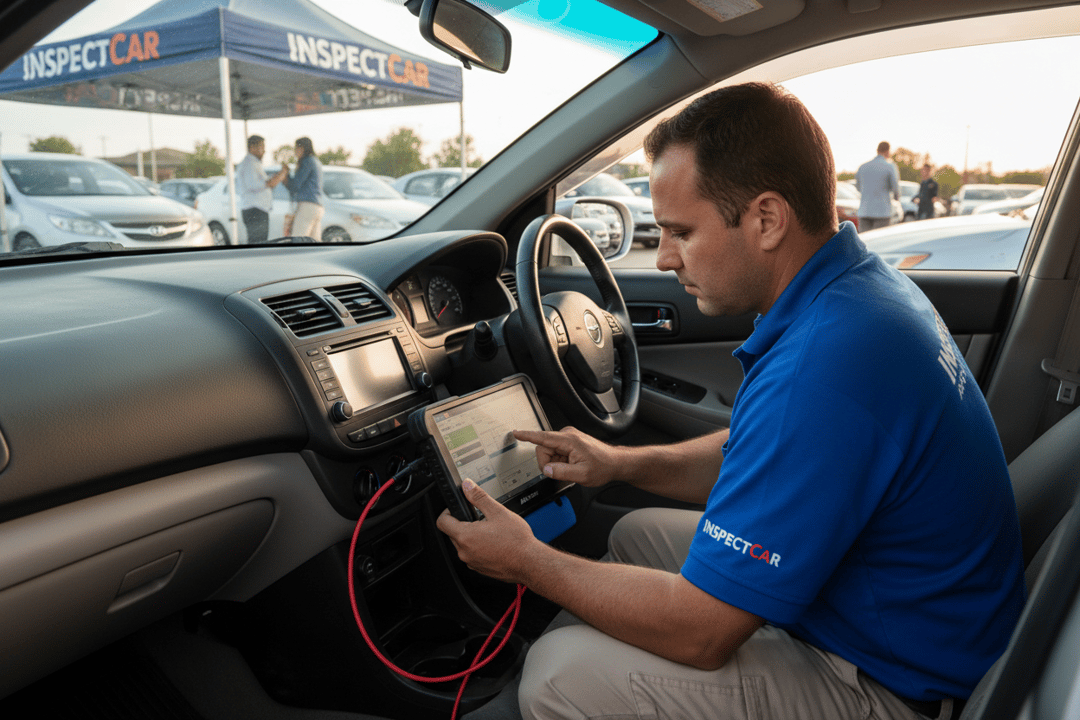 inspection-guide OBD Scanner Report: 8-Point Diagnostic Code Check for UAE Used CarsEvery modern car logs every fault it has ever had, and most sellers clear those codes ten minutes before a viewing. A proper OBD scan does not just read the live faults; it reads the history that should still be there, the readiness monitors that prove a recent code-clear, and the freeze-frame data that exposes hidden issues. Here are the 8 OBD checkpoints we run on every AutoFay inspection using a dealer-grade Autel MaxiSys MS909. 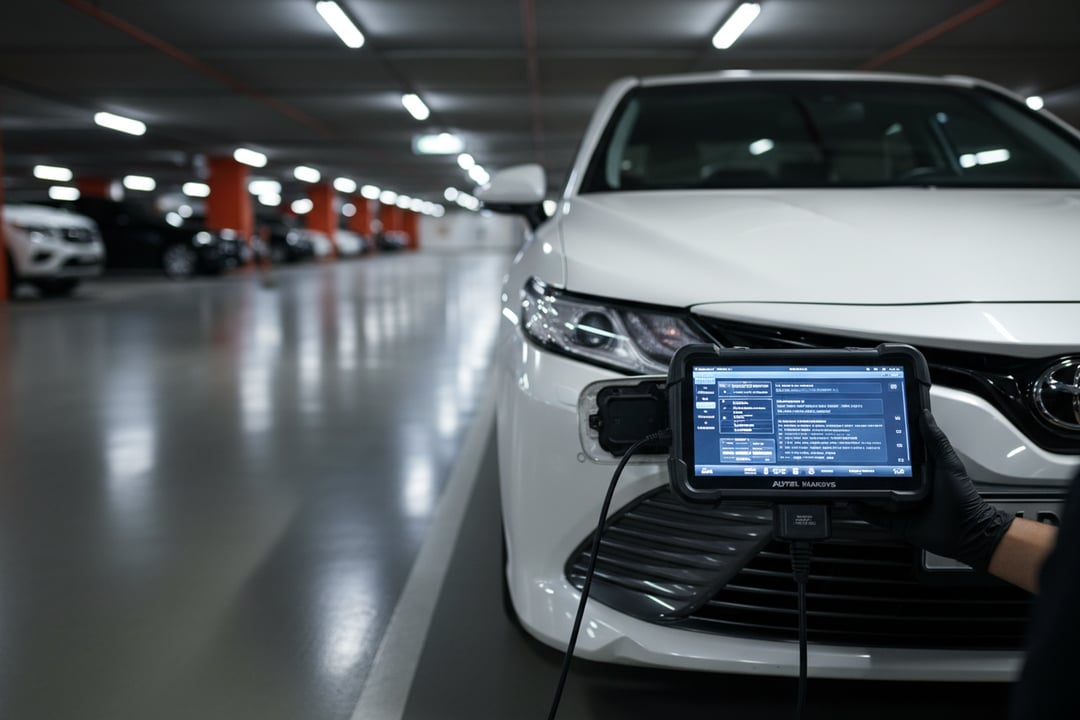 Inspection Guide Inspecting Stored Used Toyota: Key Issues and Inspection PrioritiesThe UAE market frequently sees vehicles that have remained stationary for extended periods due to importation, seasonal usage, or business closure. While...  Inspection Guide Rain Season Check for Used Toyota UAE: Model Issues & PrioritiesThe shift from the scorching heat of summer to the unpredictable drizzle of the UAE’s rainy season requires vehicle owners to reassess their car’s...  Inspection Guide Road Trip Prep for Used Toyota in UAE: Inspection ChecklistPreparing a used vehicle for a long-distance journey in the United Arab Emirates requires a systematic approach. The intense desert heat, high highway... |
0 Comments
No comments yet. Be the first to share your thoughts!