
Nissan vehicles are ubiquitous across the UAE market, ranging from the ubiquitous Patrol and Patrol 4x4 to the popular Sentra and Altima. However, the sheer volume of used Nissans means a significant percentage have endured accidents. A visual inspection is often insufficient to uncover the structural compromises or hidden electrical faults that follow a collision. A post-accident check is essential to prevent the purchase of a vehicle with compromised safety or catastrophic future failure. This guide details the specific risks associated with used Nissans in the region and outlines a professional inspection protocol.
Model-Specific Risks in the UAE Market
Nissan models popular in the UAE possess specific mechanical traits that make them vulnerable to post-accident complications. The Nissan Patrol and Pathfinder, favored for their off-road capabilities, often suffer from sub-frame snapping or steering rack misalignment following minor front-end impacts. The Nissan Qashqai, a common family hauler, frequently exhibits frame rail distortion due to the immense torque placed on unibody structures during off-road excursions. Furthermore, high-performance models like the GT-R or Skyline, prevalent in the UAE enthusiast scene, are frequently modified and crashed, leading to suspension geometry failures that are difficult to detect without a teardown.
Common Post-Accident Faults and Severity Matrix
Understanding the specific failure points associated with Nissan models helps prioritize inspection resources. The following table details common issues encountered in the UAE market and their potential impact on vehicle safety.
| Component / System | Nissan Model Vulnerability | Impact if Unrepaired |
|---|---|---|
| CVT Transmission | Altima, Sentra, Rogue | Transmission failure can render the vehicle undrivable, requiring total replacement. |
| Oil Pan & Drain Plug | Patrol, Pathfinder | td>Oil leaks lead to engine failure and fire hazards if not addressed immediately.|
| Frame Rail / Pillar | Qashqai, X-Trail | td>Structural loss leads to poor handling, tire wear, and airbag deployment failure.|
| ABS & Brake Sensors | High mileage Nissans | td>Hydraulic pressure loss can cause complete brake failure during emergency stops.|
| SRS (Airbag) Module | Front impact vehicles | td>Airbags will not deploy in a subsequent accident, negating vital safety protection.
The "Must-Check" Categories During Inspection
A professional inspection must scrutinize specific areas that are frequently overlooked during casual vehicle viewing. The inspection should begin with a Body and Paint assessment to determine if panels have been replaced or repaired. A panel-by-panel review is necessary to identify mismatched paint codes, rough edges, or bondo residue. Inspectors must verify that doors, hood, and trunk close with even gaps and that there are no misalignments suggesting previous structural work.
Next, the inspection must evaluate the Frame and Chassis integrity. The rails, pillars, and floor pan are critical for occupant safety. In many Nissans, the engine mounts are integral to the sub-frame; if the engine bay has been forced open, the mounts may have cracked or shifted. A experienced inspector will check for unusual gaps between body panels or the hood lining, which can indicate a bent frame rail.
Evaluating Electronics and Safety Systems
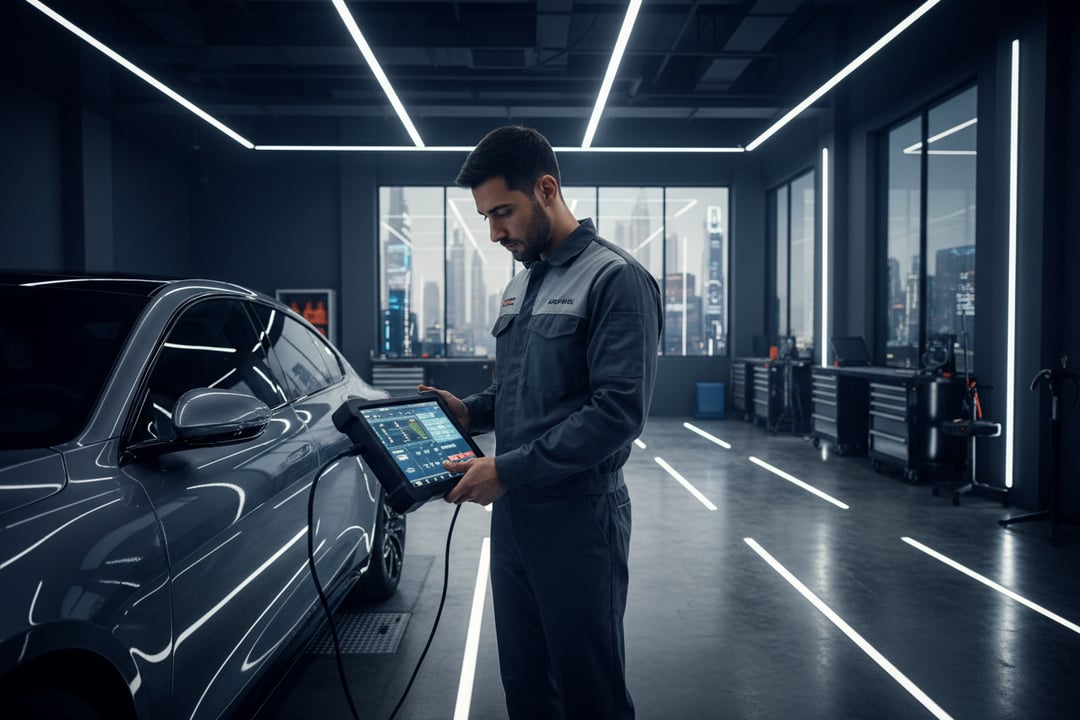
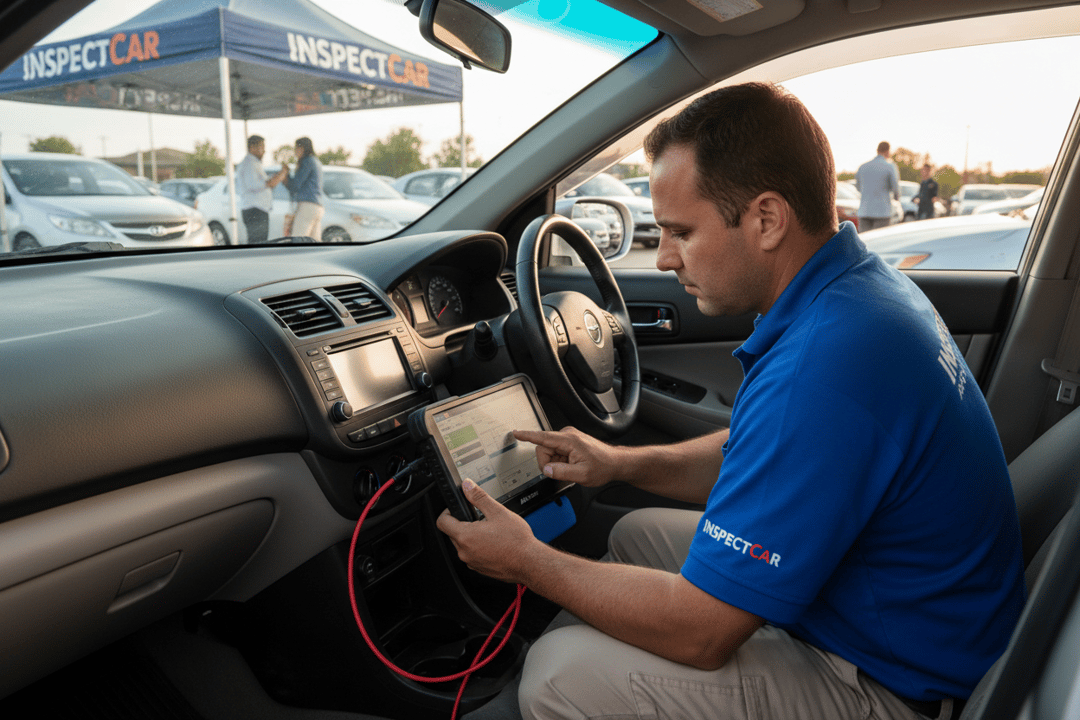
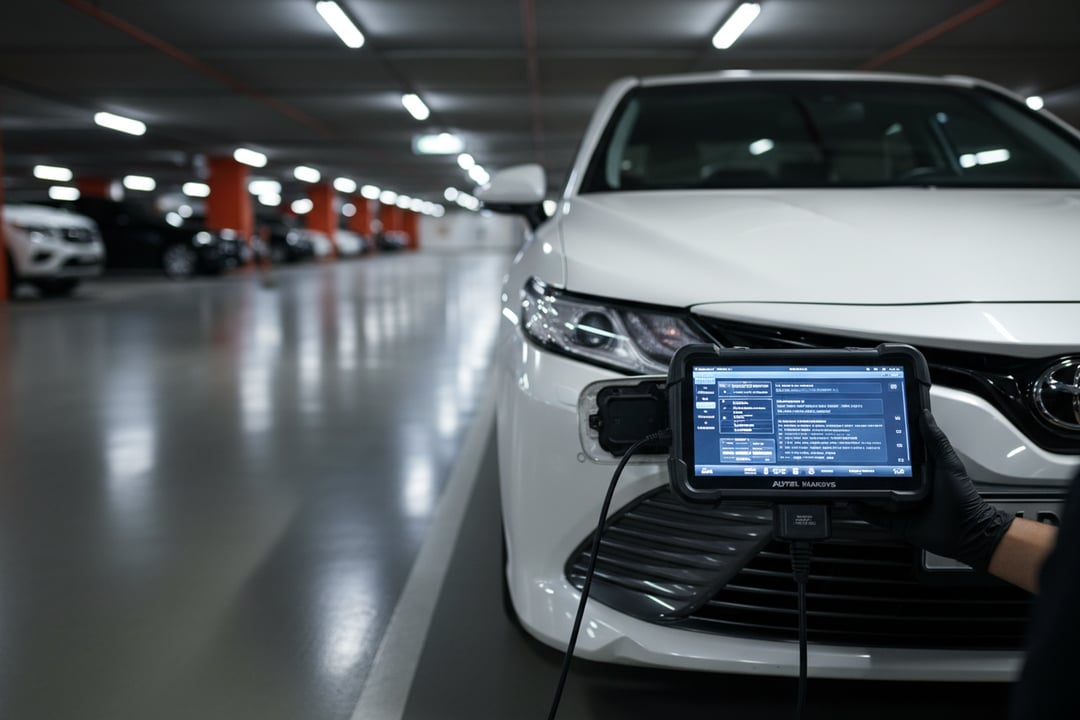
Nissan vehicles rely heavily on complex electronic architectures that can be disrupted by the physical shock of an accident. The OBD scan is non-negotiable for post-accident vehicles. Even if the Check Engine Light is off, the computer may retain "freeze frame" data from the collision or stored fault codes for airbag modules and ABS sensors. Inspectors must look for intermittent electrical faults, such as flickering dashboard lights or flickering interior lighting, which often stem from wiring harness damage behind the dashboard.
The Brake and Suspension systems require immediate attention after a collision. Brake lines may be pinched or kinked, restricting fluid flow. In suspension components, control arms and bushings can be displaced during a front-end impact, causing the vehicle to pull to one side or produce abnormal noises over bumps. Tires should be checked for uneven wear patterns caused by misaligned suspension geometry.
Selecting the Right Inspection Package
Choosing the appropriate inspection tier is crucial for balancing cost and risk mitigation. For a basic pre-purchase assessment, a Computer Diagnostic service is the entry point. This tier scans the vehicle's computer systems for hidden error codes that a standard driver cannot access. This helps identify engine or transmission faults that may have been triggered by the accident.
For accident vehicles, a Body & Computer inspection is often necessary. This package expands the diagnostic scope to include the vehicle's body structure and electrical systems simultaneously. It ensures that the accident repairs were performed by experienced technicians and that no safety-critical components were bypassed.
The most thorough option is the Comprehensive Inspection. This service covers the full 410+ checkpoints across 25 categories. It includes a detailed road test, fluid analysis, and a panel-by-panel body assessment. This level of scrutiny is the only way to confirm that the vehicle's structural safety has not been compromised. The pricing for these services remains competitive and professional:
- Computer Diagnostic: AED 99
- Body & Computer: AED 250
- Comprehensive Inspection: AED 299
AutoFay inspects 410+ checkpoints with HD photos and PDF report. Book at autofay.ae or call +971542584458


0 Comments
No comments yet. Be the first to share your thoughts!