

Used Lexus vehicles hold significant value in the UAE market, prized for their reliability, luxury, and resale potential. However, these vehicles are often involved in low-speed collisions where damage appears cosmetic but causes hidden structural compromise. A standard inspection may miss subtle frame misalignments or software conflicts triggered by an impact. For buyers and sellers in the Emirates, a post-accident check is a mandatory step to uncover the true condition of the vehicle.
The Unibody Challenge and Structural Integrity
Lexus vehicles utilize a unibody construction, meaning the chassis and body panels are fused into a single unit. When a collision occurs, even if the bumper cover is replaced, the structural integrity of the vehicle may be compromised. Inspectors must verify the alignment of the frame rails, door pillars, and floor pans to ensure the car meets original manufacturer specifications. Misalignment can lead to steering pull, uneven tire wear, and accelerated suspension degradation.
Inspecting the door gaps and alignment is the first visual indicator of a repair job gone wrong. A post-accident hammer-and-dolly repair can leave the body twisted. Furthermore, damage to the crumple zones affects the vehicle's ability to absorb energy in a subsequent impact. A thorough inspection goes beyond the surface to ensure the vehicle has not undergone "structural repair," which devalues the car and compromises safety.
Model-Specific Post-Accident Risks
Lexus models have distinct mechanical and electronic profiles, and accidents often expose specific vulnerabilities in each. The Lexus RX is the most common luxury SUV in the UAE; its heavy front bumper and hood often absorb impact energy, pushing stress into the radiator support and core support. An accident here can warp the hood or cause the engine mounts to crack, leading to excessive engine vibration.
The Lexus GS and IS sedans often feature a double-wishbone suspension system, which is complex to realign after a collision. Damage to suspension components like control arms or ball joints in these models requires precise recalibration. Additionally, the V6 engines found in many of these models are sensitive to oil leaks; accidents often damage the valve cover gaskets or oil pan seals during the repair process.
- Oil Leaks and Consumption: Post-accident repairs sometimes compromise gaskets. In models like the RX350, low oil levels can lead to catastrophic engine failure.
- Timing Chain Tensioners: Older Lexus V6 engines are known for timing chain issues. Severe impacts can shift engine mounts, placing unusual stress on the timing components.
- Electrical Harnesses: The complex wiring looms in a Lexus are often bundled. Cutting into interior panels for repairs can damage sensors that control the cabin, engine, or transmission.
Electronic Systems and Computer Diagnostics
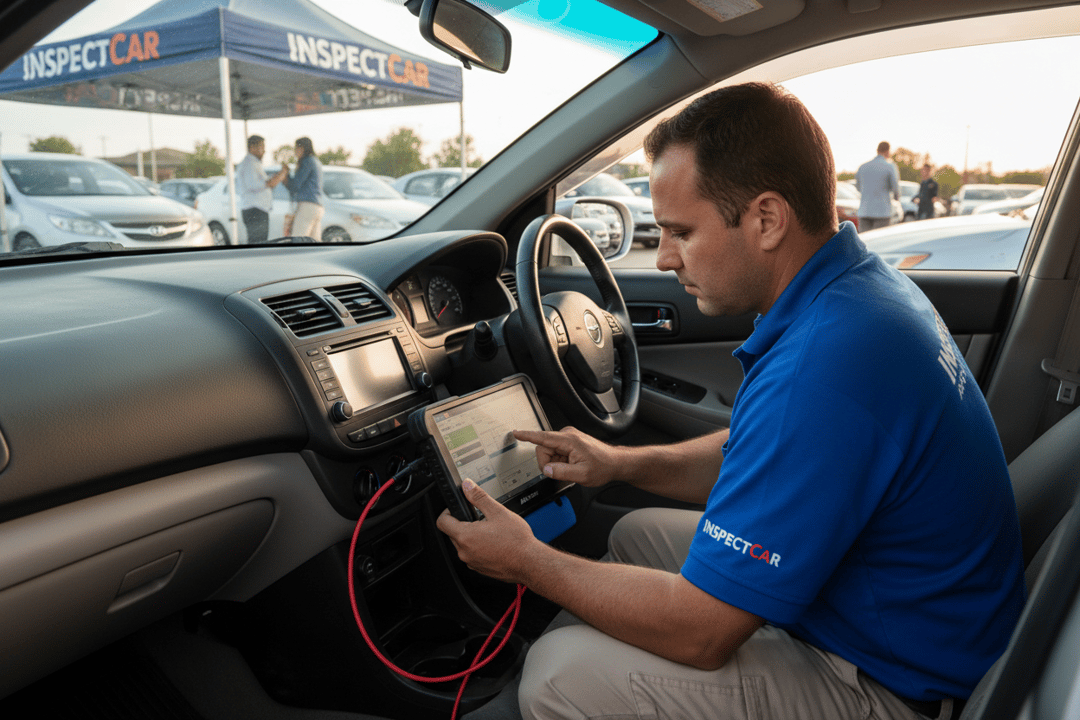
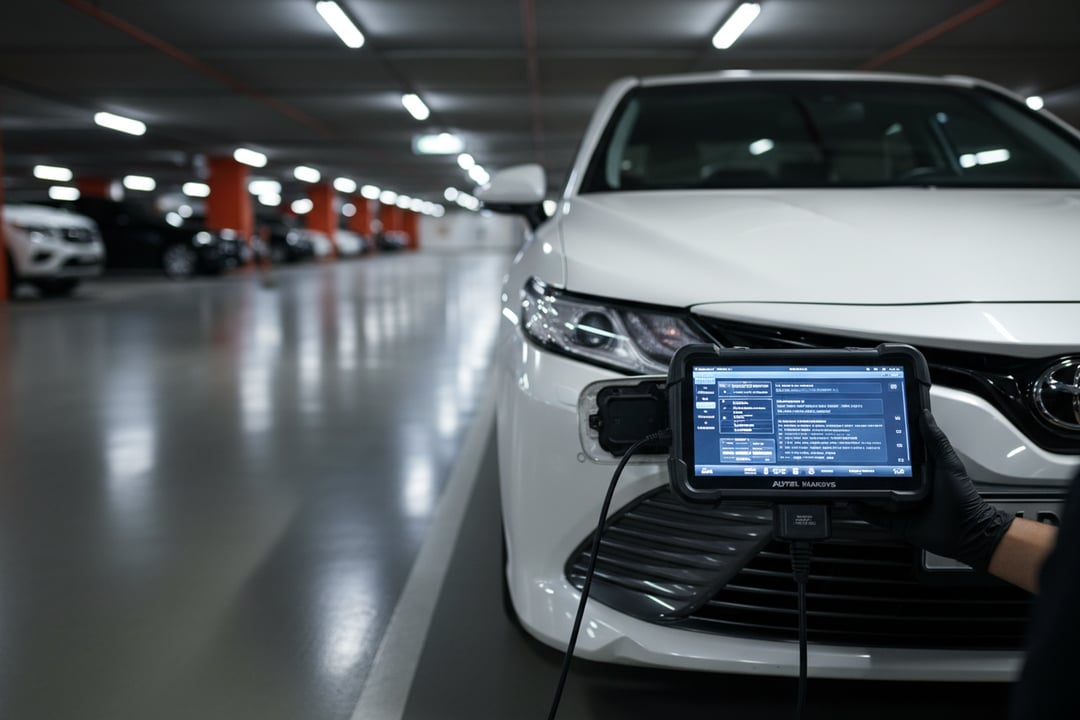
Modern vehicles are computers on wheels. An accident can trigger airbag modules, ABS sensors, or ECU (Engine Control Unit) errors that do not manifest immediately. Ignoring these codes leads to warning lights on the dashboard and potential system failures. The computer diagnostic is the most critical tool for a post-accident inspection to ensure all safety systems are functioning correctly.
Specifically, the airbag system must be checked. Deployment can occur even in minor rear-end collisions due to the G-force required to inflate the bag. If the airbag has been deployed and replaced, the SRS (Supplemental Restraint System) computer must record the event correctly. A failed OBD scan can hide these issues, leaving the driver unaware of a potentially dangerous safety hazard.
Suspension, Tires, and Brakes
Suspension components act as the bridge between the road and the unibody chassis. After an accident, the suspension is the first part of the car to show symptoms of frame damage. Inspectors must check for bent control arms, broken stabilizer links, and leaks in the strut mounts. A vehicle with a bent subframe will pull to one side and display uneven tire wear.
The braking system is also vulnerable during a collision. Impact can warp brake rotors or damage calipers, leading to vibrations during braking or a soft brake pedal. Inspectors rate brake pads based on thickness and wear patterns. Uneven wear on the tires is a dead giveaway that the alignment is off, a direct consequence of unseen frame damage.
Choosing the Right Inspection Package
Selecting the correct level of inspection is essential given the severity of post-accident damage. Different packages address different layers of complexity, from software checks to physical structural analysis. Buyers should prioritize packages that cover both computer diagnostics and physical body assessment to avoid hidden surprises.
| Package | Price (AED) | Service Scope |
|---|---|---|
| Computer Diagnostic | 99 | Engine, Transmission, ABS, and Airbag code scanning. |
| Body & Computer | 250 | Panel-by-panel paint inspection, OBD scan, and frame checking. |
| Comprehensive | 399 | Full 410+ checkpoint including fluids, suspension, tires, and road test. |
The comprehensive package is recommended for any vehicle with a history of collision. It covers a wide range of categories, ensuring no aspect of the vehicle is overlooked. Investing in a higher-tier inspection can save thousands in future repairs by identifying the severity of the damage before purchase.
Fluids and Under-Carriage Inspection
Fluids provide a window into the health of the vehicle's internal components. During a post-accident inspection, technicians should check the fluids for contamination. Engine oil should be clear and amber; milky or dark oil indicates coolant leaks or internal engine damage. Power steering fluid should be bright red; a burnt smell suggests the pump has overheated due to a recent impact.
The under-carriage view is often neglected during standard checks but is vital for accident vehicles. Mechanics must look for leaks from the oil pan, transmission cooler, or differentials. Additionally, the condition of the brake fluid is critical; water contamination lowers the boiling point, which can be dangerous during hard braking maneuvers.
AutoFay inspects 410+ checkpoints with HD photos and PDF report. Book at autofay.ae or call +971542584458.


0 Comments
No comments yet. Be the first to share your thoughts!