

Purchasing a used vehicle in the UAE that has sustained collision damage requires a disciplined, forensic approach. Kia vehicles, known for their robust engine architecture and value proposition, are common in the second-hand market. However, structural compromises often go undetected by the untrained eye. A post-accident vehicle presents specific risks regarding occupant safety and long-term mechanical reliability. Inspecting these vehicles involves looking beyond cosmetic repairs to identify latent failures in the chassis, electronics, and drivetrain. Without a rigorous diagnostic process, a buyer inherits the risk of future catastrophic component failure or compromised safety systems. This guide details the critical checkpoints and model-specific liabilities to prioritize during a post-accident inspection.
Structural Integrity and Safety Cage Analysis
The chassis of a modern vehicle is rarely a separate frame; it is a unibody construction where the floor, pillars, and hood are welded into a single unit. In a Kia, the structural rails and A, B, and C-pillars are designed to crumple in a specific manner to absorb impact energy. When repairs are rushed or performed by unexperienced technicians, these crumple zones may be straightened improperly. This alters the vehicle's center of gravity and can cause the airbag sensors to misfire during a subsequent accident. A compromised frame can lead to uneven tire wear, poor handling, and reduced cabin space.
Inspectors must verify that the door openings are square and that the gaps between panels are consistent. Misalignment in the door jambs often indicates that the frame was twisted during the impact. Furthermore, the roof rail, which supports the airbag system, requires certification to ensure it has not been deformed. If the roof has been cut or altered to accommodate a sunroof or roof rack, the structural rigidity of the vehicle is permanently diminished.
Identifying Hidden Pillar Damage
The B-pillar (the vertical pillar behind the front door) is the most common area where frame damage occurs. In many Kia models, the B-pillar houses the rear pillar reinforcement and the connection points for the side curtain airbags. If a side impact occurred, the pillar may have buckled inward. This inward bending can trap the curtain airbag mechanism, preventing it from deploying correctly. Inspectors must check for paint overspray on the pillar seams and look for signs of welding that might have distorted the metal geometry.
Rust and Corrosion at Weld Points
After an accident, steel is often cut, heated, and rewelded. In the humid climate of the UAE, welding points are susceptible to accelerated corrosion. This is particularly true for the floor pan and the rocker panels. A professional inspection will look for bubbling paint or a white powdery residue at the weld joints, which signals the start of galvanic corrosion. If the vehicle has been in a flood or high-chloride environment, these repairs may fail prematurely, leading to rust-through and structural weakening.
Powertrain Stability and Mount Integrity
An accident exerts violent forces on the engine and transmission mounts. These mounts are rubber or hydraulic dampers designed to isolate the powertrain from the chassis. When an impact occurs, the mounts can shear, crack, or completely detach. A detached engine mount allows the engine to shift violently, causing excessive vibration, noise, and misalignment of the accessory belts. This misalignment can cause the alternator and power steering pump to fail prematurely, leading to a loss of electrical power or steering assist.
In Kia vehicles, the CVVT (Continuously Variable Valve Timing) system is sensitive to engine position. If the engine is not perfectly aligned, the timing chain tensioner may not function correctly, leading to slapping noises or catastrophic engine failure. The inspection must include a road test to listen for excessive clunking when accelerating or decelerating, which indicates a broken engine or transmission mount.
Fluid Contamination and Leaks
Collision damage often punctures fluid reservoirs or ruptures hoses that are hidden behind the bumper or radiator support. A leaking transmission fluid line can cause the transmission to overheat, leading to slipping gears and internal mechanical damage. Similarly, power steering fluid leaks are common in front-end impact scenarios where the rack and pinion or the lines have been pinched. Inspectors must check the ground beneath the vehicle and review the dipstick levels for all fluids, including engine oil, coolant, and brake fluid. Milky residue on the engine oil dipstick indicates coolant contamination, which is a critical failure point that requires immediate repair.
The Importance of Computer Diagnostics
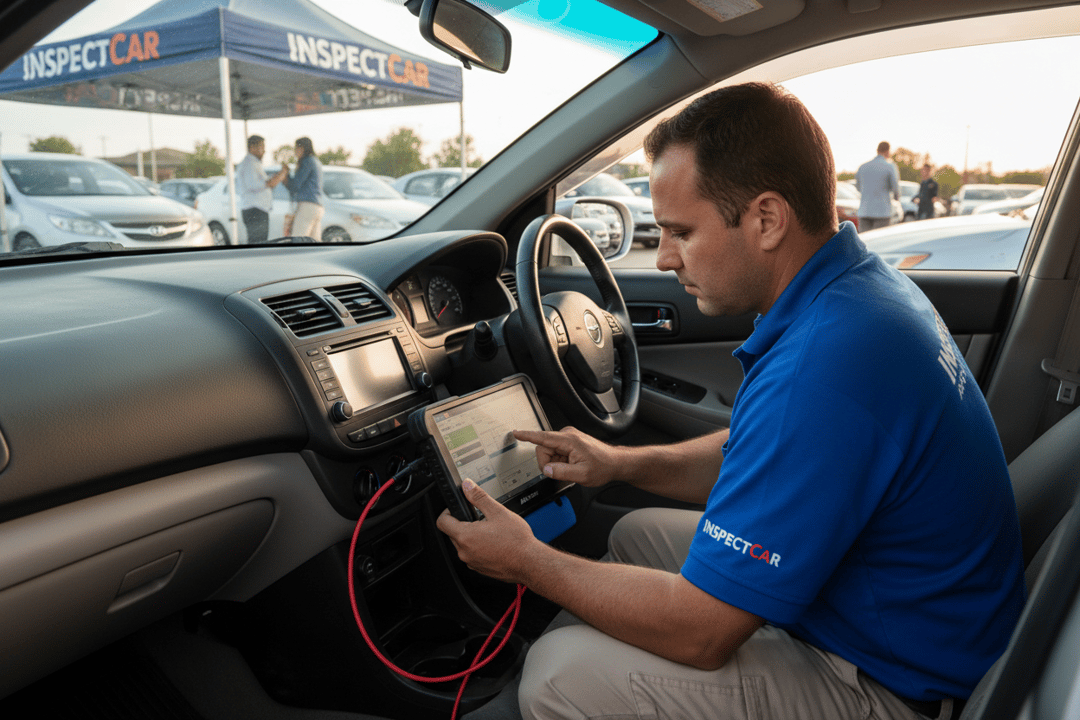
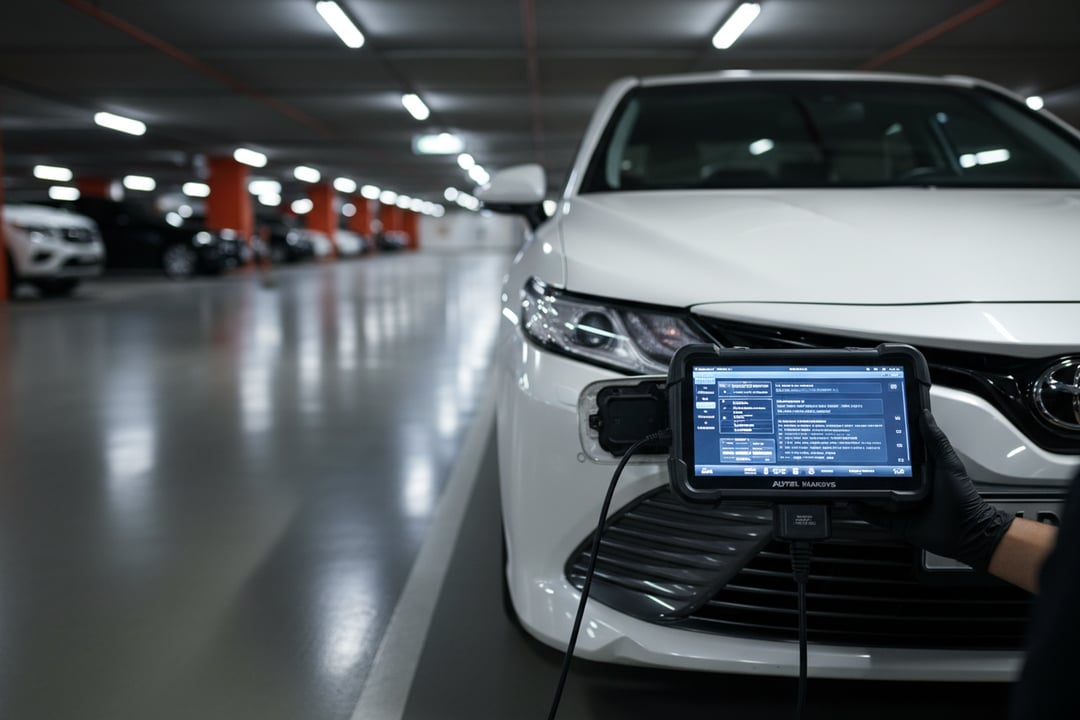
Modern Kias are heavily reliant on electronic sensors. An impact can damage sensors buried in the bumper, fenders, or suspension components. Even if the vehicle appears to run smoothly, the check engine light or ABS light may be suppressed. A standard OBD scan is not enough; a comprehensive diagnostic must target the ABS module, the SRS (Supplemental Restraint System) module, and the airbag sensors. A stored crash code in the SRS module indicates that an airbag has deployed or a sensor has registered a high G-force impact, even if the airbags did not physically deploy. Ignoring this data voids the vehicle's safety warranty.
Electrical Systems and SRS Complexity
The electrical architecture in modern vehicles is a spiderweb of sensors and modules. Post-accident inspections must prioritize the wiring harness, specifically in areas that were subjected to high impact forces. The dashboard and steering column are common points of damage. If the SRS (airbag) system was triggered, the impact may have damaged the clock spring inside the steering wheel, preventing the airbag from deploying in the next accident. Replacing the clock spring is a labor-intensive task that requires the airbag system to be properly calibrated.
ABS and Stability Control
Anti-lock Braking System (ABS) sensors are mounted on the wheel hubs. In a collision involving the front or rear bumper, these sensors can be knocked out of alignment or damaged. Without a functioning ABS module, the vehicle loses its ability to prevent wheel lockup during emergency braking, significantly increasing stopping distances. The inspection must verify that the ABS light turns off after the engine starts and that there are no error codes related to wheel speed sensors.
Suspension, Steering, and Tire Wear
Steering and suspension components connect the wheels to the chassis. In an accident, control arms, tie rods, and ball joints can be bent. A bent tie rod ends can cause the vehicle to pull to one side, making it difficult to drive in a straight line. This misalignment not only decreases fuel efficiency but also accelerates tire wear, potentially leading to a blowout at high speeds. Inspectors must check for play in the steering wheel (excessive looseness) and listen for knocking sounds when driving over bumps.
Brake System Assessment
Brake lines are often routed near the front bumper or radiator support. Impact forces can crush these lines, causing intermittent leaks or total fluid loss. The brake calipers themselves can be damaged if the impact occurred at the wheels. A compromised brake system is the most immediate safety hazard. The inspection must include a visual check of brake rotors for scoring or warping and a measurement of brake pad thickness. A score of less than 50% pad life indicates immediate repair is required before the vehicle can be driven safely.
Tire Condition and Age
Due to the stress of the accident, the four tires may have been subjected to abnormal forces. The alignment change induced by a bent suspension member will wear the tires unevenly. Inspectors must check the manufacturing date of the tires. In the UAE, tires older than three years old are considered unsafe due to the degrading rubber compound in high temperatures. Even if the tires look new, a sidewall bulge indicates a structural failure caused by a pothole or impact during the accident.
Service Packages for Post-Accident Verification
To accurately assess a post-accident Kia, a buyer must hire a licensed inspection service that utilizes professional-grade equipment. Generic checks are insufficient for identifying the nuanced damage common in collision repairs. Autobay provides specialized on-location inspection services across all seven Emirates, utilizing a rigorous methodology that covers over 410+ checkpoints. These inspections utilize computer diagnostics to read hidden error codes and physical checks to validate the integrity of the bodywork and frame.
The inspection process is categorized into specific modules to ensure all aspects of the vehicle are verified. The following table outlines the available service packages, detailing what each level of inspection covers to help you determine the necessary depth of analysis for the vehicle in question.
| Inspection Package | Price (AED) | Key Components Covered |
|---|---|---|
| Computer Diagnostic | 99 | Engine, Transmission, ABS, Airbag (SRS) codes. Checks for hidden electronic faults introduced by the accident. |
| Body & Computer | 250 | Includes Computer Diagnostic plus a detailed visual inspection of Body/Paint, Frame, and Suspension. |
| Comprehensive | 399 | Full 410+ checkpoint inspection covering Fluids, Tires, Road Test, Brakes, and a detailed PDF report with HD photos. |
Why Professional Inspection is Non-Negotiable
Attempting to assess a post-accident vehicle without professional tools often leads to misinterpretation of minor scratches as major damage or missing critical safety failures. The "Body & Computer" package at AED 250 offers a balanced approach for most used cars, combining the necessary electronic scanning with a visual frame check. However, for high-value Kias or those with significant structural repairs, the "Comprehensive" package at AED 299 provides the granular detail required to verify that repairs were performed to industry standards.
On-location inspection services allow the inspector to assess the vehicle in its natural environment. This is crucial for a road test, where you can verify acceleration, braking noise, vibration, and steering response. A vehicle that looks perfect in the showroom may exhibit significant drivability issues during a test drive that reveal hidden accident damage.
AutoFay inspects 410+ checkpoints with HD photos and PDF report. Book at autofay.ae or call +971542584458


0 Comments
No comments yet. Be the first to share your thoughts!