
Hyundai vehicles have secured a significant foothold in the UAE automotive market due to their reliability, fuel efficiency, and modern aesthetics. However, the region's harsh climate and the prevalence of high-speed driving increase the likelihood of accidents, making the purchase of a pre-owned vehicle a complex undertaking. When a Hyundai has been involved in an incident, the damage is frequently superficial, masking structural compromise that renders the vehicle unsafe or uneconomical to operate. A post-accident inspection requires a forensic eye to separate cosmetic blemishes from critical mechanical failures that could lead to catastrophic breakdowns or safety hazards on the road. This guide details the specific areas of concern for Hyundai models, highlighting common faults and the priorities for a rigorous inspection.
The Critical Role of Structural Integrity
The first phase of any post-accident assessment must focus on the chassis and frame. Most modern Hyundais, including the Tucson, Santa Fe, and Creta, utilize an unibody construction where the body and frame are integrated. Unlike older body-on-frame designs, a compromised unibody creates a domino effect on the vehicle’s geometry, affecting wheel alignment, suspension travel, and steering response. Inspectors must verify that the frame rails have not been bent or twisted during the impact. Even minor deviations from factory specifications can cause uneven tire wear and poor handling characteristics over time.
Pillars and B-pillars are structural load-bearing components that are often damaged in side-impact collisions. A professional inspection involves measuring these pillars to ensure they remain perpendicular to the floor pan. Furthermore, the floor pan integrity is paramount; a dent or crease in the floor can indicate severe undercarriage impact that has compromised the vehicle's rust protection and structural rigidity. If these structural elements have been repaired using non-OEM (Original Equipment Manufacturer) methods or poor-quality welding, the vehicle's safety rating is effectively nullified.
Model-Specific Vulnerabilities in the UAE Market
Different Hyundai models exhibit distinct mechanical characteristics that become problematic following a collision. The Hyundai Tucson, a dominant model in the UAE, is known for its suspension components. After an accident, the upper control arms and ball joints are susceptible to impact damage. A collision can knock these components out of specification, leading to premature wear and unpredictable steering behavior. The Santa Fe, being larger and heavier, places higher stress on its suspension system; thus, any post-accident inspection must rigorously test the shock absorbers and strut mounts for leaks or physical damage.
The Hyundai Creta and i30 are popular for their compact efficiency. These models often suffer from electrical gremlins, particularly around the battery and fuse box areas, which are prone to moisture ingress in the UAE humid coastal areas. Following a minor fender bender, the wiring harness connecting the battery to the fuse box can be pinched or severed, causing intermittent starts and electrical failures. Common faults in these models include oil leaks from the valve cover gasket and timing chain tensioner wear, which become more urgent if the engine has been subjected to the vibrations of a misaligned frame.
Electrical Systems and Sensor Diagnostics
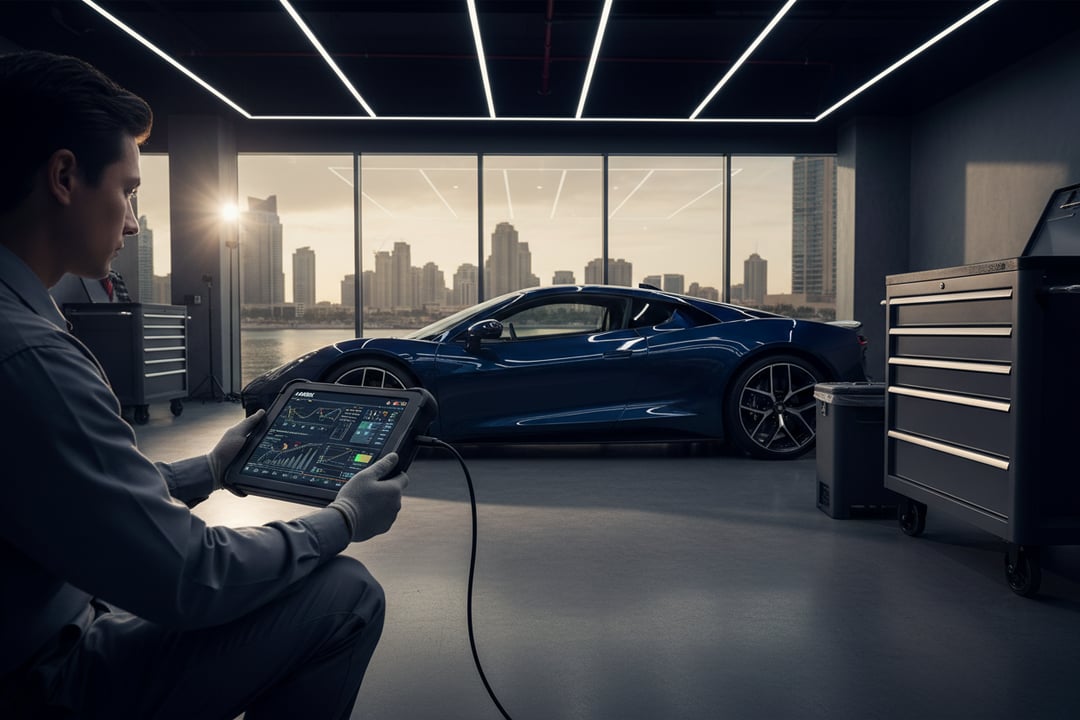
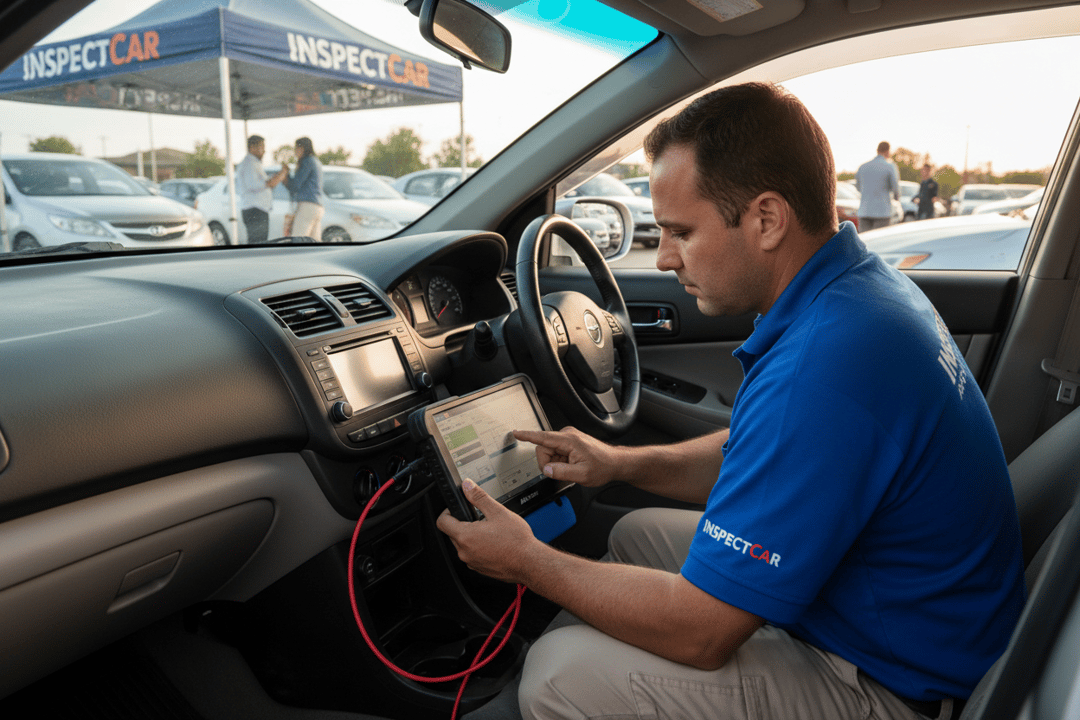
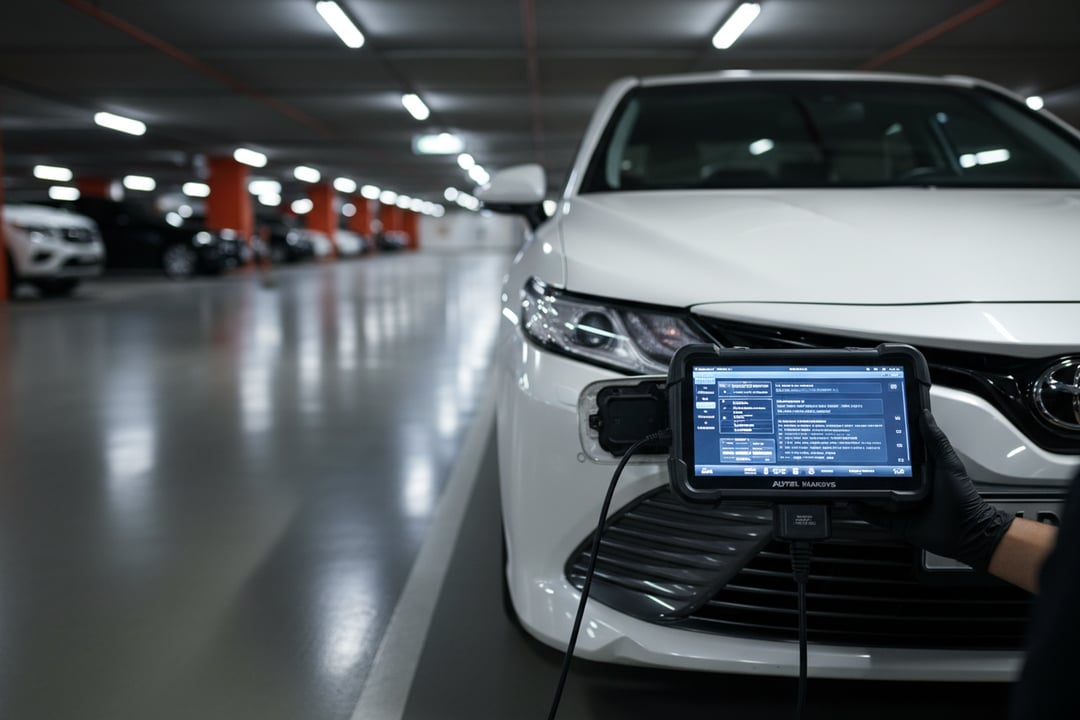
Modern Hyundais are essentially computers on wheels, and accidents are notorious for disrupting their delicate electronic systems. A post-accident check must prioritize the on-board diagnostics (OBD) system. Even if the check engine light is off, hidden faults in the ABS module, airbag (SRS) system, or transmission control unit (TCU) may be logged in the car's computer memory. These faults can prevent the vehicle from passing emissions tests or even disable safety features like anti-lock braking.
Loose or damaged wiring harnesses are a frequent consequence of collision repair. Ground wires, often located in the engine bay or under the dashboard, can become disconnected during impact, leading to erratic behavior from the dashboard lights, power windows, or infotainment systems. In the context of the UAE's heat, degraded wiring insulation can melt and short-circuit, leading to electrical fires. Inspectors should look for signs of "splicing"—where repairs have been made using non-secure electrical tape or butt connectors—which are prone to failure under thermal stress.
Pre-Purchase Inspection Priorities
When evaluating a post-accident Hyundai, inspectors follow a strict hierarchy of risks to determine the vehicle's worthiness. The following table outlines the critical checkpoints that must be addressed to ensure safety and reliability.
| Priority Level | Component Category | Inspection Focus |
|---|---|---|
| Critical | Frame & Structure | Unibody alignment, pillar measurements, floor pan integrity. |
| Critical | Braking System | Pad thickness, fluid condition (water contamination), ABS functionality. |
| High | Suspension & Steering | Tie rod ends, control arms, alignment, power steering fluid levels. |
| High | Engine & Transmission | Oil leaks, mounts, transmission fluid smell, idle smoothness. |
| Moderate | Electrical Systems | Airbag sensors, OBD codes, dashboard warning lights, wiring insulation. |
Brake systems are non-negotiable for safety. Post-accident vehicles often suffer from caliper damage or the displacement of the brake lines. Brake fluid can absorb moisture and become contaminated with metal shavings from worn pads, reducing its boiling point and efficacy. A failure in the braking system directly endicts the driver and passengers to an unacceptable risk level. Furthermore, the suspension geometry must be checked; if the control arms or shock absorbers have been impacted, the vehicle will pull to one side or vibrate excessively at highway speeds.
Why Professional Inspection Matters
Attempting to assess a post-accident vehicle with only a visual walkaround is insufficient. The expertise of a experienced inspector is required to detect "hidden damage" such as cracked cylinder heads or internal transmission failure that manifests only under load. Professional inspection services provide a systematic approach, covering over 410+ checkpoints across 25 distinct categories. This ensures that no aspect of the vehicle's condition is overlooked, from the tiniest scratch to the most complex electronic fault.
Service providers like AutoFay offer specialized packages tailored to these needs. The Computer Diagnostic AED 99 service is the first line of defense, accessing the vehicle's computer to reveal error codes that explain strange noises or warning lights. For a comprehensive evaluation of body integrity and mechanical health, the Body & Computer AED 250 package provides a detailed report on whether repairs were performed correctly. When the stakes are high, the Comprehensive AED 299 package offers the deepest level of scrutiny, utilizing a on-location inspection available across all 7 Emirates to bring the inspection directly to the buyer or seller.
Ultimately, a post-accident Hyundai purchase demands transparency and technical rigor. Cosmetic repairs are easy to hide, but frame damage and electrical faults are permanent liabilities. Relying on a professional inspection ensures that the vehicle's history is fully understood before the keys are handed over. AutoFay inspects 410+ checkpoints with HD photos and PDF report. Book at autofay.ae or call +971542584458.


0 Comments
No comments yet. Be the first to share your thoughts!