

BMW vehicles represent a pinnacle of engineering, yet this complexity creates unique vulnerabilities following a collision. A seemingly minor fender bender can propagate damage through the unibody structure, compromise safety systems, or trigger latent electronic faults. Purchasing a used BMW in the UAE without a rigorous post-accident inspection invites significant risk. The vehicle may appear roadworthy on the surface, while hidden structural compromises or failed safety systems lurk beneath.
Structural Integrity and Frame Damage
BMW vehicles utilize a unibody construction where the frame and body are fused into a single unit. This design optimizes cabin space and crash absorption but makes the vehicle highly sensitive to impact. When a collision occurs, the structural rails—specifically the front and rear crumple zones—absorb energy to protect occupants. If these rails are bent or repaired with subpar welding, the vehicle’s ability to crumple in a future accident is compromised.
Inspectors must verify the integrity of the B-pillars, which connect the roof to the floor pan. Even a slight deviation from factory specifications in these areas can cause severe handling instability and roof collapse during a rollover. A visual inspection is insufficient; a measuring device is required to compare the vehicle’s current geometry against the factory blueprints. Ignoring structural misalignment leads to accelerated tire wear and unpredictable steering response.
- Front and rear frame rails must be straight and free of excessive twisting.
- B-pillars and roof pillars require precise alignment to ensure roof strength.
- Door gaps should be consistent throughout the vehicle, indicating a straight body.
Electronics and SRS Systems
The electrical architecture in BMWs is dense and integrated. A vehicle involved in an accident often suffers from electrical faults that do not trigger the "Check Engine" light immediately. The most critical system to verify is the SRS (Supplemental Restraint System). Airbag modules, seatbelt pretensioners, and impact sensors store crash data and diagnostic codes even after a minor impact.
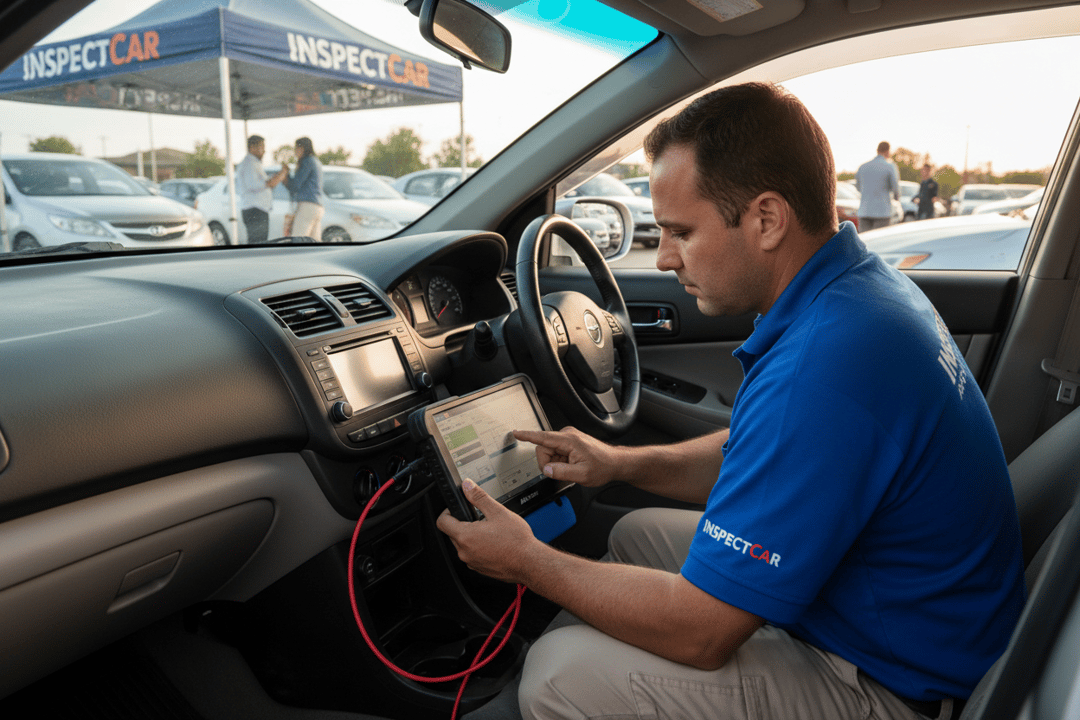
If an airbag sensor is damaged but remains operational, it may deploy unexpectedly during a subsequent maneuver, causing injury and further damage. Conversely, a cracked sensor may fail to deploy when required, negating the safety benefit of the airbag. An OBD scan is mandatory to detect these fault codes. Without a proper scan, a buyer might inherit a vehicle with dead airbags and undetected wiring faults behind the dashboard.
Common Faults Post-Collision
Many BMW models exhibit specific electronic behaviors after being struck. For instance, the E60 5-Series is prone to coolant leaks due to the thermostat housing, which is located near the front bumper. A low-speed impact can crack this plastic housing, leading to engine overheating shortly after purchase. Similarly, the F-series (F10, F30) often suffers from issues with the driver’s door wiring harness, which passes near the door striker. A bent striker compresses the harness, causing intermittent electrical failures in the window regulators and seat memory systems.
Suspension and Steering Geometry
The suspension components on BMWs are engineered for precision handling, not just comfort. Control arms, tie rods, and lower control arms absorb the energy of a collision. Even a slight bend in these parts alters the vehicle’s alignment, known as "toe" and "camber." This change forces the tires to scrub against the road surface rather than rolling smoothly.
Consequences of ignoring bent suspension parts include rapid tire degradation and a steering wheel that pulls hard to one side. Furthermore, the steering rack itself may be compromised. If the tie rods are bent, the connection between the steering wheel and the wheels is severed, creating a dangerous loss of control. Inspectors must perform a road test to listen for abnormal clunking noises over bumps, which often indicate cracked control arm mounts.
The Value of Professional Inspection Packages
DIY checks often miss the nuances required to assess a post-accident BMW. Professional inspection services utilize advanced tools to quantify damage that the naked eye cannot see. AutoFay provides a comprehensive on-location inspection service available across all 7 Emirates, eliminating the need to transport a potentially unstable vehicle to a workshop.
Inspectors evaluate 410+ checkpoints across critical categories, including body integrity, frame alignment, and engine performance. The following table outlines the specialized packages available to target specific risks:
| Package | Price (AED) | Best For |
|---|---|---|
| Computer Diagnostic | 99 | Checking engine, transmission, ABS, and airbag codes after a collision. |
| Body & Computer | 250 | Verifying panel gaps, paint consistency, and electrical faults simultaneously. |
| Comprehensive | 399 | A full vehicle health check including frame, fluids, brakes, and road test. |
Choosing the right package ensures that no component is overlooked. For example, the Body & Computer AED 250 package is often the most critical for accident vehicles, as it addresses the immediate safety concerns regarding electronics and body integrity. The Comprehensive AED 299 package provides the deepest level of scrutiny, assessing everything from brake pad thickness to manufacturing dates on tires.
Engine and Drivetrain Checks
While the body and electronics attract the most attention, the engine compartment requires a thorough inspection post-accident. Impact often dislodges sensors or damages wiring looms connected to the engine. A common issue in BMWs is the low oil pressure sensor. A wiring fault caused by impact can trigger false low oil pressure warnings, leading the driver to panic and shut down the engine, or conversely, ignore warnings and cause catastrophic internal failure.
Inspectors must also examine the engine mounts. A collision that jars the engine significantly can crack rubber or hydraulic mounts. This leads to excessive vibration transmitted into the cabin and misalignment of the engine and transmission, which can cause transmission shifts to feel harsh or delayed. Checking the transmission fluid condition is also vital, as impact can cause internal seal failure in the gearbox.
Conclusion
Assessing a used BMW after an accident requires a forensic approach. Structural alignment, electronic safety systems, and suspension geometry must be verified to ensure the vehicle is safe and legal to drive. Relying on visual impressions is a gamble that often results in costly repairs and safety hazards.
AutoFay inspects 410+ checkpoints with HD photos and PDF report. Book at autofay.ae or call +971542584458.



0 Comments
No comments yet. Be the first to share your thoughts!