
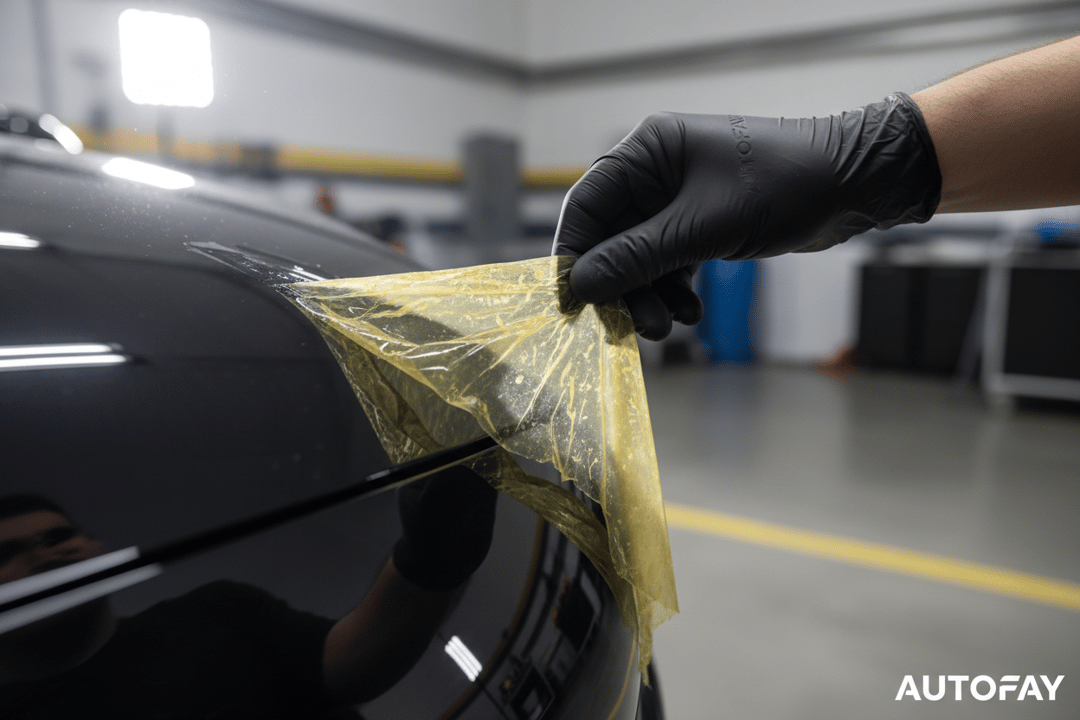
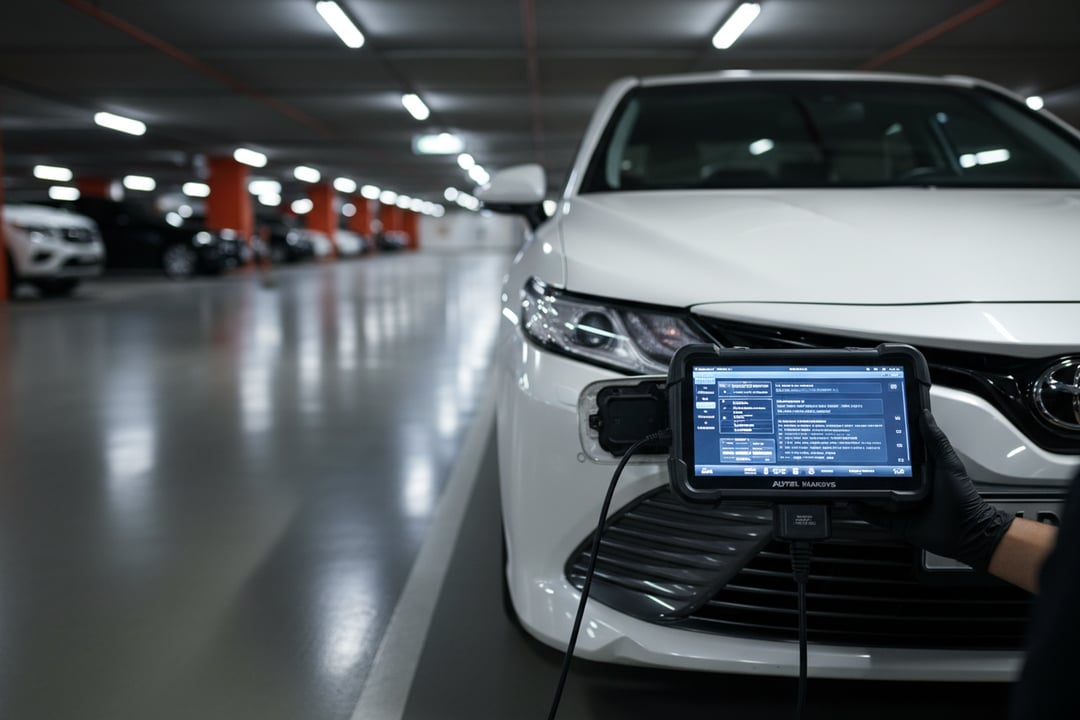
Paint protection film (PPF) is extremely popular in the UAE. The combination of intense UV radiation, sandstorm abrasion, and highway stone chips makes PPF a sensible investment for new car owners. But when it comes time to sell, PPF creates a unique challenge for inspection: it covers the paint surface and can mask underlying damage, previous repairs, or paint quality issues that buyers need to know about.
What PPF Hides From Visual Inspection
AutoFay's body inspection checks each panel for both condition and paint status. Condition is rated from No Visible Fault through Dent, Repainted, Repaired, Scratch, Multiple Scratches, Replaced, to Damaged. Paint is rated as Original, Repainted, or Total Repainted. When a panel is covered in PPF, the film itself may appear perfect while the paint underneath tells a different story. A panel that was repainted before PPF application — perhaps after a minor accident — will look identical to an original panel through the film.
Scratches and paint chips hidden under PPF continue to exist even though you cannot see them through the film. If the car was involved in a minor collision and the damaged panel was repaired and then covered with PPF, the repair quality becomes invisible until the film is removed. Paint thickness under PPF cannot be measured with standard paint depth gauges because the film adds its own thickness to the reading.
Signs of PPF-Related Issues
Aging PPF creates its own set of problems. Film that has been on a car for more than three to five years in UAE sun begins to yellow, bubble, or peel at the edges. Yellowed PPF is particularly noticeable on white vehicles, where the color difference between protected and unprotected areas becomes obvious. Bubbling indicates adhesive failure, often from heat exposure, and when these bubbles are pressed, moisture trapped underneath may have already damaged the clear coat.
Edge peeling allows sand, water, and contaminants to work their way under the film. This creates a worse situation than having no film at all because the trapped debris slowly abrades the paint from below while remaining invisible from above. When inspectors examine a car with old, peeling PPF, they pay extra attention to panel edges — front bumper leading edge, hood front edge, and mirror caps are the most common failure points.
Partial PPF Application: What It May Indicate
Many car owners apply PPF only to high-impact areas — the hood, front bumper, front fenders, and side mirrors. This is standard practice. However, if PPF is applied to random panels — say one door but not the adjacent door, or one quarter panel but not the other — it may indicate that specific panel was recently repainted and the film was applied to blend the new paint with the surrounding original paint. During inspection, panel-by-panel paint assessment helps identify these inconsistencies.
A car where PPF has been recently removed from specific panels is worth investigating further. If the seller removed film from the hood and front bumper but left it on the doors, they may have discovered that those panels had issues when the film was removed and chose to sell rather than address them. Our inspectors check body panel alignment (Good, Slight Misalignment, or Major Misalignment) and paint chips (None through Severe) to evaluate overall paint health.
Frame Inspection Remains Unaffected
Importantly, PPF does not affect the critical structural inspection. Frame condition — bumper support, radiator frame, cross member, front and rear rails, chassis, floor pan, firewall, all pillars, rocker panels, and roof rail — is assessed from underneath the vehicle where no PPF is applied. A car may have perfect-looking PPF on every exterior panel while carrying repaired frame rails or welded structural components from a significant collision. The 27-point frame inspection catches what PPF-covered body panels cannot reveal.
Corrosion and rust ratings are also unaffected by PPF. While the exterior may look pristine under film, the underbody tells the true environmental exposure story. Suspension rust (None, Minor, Moderate, or Severe) and floor pan condition provide the clearest picture of the car's structural health.
Recommendations for Buyers
If you are buying a car with PPF, request that the seller lift a corner of the film on at least the hood and one fender to verify paint condition underneath. If the seller refuses or the film cannot be lifted without damage, factor this uncertainty into your offer. PPF adds value when it is protecting original paint — it adds risk when it is hiding unknown conditions. AutoFay's comprehensive inspection evaluates every accessible indicator of paint and body condition even when PPF is present.
AutoFay inspects 410 checkpoints including panel-by-panel body and paint assessment, with HD photos and a detailed PDF report. On-location inspection across all 7 Emirates. Book at autofay.ae or call +971-54-258-4458.
0 Comments
No comments yet. Be the first to share your thoughts!