

Purchasing a used Sport Utility Vehicle (SUV) in the United Arab Emirates requires a rigorous assessment of mechanical integrity, particularly given the region’s harsh environmental conditions and variable traffic patterns. While visual inspections reveal surface-level wear, the true health of a vehicle lies beneath the dashboard, accessible only through On-Board Diagnostics (OBD) systems. An OBD scanner is the primary tool for reading the Electronic Control Unit (ECU), which acts as the vehicle's central nervous system. For prospective buyers and sellers alike, a robust OBD scanner report provides an undeniable digital trail of the car's history, separating a reliable daily driver from a liability.
The Gateway to Vehicle Health: Understanding the OBD System
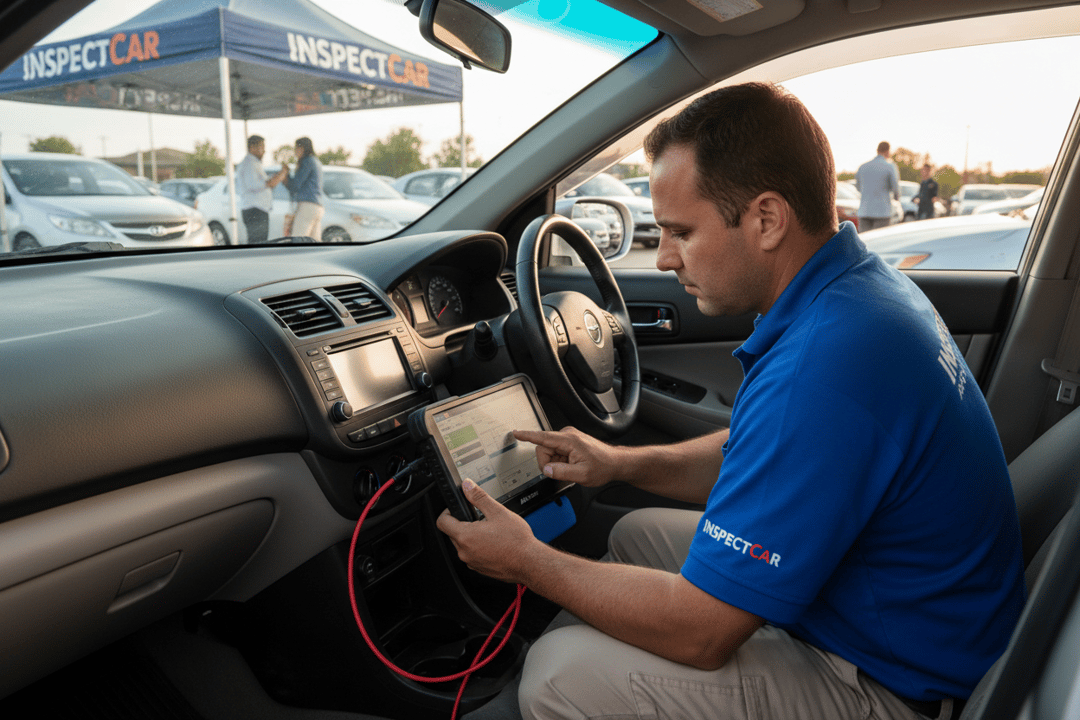
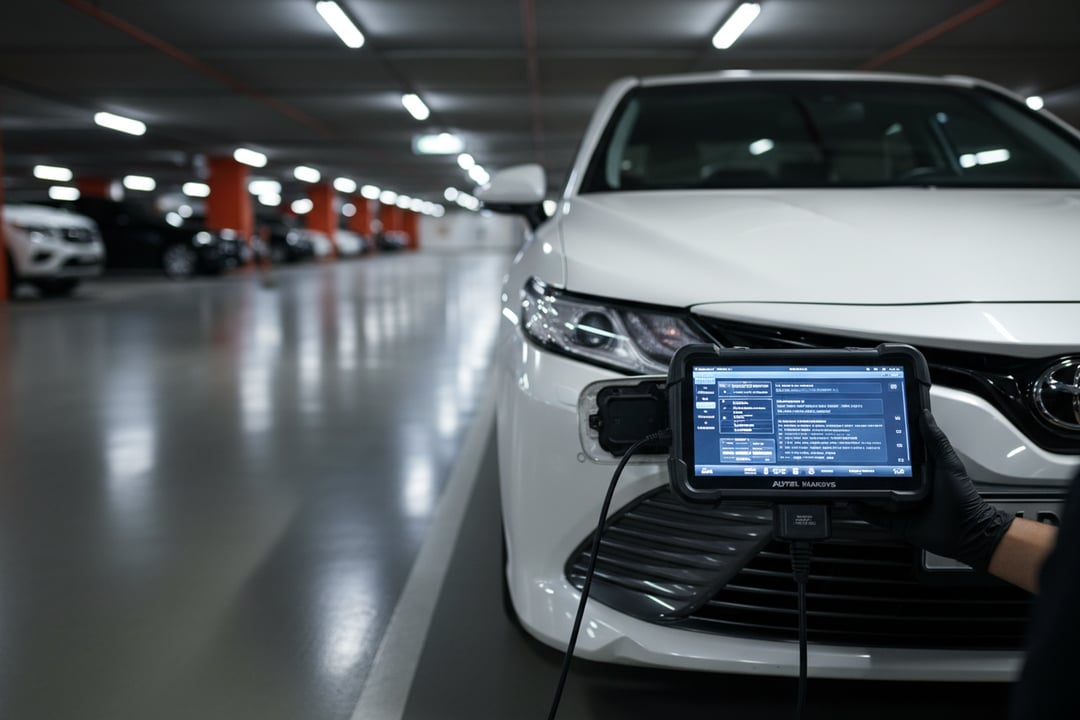
Modern SUVs, whether diesel or petrol, rely on complex networks of sensors to monitor engine performance, transmission shifting, and braking safety. The OBD II port, located beneath the dashboard, allows a mechanic to interface directly with this system to retrieve Diagnostic Trouble Codes (DTCs). These codes do not merely alert the driver to a problem; they pinpoint the specific sensor or circuit that has deviated from the manufacturer’s operating parameters. In the UAE market, where vehicles often endure high mileage and extreme temperatures, this data is critical for identifying latent failures that are not immediately apparent during a static visual inspection.
Deciphering Engine Fault Codes in Heavy-Duty SUVs
Engine fault codes are the most common output of an OBD scan and often signal issues ranging from minor vacuum leaks to catastrophic sensor failure. For SUVs, which are frequently used for towing or carrying heavy loads, the engine works harder than passenger cars, making this section of the report particularly sensitive to wear. Codes such as P0171 (System Too Lean) or P0300 (Random/Multiple Cylinder Misfire) frequently appear in older UAE vehicles.
- Lean Condition Codes (P0171/P0172): These indicate that there is too much air and not enough fuel. In the UAE’s dusty climate, this often points to a clogged Mass Air Flow (MAF) sensor or a failing oxygen sensor that cannot accurately measure exhaust composition.
- Misfire Codes (P0300-P0304): A random misfire suggests a failing spark plug or ignition coil. Ignoring this code leads to increased fuel consumption and, over time, can damage the catalytic converter, a repair that compromises the vehicle’s safety certification.
When an inspector reads these codes, they are looking beyond the surface to determine if the check engine light is illuminated due to a loose gas cap or a deep-seated mechanical issue. A thorough inspection goes hand-in-hand with the digital scan to ensure the reported codes correlate with physical evidence.
Transmission Codes and Drivetrain Integrity
Transmission faults are among the most expensive repairs a vehicle owner can face, making the OBD transmission code check a non-negotiable step in the inspection process. SUVs utilize torque converters and complex gear trains designed to handle heavy torque loads. The OBD scanner will often display generic codes like P0700 (Transmission Control System Malfunction) or specific codes related to input/output speed sensors.
If a transmission code is present, the vehicle is likely operating in "Limp Mode," a protective feature that limits engine RPMs to prevent catastrophic damage. While this prevents immediate breakdown, it renders the SUV unfit for highway driving or off-roading. Furthermore, persistent transmission codes often coincide with degraded transmission fluid, which in SUVs can break down faster due to the heat generated by heavier engines. Inspectors must verify that the digital alarm matches the condition of the fluid and the responsiveness of the gears during a road test.
ABS Codes and Safety Systems Analysis
Anti-lock Braking System (ABS) codes provide insight into the vehicle's stability and safety performance under emergency braking conditions. The OBD scanner reads data from wheel speed sensors located at each hub. In the UAE, potholes and uneven road surfaces frequently damage these sensors, leading to common ABS codes such as C0035 (Left Front Wheel Speed Sensor Circuit Malfunction).
An illuminated ABS light can be dismissed as a minor annoyance, but a scanner report reveals whether a sensor, a wiring harness, or a control module is at fault. If the vehicle has electronic stability control (ESC), a malfunction here affects steering assistance during hydroplaning or sudden evasive maneuvers. A comprehensive inspection includes clearing these codes to see if they return immediately, which indicates a persistent hardware failure rather than a temporary electronic glitch.
The Interconnected Inspection: Digital Scans vs. Physical Reality
A standalone OBD scan is insufficient for a complete vehicle assessment because digital data rarely tells the whole story. For example, an OBD scanner may report a transmission slip, but it cannot confirm if the transmission mounts are broken, causing vibration and shifting delays. Conversely, a physical inspection of the engine might show smoke, but the OBD scanner confirms whether the cause is burning oil or a fuel injection leak.
Professional inspection services connect these data points to form a complete picture. This involves a panel-by-panel check for panel-by-panel: original/repainted/repaired, a frame inspection to ensure structural alignment, and a brake pad percentage rating. The road test phase validates the OBD findings, checking for acceleration noise, abnormal braking distances, and vibration that the scanner cannot detect. This holistic approach ensures that a potential buyer understands the true operational cost of the vehicle.
Automated Inspection Packages for the UAE Market
Accessing this level of detailed technical analysis requires specialized equipment and experienced expertise. AutoFay provides a comprehensive on-location inspection service across all seven Emirates, delivering a detailed report that covers over 410+ checkpoints. The service is designed to be transparent and accessible, offering three distinct packages that cater to different inspection needs.
| Service Category | Computer Diagnostic (AED 99) | Body & Computer (AED 250) | Comprehensive (AED 299) |
|---|---|---|---|
| OBD / ECU Scan | Engine, Transmission, ABS, Airbag codes recorded | Engine, Transmission, ABS, Airbag codes recorded | Full system scan with live data parameters |
| Engine Check | Visual inspection only | Sound, smoke color, fluid condition | Visual + Sound + Mounts + Leaks |
| Body & Frame | Not Included | Panel-by-panel original vs. repaint check | Frame rails, pillars, floor pan integrity |
| Brakes & Suspension | Not Included | Pad thickness rating, visual suspension | Pad %, suspension components, axle checks |
| Extras | None | Tire manufacturing year, tread depth | Fluid levels, road test results, HD photos |
The Computer Diagnostic package at AED 99 is the entry point for identifying electronic faults before a purchase. For a more detailed look at accident history and paint integrity, the Body & Computer package at AED 250 combines mechanical diagnostics with a thorough visual inspection of the bodywork. The Comprehensive package at AED 299 provides the deepest level of scrutiny, including frame inspections, tire manufacturing dates, and a full road test to confirm that the vehicle drives as expected.
Utilizing professional inspection services prevents the acquisition of a vehicle with hidden electronic failures that could lead to costly repairs or dangerous driving conditions. By relying on certified data rather than intuition, buyers can protect their investment.
AutoFay inspects 410+ checkpoints with HD photos and PDF report. Book at autofay.ae or call +971542584458


0 Comments
No comments yet. Be the first to share your thoughts!