
Purchasing a used pickup truck in the United Arab Emirates represents a significant financial commitment, often involving heavy-duty tasks such as towing or off-road excursions. Unlike standard passenger vehicles, pickups operate under higher stress loads, making the verification of electronic controls critical before finalizing a transaction. While a visual inspection reveals surface issues, the true mechanical health of a vehicle is often concealed within its onboard computer systems. A comprehensive OBD scanner report provides the necessary diagnostic data to uncover hidden faults that could lead to costly repairs or safety hazards. This technical analysis focuses on the essential OBD checks for engine, transmission, and ABS systems, specifically tailored for the rugged demands of the UAE automotive market.
The Critical Role of OBD Scanning in the UAE Market
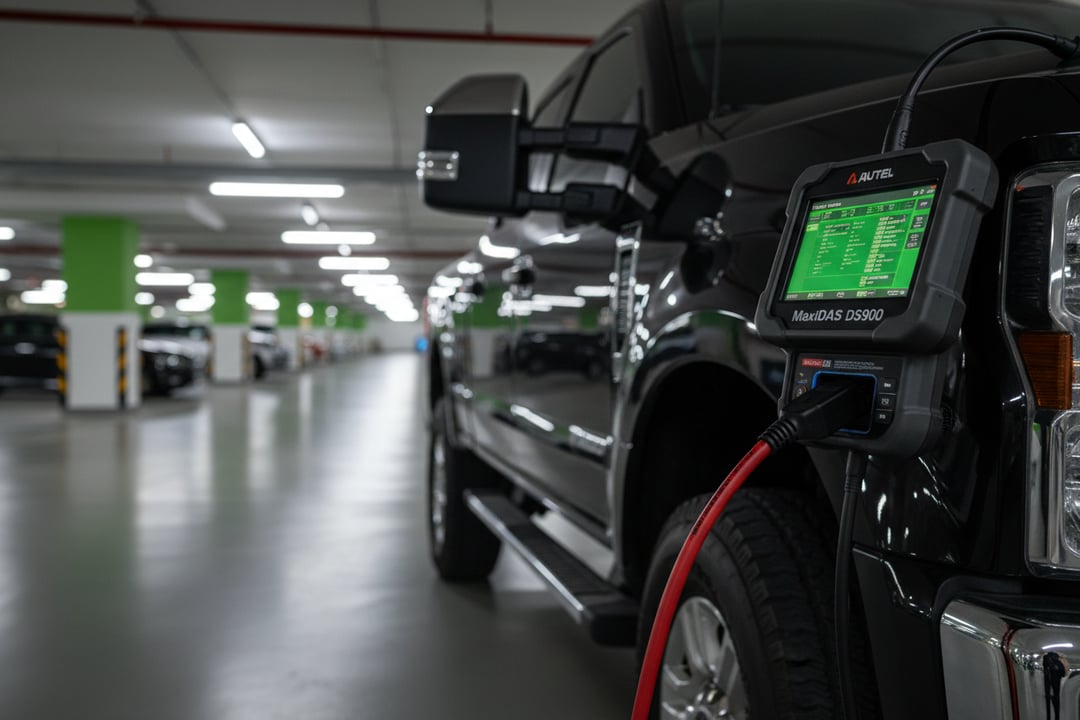
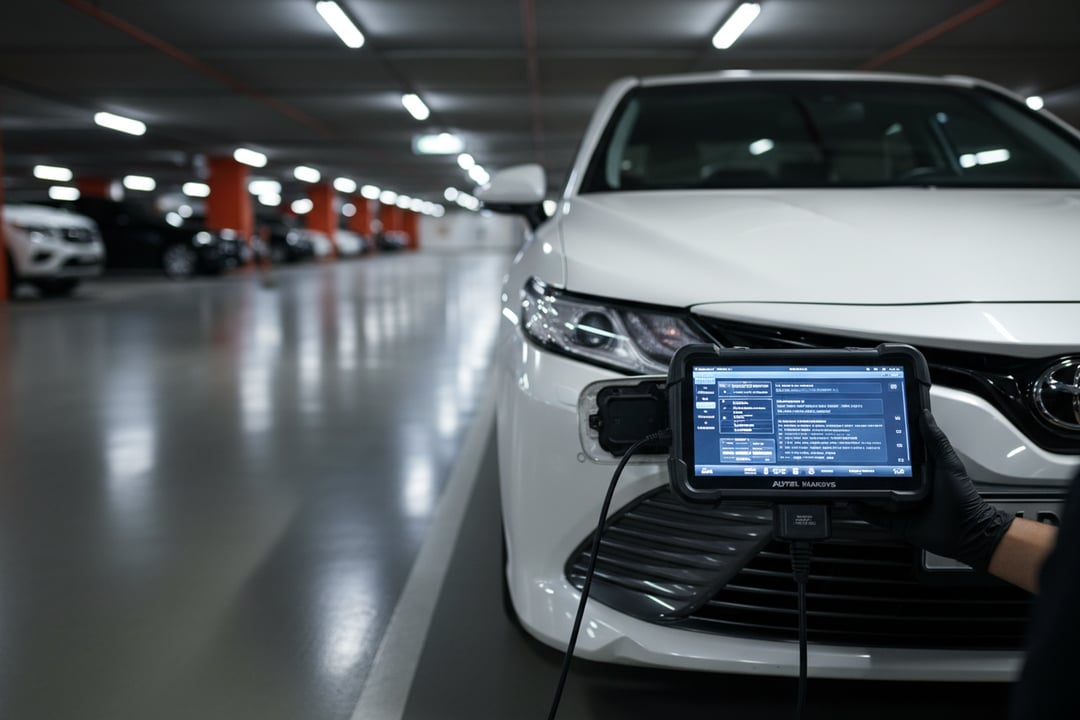
The arid climate and fluctuating terrain in the UAE place unique stress on vehicle electronics. Dust accumulation can compromise sensors, and extreme heat can degrade wiring harnesses, triggering false fault codes. A professional OBD scan is not merely a diagnostic tool; it is a forensic investigation into the vehicle's electronic brain. By connecting a scanner to the OBD port, technicians can retrieve data logs that reveal the Electronic Control Unit's (ECU) historical response to various driving conditions. This process is vital for identifying issues that may not manifest during a short test drive but are evident through data analysis. Without this digital verification, a buyer risks inheriting a vehicle with latent electronic malfunctions that could fail safety inspections or result in total engine failure down the line.
- ECU Data Retrieval: Accessing historical logs to identify intermittent faults that occur during normal driving.
- Sensor Verification: Cross-referencing sensor inputs against manufacturer specifications to ensure accuracy.
- MALfunction Indicator Light (MIL) Status: Determining if the Check Engine Light has been reset or cleared improperly.
Engine Fault Codes: The Heart of the Pickup
The engine is the primary source of power for a pickup truck, and any deviation from its optimal performance parameters is recorded by the Engine Control Module (ECM). When scanning for engine fault codes, technicians focus on the P-Series codes, which range from P0000 to P0999. Common codes in the UAE market often relate to the Mass Air Flow (MAF) sensor, Oxygen (O2) sensors, and the Exhaust Gas Recirculation (EGR) system. For instance, a P0171 code indicates a system too lean, often caused by vacuum leaks exacerbated by the heat, while a P0420 code suggests catalytic converter inefficiency due to unburnt fuel. Ignoring these codes can lead to reduced fuel economy, increased emissions, and severe catalytic converter damage.
It is essential to understand that a stored code does not always mean the component is physically broken. It signifies that the system has detected a parameter outside the acceptable range. For example, a faulty MAF sensor reading may trigger a code, but the root cause could be a leaking air intake hose or a clogged air filter. Therefore, the OBD scan serves as a starting point for deeper mechanical inspection. An inspector must verify the physical condition of the components associated with the codes to distinguish between a sensor failure and a vacuum leak.
Transmission Codes and Gear Logic
Transmission faults in pickup trucks are often more severe and expensive to repair than engine issues due to the complexity of the gear train and hydraulic systems. Scanning the Transmission Control Module (TCM) reveals codes such as P0700 (Transmission Control System Malfunction) or P0730 (Gear Ratio Incorrect). For automatic transmissions, codes related to the Torque Converter Clutch (TCC) or solenoid packs are common. In dual-cab or heavy-duty pickups, the transmission endures higher torque loads, increasing the likelihood of clutch wear or valve body issues. A drivability symptom associated with these codes includes harsh shifting, delayed engagement, or the transmission slipping out of gear under load.
When interpreting transmission codes, the context of the vehicle's usage is paramount. A code for a slipping clutch is far less concerning on a vehicle used for light city commuting but is a serious red flag for a truck used for daily towing. Furthermore, the scanner may reveal "freeze frame" data, which shows the engine's RPM and vehicle speed at the moment the fault was detected. This data helps determine if the transmission is shifting correctly under load or if it struggles during acceleration. A malfunctioning transmission not only renders the vehicle undrivable for work purposes but also drastically reduces its resale value.
ABS and Safety System Codes
Braking performance is non-negotiable in the UAE's fast-paced road network, especially for vehicles required to maneuver heavy loads. The Anti-lock Braking System (ABS) relies on wheel speed sensors to prevent wheel lock-up during emergency stops. Scanning the ABS module retrieves codes such as C0035 (Left Front Wheel Speed Circuit Malfunction) or U0100 (Lost Communication with ECM/PCM). These faults indicate a disruption in the data communication network between the sensors and the ABS module. While the vehicle may still brake effectively without ABS, the lack of this safety feature increases stopping distances significantly, particularly on slippery roads or loose gravel common in desert outskirts.
Common culprits for ABS codes in pickup trucks include worn wheel hub assemblies, damaged ABS rings on the rotors, or corroded sensor connectors due to road salt or harsh weather exposure. In some cases, a low battery voltage during a jump-start can corrupt the ABS memory, causing phantom codes. A thorough inspection must verify that the ABS sensors are clean, properly gapped, and functioning correctly. Furthermore, the scanner should be used to check for airbag system faults, as a live sensor reading can confirm the presence of deployment sensors and the status of the system memory, ensuring the vehicle meets safety regulations for roadworthiness.
Interpreting the Data: From Scanner to Reality
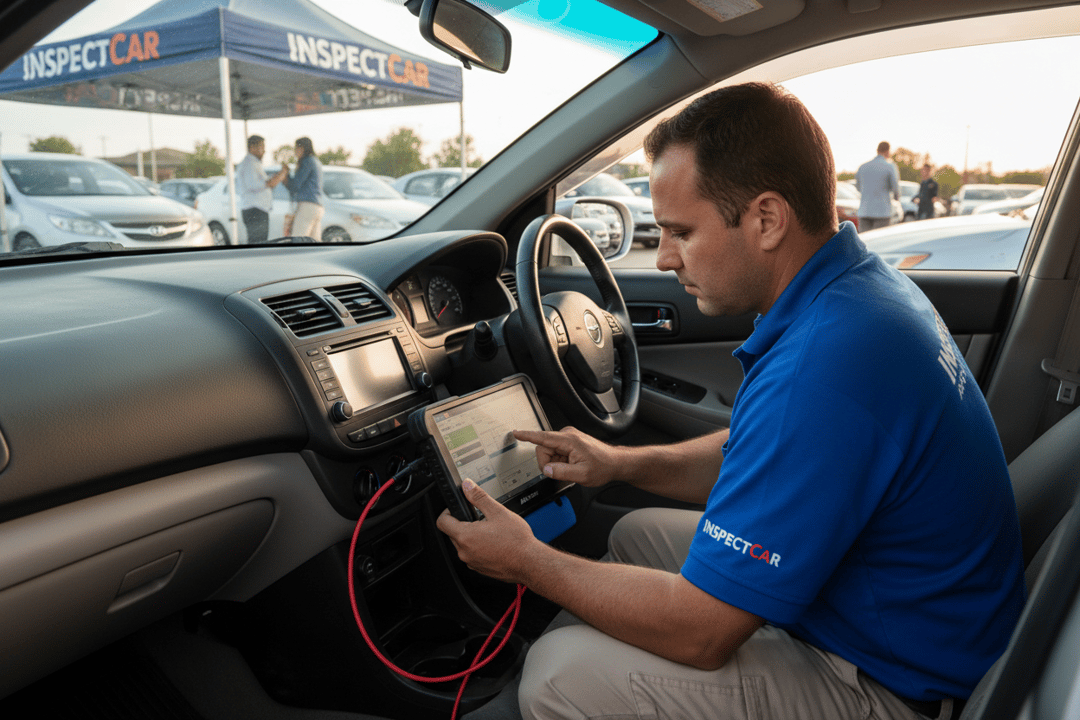
Vehicle data from an OBD scanner provides a digital snapshot, but a experienced inspector must bridge the gap between code and physical reality. A scanner report showing a code for a misfire in cylinder number three is useless without confirming the spark plug, ignition coil, or fuel injector for that specific cylinder is actually damaged. This is where on-site mechanical inspection becomes indispensable. A professional inspector will perform a road test to correlate the digital data with actual drivability symptoms. They will listen for unusual noises, check for fluid leaks, and inspect wiring harnesses for signs of chafing or heat damage.
AutoFay provides a rigorous framework for this analysis, covering 410+ checkpoints across 25 categories. While the OBD scanner identifies the "what," the physical inspection identifies the "why" and the "extent." For example, a scanner may show a faulty oxygen sensor, but a visual inspection might reveal the exhaust pipe is rusted through, which would have physically damaged the sensor. This holistic approach ensures that the diagnostic report is accurate and actionable. It prevents the buyer from paying for a sensor replacement only to find the underlying exhaust damage requires immediate attention.
| Inspection Package | Key Inclusions | Benefit |
|---|---|---|
| Computer Diagnostic | OBD Scan for Engine, Transmission, ABS, Airbag codes. | Identifies hidden electronic faults immediately. |
| Body & Computer | Diagnostics + Panel-by-panel body inspection. | Reveals accident history alongside mechanical faults. |
| Comprehensive | Full inspection including Frame, Frame rails, Suspension, Tires, and Fluids. | Ensures the structural integrity of the heavy-duty vehicle. |
Choosing the Right Diagnostic Service
Selecting the appropriate inspection package depends on the vehicle's age, mileage, and the buyer's specific concerns. A basic Computer Diagnostic service is highly recommended for older models or vehicles with a history of check engine light warnings. This package focuses strictly on retrieving and interpreting fault codes from the onboard computer. For newer vehicles or those with suspected body work, the Body & Computer package offers a broader scope, combining electronic diagnostics with a detailed assessment of the vehicle's exterior and paintwork. However, for heavy-duty pickups where structural integrity is paramount, the Comprehensive package is the most prudent choice.
The Comprehensive package goes beyond the electronic scan to include a physical examination of undercarriage components. It assesses the condition of the frame rails, floor pan, and suspension geometry. In the UAE, where vehicles often endure rough conditions, checking the frame for rust or structural damage is as critical as scanning the computer. The service is the inspector arrives at the vehicle, bringing the inspection directly to the seller's location. This convenience ensures the inspection can be performed on a lifted vehicle or in a driveway, allowing the inspector to check the undercarriage effectively.
Ultimately, the value of an OBD scanner report lies in its ability to prevent unforeseen expenses. A code indicating a transmission fault may signal a minor adjustment, or it may signal a significant failure. Relying on a professional inspection service ensures that the data is interpreted correctly and the vehicle is physically assessed. Investing in a professional inspection is not an expense but a verification step that protects the buyer from purchasing a vehicle that is not fit for the demands of the UAE road.
AutoFay inspects 410+ checkpoints with HD photos and PDF report. Book at autofay.ae or call +971542584458


0 Comments
No comments yet. Be the first to share your thoughts!