

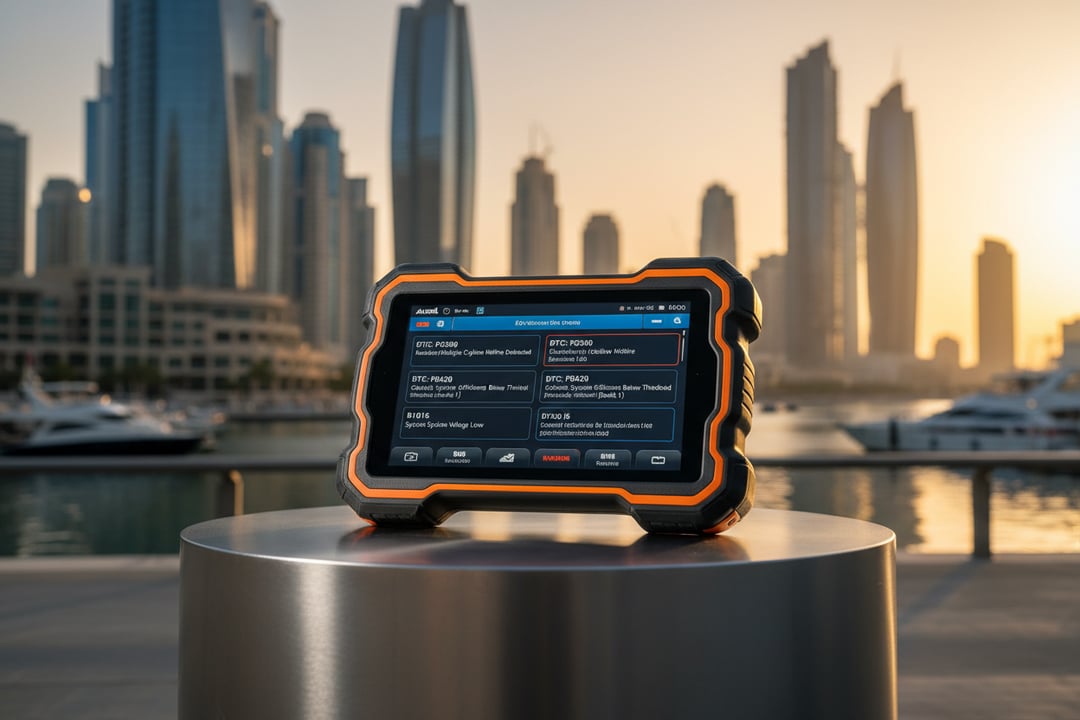
Modern vehicle diagnostics rely on On-Board Diagnostics (OBD) systems to communicate the health status of complex mechanical and electronic components. As a vehicle inspector, I view the OBD scanner not merely as a tool, but as a bridge between the manufacturer's digital architecture and the physical reality of the car’s performance. When purchasing a used vehicle in the UAE, distinguishing between a problematic unit and one with a minor sensor glitch requires a deep understanding of the diagnostic report. This report provides the technical data points that confirm whether a vehicle has hidden mechanical failures or is ready for immediate purchase.
The Role of OBD Scanners in Vehicle Inspections
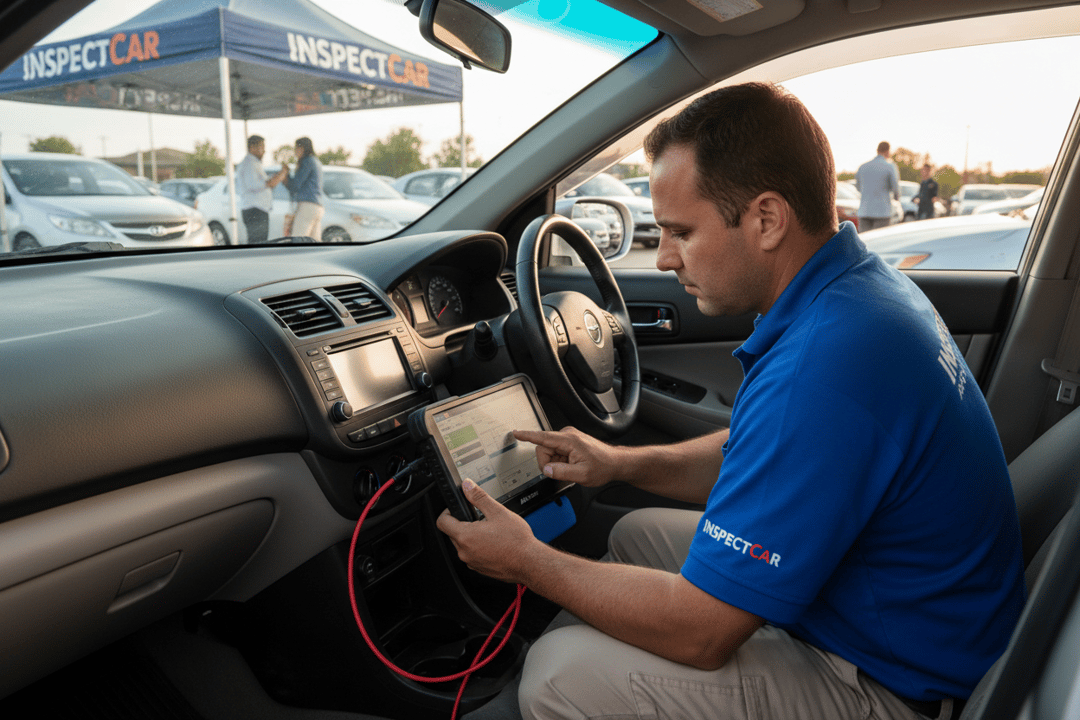
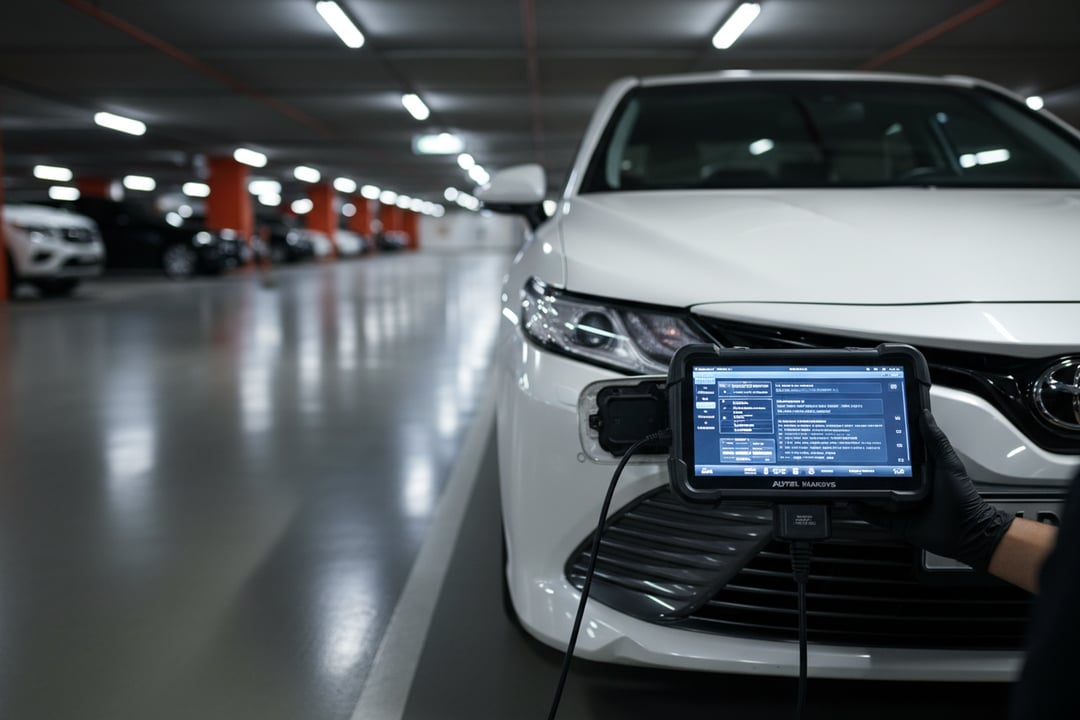
The OBD system monitors the operation of the engine, transmission, braking system, and safety components. When a component fails, the system registers a Diagnostic Trouble Code (DTC) and illuminates the dashboard warning light. A experienced inspector uses a professional-grade scanner to retrieve these codes, providing a factual history of the vehicle’s issues that is often more reliable than a verbal sales pitch. This digital history reveals whether a car has been subjected to accidents that triggered safety systems or has experienced mechanical stress that compromises drivability.
Engine Fault Codes: The Heart of the Vehicle
Engine-related DTCs are the most common findings in an inspection report. These codes often point to issues with the ignition system, fuel delivery, or emissions control. For instance, a code reading P0300 (Random/Multiple Cylinder Misfire) indicates that the engine is not firing on all cylinders, which leads to poor fuel economy and potential damage to the catalytic converter over time. Similarly, a P0420 code (Catalyst System Efficiency Below Threshold) suggests the vehicle is not burning fuel efficiently, which can cause the engine to run hotter and degrade exhaust components.
- P0171: Indicates the engine is running too lean (too much air, not enough fuel). This often points to vacuum leaks or a failing fuel pump.
- P0301-P0306: Specific cylinder misfires, suggesting worn spark plugs or ignition coils.
- P0440: Indicates an issue with the evaporative emissions system, which involves the fuel tank and charcoal canister.
Ignoring these codes can result in immediate engine failure or expensive repair bills for the catalytic converter, which is a costly component to replace on most modern vehicles.
Transmission Codes: Shifting Health and Gearbox Integrity
Transmission codes reveal the condition of the gearbox's electronic control unit and hydraulic pressure systems. Codes such as P0700 (Transmission Control System Malfunction) or P0741 (Torque Converter Clutch Solenoid) suggest that the transmission is struggling to manage gear shifts or apply pressure correctly. In a hot climate like the UAE, transmission overheating is a frequent cause of these codes. A stored code for a shift solenoid implies internal valve body blockage or electrical connector corrosion, which may require removing the transmission pan to repair. If left unaddressed, these faults can escalate from hesitation during acceleration to complete transmission failure.
ABS and Safety Codes: Braking System Analysis
Anti-lock Braking System (ABS) codes often relate to wheel speed sensors or hydraulic control unit failures. A code like C0035 (Left Front Wheel Speed Sensor Circuit Malfunction) implies that the car’s computer cannot determine how fast a specific wheel is rotating, which compromises the stability control system. It is important to note that ABS codes can sometimes be intermittent; they may not trigger the light during a static test drive but will appear once the vehicle moves at speed and the sensors are active. A history of ABS codes suggests potential impact damage to wheel hubs or bent control arms, which can affect the alignment and safety of the vehicle.
Airbag/SRS Codes: Safety System Integrity
SRS (Supplementary Restraint System) codes relate to the airbags, seatbelts, and occupant detection modules. Codes such as B0021 (Driver Airbag Deployment) or U0100 (Lost Communication With ECM/PCM) indicate that the system has detected a crash event or a loss of communication with the main computer. While a deployment code does not necessarily mean the airbag physically deployed, it signals a history of impact that compromised the vehicle's frame or sensors. Repairing SRS systems is complex and requires specialized recalibration tools. A vehicle with unresolved SRS codes poses a significant safety risk, as the system may fail to deploy in a subsequent collision.
AutoFay Diagnostic Packages: Choosing the Right Inspection Level
Choosing the correct inspection package ensures you receive the depth of analysis required for your specific investment. AutoFay offers three tiers of service designed to cover everything from a quick computer check to a comprehensive physical and digital audit.
| Package | Price (AED) | Includes |
|---|---|---|
| Computer Diagnostic | 99 | OBD scan (Engine, Transmission, ABS, Airbag codes), check engine light status. |
| Body & Computer | 250 | Includes Computer Diagnostic + 25-point body & paint inspection, panel-by-panel condition report. |
| Comprehensive | 399 | Includes Body & Computer + 410+ checkpoints (Frame, Suspension, Brakes, Fluids, Road Test). |
The Computer Diagnostic AED 99 service is ideal for a quick overview of the vehicle's electronic health. The Body & Computer AED 250 package adds a visual assessment to the electronic data, while the Comprehensive AED 299 service integrates the OBD findings with a physical road test to verify whether the electronic faults manifest in real-world driving conditions.
Integrating Data with Physical Inspection
An OBD scanner is only one piece of the puzzle; professional inspectors must correlate the electronic data with physical findings. For example, if the scanner reports an engine misfire but the inspector finds oil on the spark plug wires or a leaking valve cover gasket, the diagnosis is clear. AutoFay’s team of inspectors performs 410+ checkpoints across 25 categories to ensure the vehicle’s physical condition matches the digital report. This holistic approach prevents buyers from purchasing a vehicle that passes the scan test but fails structurally.
Understanding the language of the OBD scanner eliminates ambiguity in vehicle purchases. It highlights the immediate repair needs and long-term reliability concerns of the vehicle. By utilizing expert inspection services that include this data, buyers can navigate the used car market with technical precision.
AutoFay inspects 410+ checkpoints with HD photos and PDF report. Book at autofay.ae or call +971542584458



0 Comments
No comments yet. Be the first to share your thoughts!