

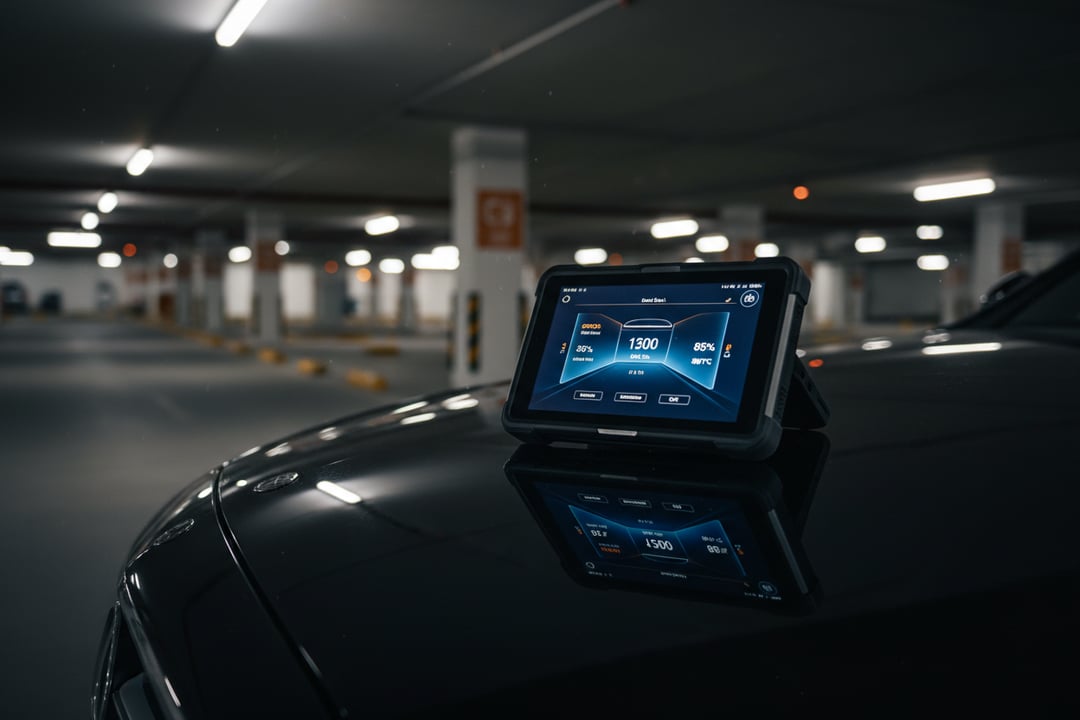
Returning a leased Mercedes-Benz in the UAE requires a strategic approach. The return period often triggers disputes over wear and tear, where lessors demand deductions for minor damage while lessees argue for the vehicle's true condition. A professional inspection bridges this gap by providing a documented baseline of the vehicle's state at the time of return. This document serves as evidence against unfair deductions or claims of pre-existing damage. To protect your interest, you must prioritize specific mechanical and cosmetic systems known to fail in high-temperature, high-salt environments.
Environmental Stressors in the GCC Climate
The intense heat and coastal humidity in the UAE accelerate specific mechanical failures. Mercedes-Benz vehicles are sophisticated machines, but they rely on cooling systems and electrical components that struggle under sustained stress. The primary consequence of ignoring these environmental factors is often a rapid decline in vehicle reliability during the final months of the lease.
One of the most critical systems to inspect is the air conditioning unit. In the UAE, dust and sand are the enemies of the AC condenser. A clogged condenser leads to poor cooling performance and puts immense strain on the compressor. If the air conditioning fails during the lease return inspection, the cost of repair is significant, and the leasing company will likely deduct that amount from your security deposit. Furthermore, the high ambient temperatures can cause electrical wiring insulation to degrade faster than in temperate climates.
Moisture, particularly in coastal cities like Dubai and Abu Dhabi, accelerates the corrosion of underbody components. The suspension system, which is often exposed to the elements, can suffer from early rusting if not washed regularly. This leads to premature wear on bushings and ball joints. A lease return inspection must verify that corrosion has not compromised the structural integrity of the vehicle’s chassis.
The "Big Three" Mercedes-Benz Common Faults
When inspecting a used Mercedes-Benz for lease return, three specific faults appear more frequently than others. Understanding these helps you prioritize which areas to scrutinize during the inspection process. Skipping these checks could result in a vehicle that fails the lessor’s inspection or suffers a breakdown shortly after return.
First, **oil consumption** is a persistent issue in many Mercedes engines. Modern direct-injection engines often consume oil between service intervals. While some consumption is normal, excessive consumption indicates a ring or valve seal failure that requires an engine rebuild. A professional inspection should check the dipstick level and review the service history to determine if oil top-ups are frequent.
Second, the **timing chain** tensioner is a known weak point in several Mercedes models. If the tensioner fails, the timing chain can stretch or skip teeth, leading to catastrophic engine failure. This is a silent killer; the engine may run fine for months before the chain snaps. Listen for a rattling noise during cold starts, which indicates chain slack.
Third, **electrical gremlins** are ubiquitous in Mercedes-Benz vehicles. The complex network of sensors and control modules can malfunction, triggering warning lights on the dashboard. Common failures include power window regulators, sunroof mechanisms, and seat memory functions. A failure in these electronic systems does not affect safety but can be used by lessors as grounds for expensive repair deductions.
- Check for ticking noises originating from the engine block during cold starts.
- Verify oil levels are within the safe range; excessive smoke from the exhaust indicates burning oil.
- Test electronics including lights, windows, and infotainment systems repeatedly.
The Diagnostic Imperative: OBD Scanning
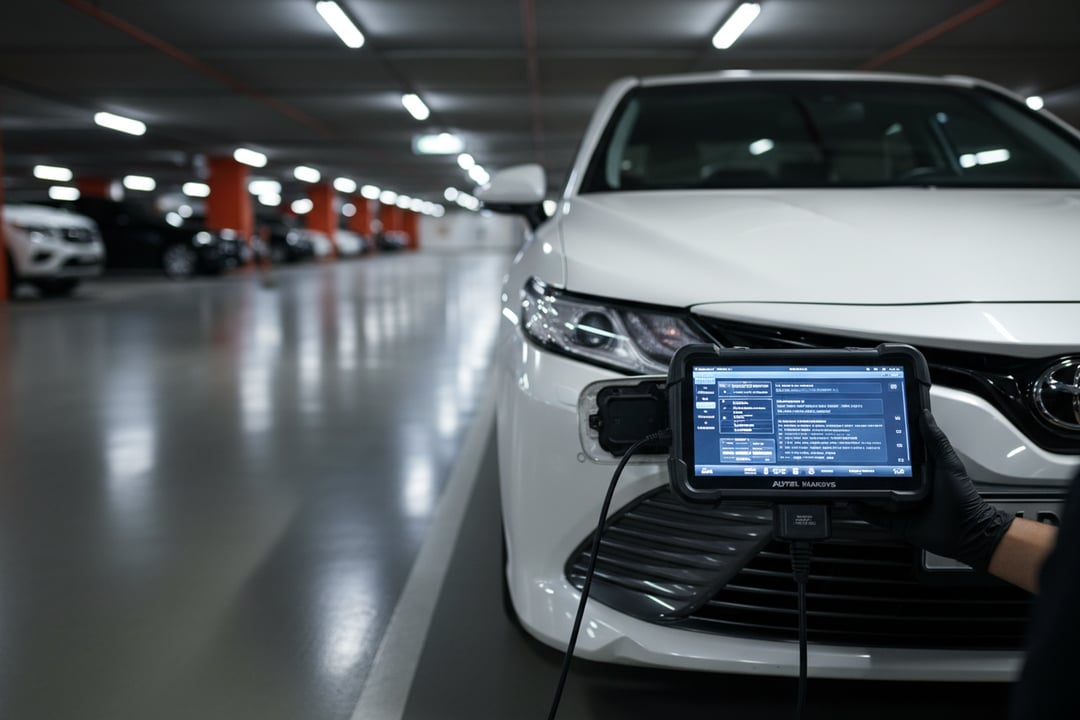
Relying solely on a visual inspection is insufficient for a lease return. The modern Mercedes engine contains dozens of sensors that communicate real-time data to the onboard computer. A stored code in the system can indicate a minor issue that has not yet caused a mechanical failure but will likely result in a failed inspection.
Professional diagnostic scanning goes beyond checking the engine light. It interrogates the transmission, ABS, airbag, and comfort modules. For example, a transmission code might indicate a slipping clutch or a solenoid fault. If this code is present during inspection, the lessor will force a repair to ensure the vehicle is roadworthy. The consequences of missing a diagnostic code are expensive repair bills that could have been avoided with a preliminary check.
Visual & Structural Integrity Checks
The visual inspection is the first line of defense against cosmetic deductions. Lessors often deduct money for scratches, dents, and paint damage. A detailed inspection can distinguish between wear and tear and actual damage. You must look past the surface to the underlying structure.
Inspect the body panels panel-by-panel for color mismatch, which indicates previous repairs. Pay close attention to the door edges, sills, and bumpers. These areas are prone to scuffing and are often repaired by non-professionals. A panel-by-panel check reveals whether the paintwork is original or if there is evidence of filler and repainting.
The **frame and pillars** are critical areas that determine the safety and value of the vehicle. A lease return inspection must verify that the vehicle has not been in a collision that bent the chassis rails or the B-pillars. A damaged frame can compromise the airbag deployment and structural rigidity. While lessors rarely deduct for frame damage, it is a major red flag that necessitates professional remediation before return.
Fluids are another area of contention. The coolant, brake fluid, and transmission fluid change color and consistency over time. Old, dark coolant indicates a lack of maintenance and potential overheating. Brake fluid absorbs moisture over time, which lowers its boiling point. If the fluid is contaminated, the braking system is compromised, and a brake fluid flush will be required before the lease ends.
Suspension, Brakes, and Road Test
The driving dynamics of a Mercedes-Benz are defined by its suspension and braking capabilities. A lease return inspection requires a road test to verify that these systems function correctly. Vibration at high speeds often points to wheel alignment issues or worn suspension bushings. Clunking noises over bumps indicate worn control arms or ball joints, which affect handling and safety.
Brake pads are consumable items that are subject to wear and tear deductions. Inspectors typically use a pad thickness rating to determine the percentage of life remaining. If the pads are worn below a specific percentage, they must be replaced. The cost of brake replacement is a standard deduction for lease returns, but a professional inspection can help you negotiate if the wear is within acceptable limits.
Tires also play a vital role in the inspection. Inspectors check the manufacturing year and the tread depth. Tires older than six years are considered unsafe regardless of tread depth due to rubber degradation. A lease return must have four matching tires with sufficient tread to pass safety regulations. Using a vehicle with expired tires is a violation of safety standards and can result in lease penalties.
AutoFay Inspection Packages
To navigate the complexities of a lease return, you need a comprehensive inspection that covers all critical systems. AutoFay offers a tiered service structure designed to fit different needs and budgets. Choosing the right package ensures that no potential deduction is missed during the handover process.
| Package | Price (AED) | Includes |
|---|---|---|
| Computer Diagnostic | 99 | OBD scan for engine, transmission, ABS, and airbag codes. |
| Body & Computer | 250 | Panel-by-panel body inspection, paint analysis, and full OBD scan. |
| Comprehensive | 399 | 410+ checkpoints across 25 categories, including frame, fluids, and road test. |
The Computer Diagnostic package at AED 99 provides a fast snapshot of the vehicle's electronic health. This is the best starting point if you suspect a check engine light or dashboard warning. However, for a full lease return, the Body & Computer package at AED 250 offers better value by combining the scan with a visual examination of the vehicle's exterior and interior. For a complete assessment of the vehicle's mechanical and structural condition, the Comprehensive package at AED 299 is the most effective tool. This service includes a road test to evaluate acceleration, braking, noise, and vibration, ensuring the vehicle is ready for lessor review.
AutoFay provides a on-location inspection across all 7 Emirates, bringing the inspection to your location. This saves time and ensures the vehicle is inspected exactly when you need it. The service delivers a detailed PDF report with HD photos documenting every finding. This documentation is essential for disputing any unfair deductions or warranty claims.
AutoFay inspects 410+ checkpoints with HD photos and PDF report. Book at autofay.ae or call +971542584458.




0 Comments
No comments yet. Be the first to share your thoughts!