

Returning a leased vehicle in the United Arab Emirates requires a precise understanding of the vehicle’s condition. Lease agreements often link financial penalties to excessive wear and tear, making a pre-return inspection a critical financial safeguard. Lexus vehicles, renowned for their engineering and reliability, present a unique set of challenges during this process. While generally robust, these luxury machines require specific attention to detail to ensure they meet the stringent standards set by leasing companies and banks in the region.
The Complexity of Lexus Lease Returns
Lexus lease returns in the UAE differ significantly from standard used car transactions. These vehicles often carry high mileage due to the aggressive driving culture, yet they must still demonstrate a premium level of maintenance. The inspection process must go beyond a casual visual sweep. It requires a systematic examination of every system to prevent unexpected deductions upon return. Failure to identify specific faults can result in lease-end penalties that far exceed the cost of a professional inspection.
Leasing companies in the UAE are particularly vigilant regarding vehicle safety and residual value preservation. A vehicle that fails to meet the "like-new" criteria will likely face charges for repairs. Consequently, the inspection must be thorough, targeting the areas where Lexus models commonly degrade over time.
Engine and Transmission Diagnostics
The powertrain is the heart of the Lexus and the primary focus during any lease return inspection. While the brand is synonymous with longevity, age-related wear on the 1GR-FE V6 engine (common in GX and RX models) or the 2AR-FE and 8AR-FTS variants (found in ES and NX models) is inevitable. A experienced inspector must listen for abnormal noises, such as lifter ticking or piston slap, which indicate internal wear. Smoke from the tailpipe during cold or hot starts can reveal seal or gasket degradation that is not immediately visible.
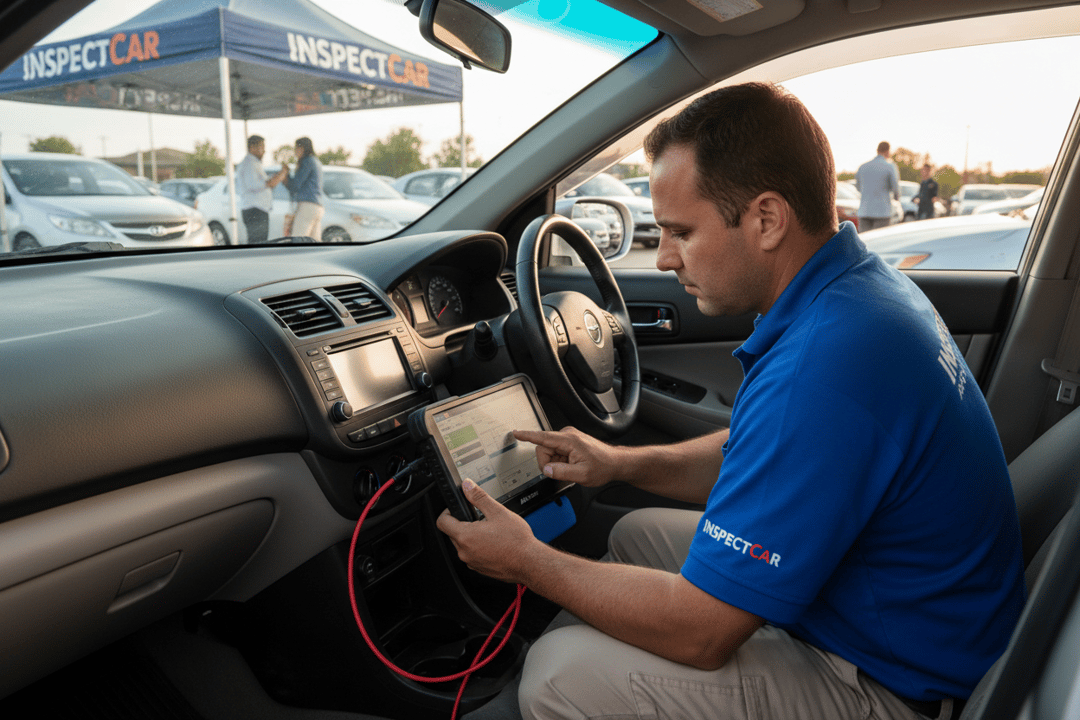
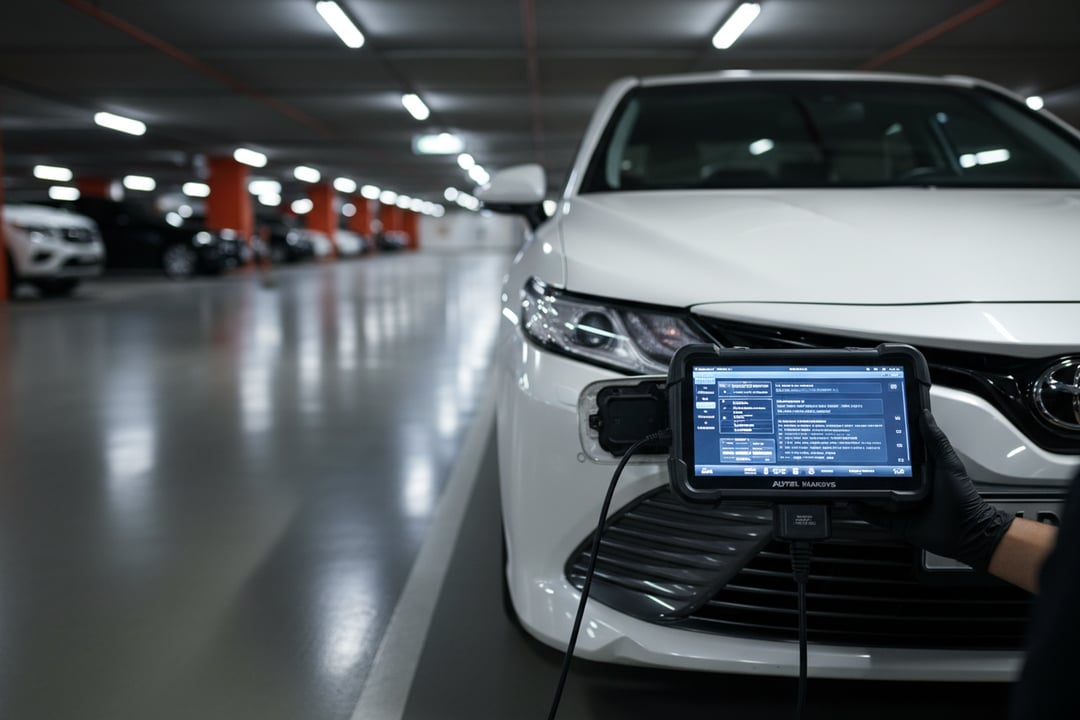
- OBD Scan Codes: Modern Lexus vehicles rely heavily on electronic sensors. A standard visual check cannot detect hidden software glitches or pending trouble codes. An On-Board Diagnostics (OBD) scan is mandatory to reveal issues with the engine’s Electronic Control Module (ECM) or Transmission Control Module (TCM).
- Transmission Behavior: An erratic shift pattern or delayed engagement in the automatic gearbox suggests clutch pack or valve body wear. This is a common failure point in high-mileage Lexus units and is a frequent cause of lease-end disputes.
Addressing these mechanical faults early prevents the vehicle from being flagged for mechanical deficiency. A diagnostic scan is available through specialized services, starting at Computer Diagnostic AED 99, providing an immediate technical snapshot of the vehicle’s health without unnecessary body work assessments.
Model-Specific Pain Points
Lexus models vary significantly in their susceptibility to wear, requiring inspectors to tailor their approach based on the specific chassis. The Lexus RX, a staple in the UAE market, frequently suffers from oil leaks stemming from the valve cover gaskets and camshaft seals. These leaks, while sometimes minor, are critical during lease returns as they are often classified as "excessive fluid loss." The Lexus NX, particularly the hybrid variants, may exhibit battery degradation or inverter cooling system issues that affect performance and fuel economy.
| Lexus Model | Common Lease-Return Faults | Inspection Priority |
|---|---|---|
| Lexus RX 200/300/350 | Valve cover gasket oil leaks, air suspension height errors | High |
| Lexus NX 200t/300h | Brake dust accumulation, hybrid battery voltage drop | Medium |
| Lexus GX 460 | Timing chain tensioner wear, suspension bushing cracking | High |
| Lexus IS 250/300 | Power steering pump noise, throttle body carbon buildup | Medium |
Inspectors must also scrutinize the Lexus LX and LC models, which endure harsher road conditions. These vehicles often display excessive tire wear due to their heavy curb weight and aggressive driving styles. Under-inflation, frequently caused by sensor malfunction, is a common issue that accelerates tire degradation and negatively impacts fuel efficiency.
Structural Integrity and Paint Analysis
The visual condition of the vehicle dictates its residual value. Lease returns demand that panels be original, not repaired. A professional inspection must use paint thickness gauges to verify the authenticity of the finish. Significant deviations from the original paint thickness indicate previous accidents or major repairs. Repainted panels are a primary target for lease-end deductions, as they suggest structural compromise or poor quality restoration.
Frame integrity is equally critical. The unibody structure acts as the skeleton of the vehicle. Inspectors must check the rails, pillars, and floor pan for signs of collision repair or corrosion damage. In the UAE’s coastal humidity, frame rust can creep into structural components, compromising the vehicle's safety rating. Identifying these issues early allows owners to budget for necessary repairs, which is far more cost-effective than facing lease-end penalties for structural defects.
Brakes, Suspension, and Fluids
Brake components are consumable items that degrade rapidly in the UAE’s stop-and-go traffic. The inspector must assess the brake pad percentage rating and the condition of rotors. Excessive brake dust, a hallmark of ceramic or low-dust pads wearing down, often triggers flagging during automatic inspections. Worn brake pads not only incur fines but also pose a severe safety hazard.
Suspension systems control the vehicle's handling and ride comfort. Worn ball joints, tie rods, or control arm bushings lead to poor steering precision and unusual tire wear patterns. These faults are often subtle until the vehicle is driven. A road test is essential to identify clunks, vibrations, or wandering steering characteristics. Additionally, transmission fluid and coolant levels must be verified to ensure they are within specification and not contaminated, which could indicate internal engine damage.
Why Professional Inspection is Non-Negotiable
Relying on a visual inspection or a dealership "check-up" is insufficient for a lease return. The complexity of modern vehicles requires a systematic approach that covers 410+ checkpoints across 25 distinct categories. A comprehensive service provides a detailed roadmap of the vehicle's condition, supported by HD photos and a formal report. This documentation serves as evidence of the vehicle's state at the time of inspection, protecting the lessee from unfair deductions.
Service options for UAE residents include flexible on-location inspections available across all seven Emirates. Packages range from basic computer diagnostics to full-body and comprehensive inspections. For a detailed overview of the process and available packages, including the Body & Computer AED 250 and Comprehensive AED 299 options, expert assistance is required.
Lease returns are high-stakes financial events. Ignoring the signs of wear and tear invites costly penalties and safety risks. A professional inspection provides the necessary data to address issues proactively. AutoFay inspects 410+ checkpoints with HD photos and PDF report. Book at autofay.ae or call +971542584458.


0 Comments
No comments yet. Be the first to share your thoughts!