


The interior of a used sedan is often the most revealing aspect of a vehicle's history, far more so than the exterior paintwork. While a scratch on the door panel can be buffed out, the condition of the interior demonstrates how the car was treated daily. In the UAE climate, where extreme heat and dust are constant factors, the interior degrades faster than in temperate climates. A vehicle that appears mechanically sound on a test drive may hide significant wear inside that affects long-term usability and safety. Professional inspection requires a systematic approach to these areas.
The Dashboard and Instrument Cluster
The dashboard serves as the command center for the vehicle. When inspecting a sedan, the first area of focus is the instrument cluster. The digital or analog displays must be legible and free from dead pixels or flickering lights, which can indicate electrical glitches. A malfunctioning cluster can lead to missed warning signals regarding engine status or fuel levels.
- Climate Control Systems: The AC buttons and climate control unit require tactile verification. In the UAE heat, a non-responsive climate screen indicates a failure in the HVAC electronics, which can be a costly repair.
- Panel Integrity: Inspectors check for loose panels or gaps that suggest water ingress. Moisture trapped in the dashboard can lead to mold growth and corrosion of electronic components behind the fascia.
- Lighting: All dashboard warning lights must illuminate upon startup and then turn off. A missing or non-functional check engine light can hide critical diagnostic codes related to emission systems.
Steering Wheel Condition and Column Alignment
The steering wheel is the primary interface between the driver and the road, and its condition reveals the mileage and driving style. A genuine inspection involves examining the wear on the steering wheel's grip and the surrounding column. In sedans, the driver's side typically shows more wear due to the nature of vehicle operation.
Inspectors look for the "steering wheel angle" discrepancy. If the steering wheel is not perfectly centered when the vehicle is moving straight, it indicates a misalignment in the steering column or suspension geometry. This issue affects vehicle handling and tire wear and must be addressed immediately.
- Grip Material: Examine the leather or synthetic material for cracking or peeling. This indicates the material has aged due to UV exposure in the cabin.
- Airbag Integrity: The airbag warning light must be functional. If this light stays on after the engine starts, the airbag deployment system is likely faulty, rendering a critical safety device inoperative.
- Horn Functionality: A simple but vital check is the horn. A weak or non-functioning horn compromises safety, especially at intersections where auditory warnings are necessary.
Seat Durability and Upholstery Analysis
Sedans typically feature higher-quality upholstery materials compared to SUVs, but they are still subject to significant stress. The seats are subjected to thousands of entry and exit cycles, leading to wear in specific high-friction zones. An inspector evaluates the condition of the material to determine if the vehicle has seen heavy usage or was merely a garage queen.
Sagging seat cushions or loosened bolsters indicate that the foam or internal springs are failing. This reduces comfort and can affect the driver's posture, which in turn impacts control over the vehicle. Additionally, electric seat motors should be tested for smooth operation in all adjustment directions.
| Wear Pattern | Interpretation |
|---|---|
| Driver Side Only | Indicates normal, consistent daily use of the vehicle. |
| Both Sides Evenly | Suggests a vehicle that may have been used for ride-hailing services or frequent passengers. |
| Driver Side Aggressive | Implies the car may have been driven aggressively by a previous owner. |
Electronic Integration and Wiring
The interior of a modern sedan is a complex web of electronic systems that control everything from the windows to the infotainment. Inspecting these systems involves looking for signs of water damage or poor repairs. Corroded connectors often result from the humid coastal air or air conditioning leaks.
Inspectors check the functionality of the central locking system, power windows, and sunroof. A failure in one component can sometimes point to a larger issue within the vehicle's CAN bus network. Furthermore, inspecting the seatbelts involves checking the retractors for smooth operation and the anchors for any signs of welding or repair, which suggests past accidents.
The Value of a Professional On-Location Inspection
Attempting to inspect the interior of a sedan without professional tools or training can lead to overlooking subtle but expensive issues. Issues such as a failing air conditioning compressor or a blown fuse box can be missed by the untrained eye. A comprehensive inspection covers these nuances to ensure the vehicle is roadworthy.
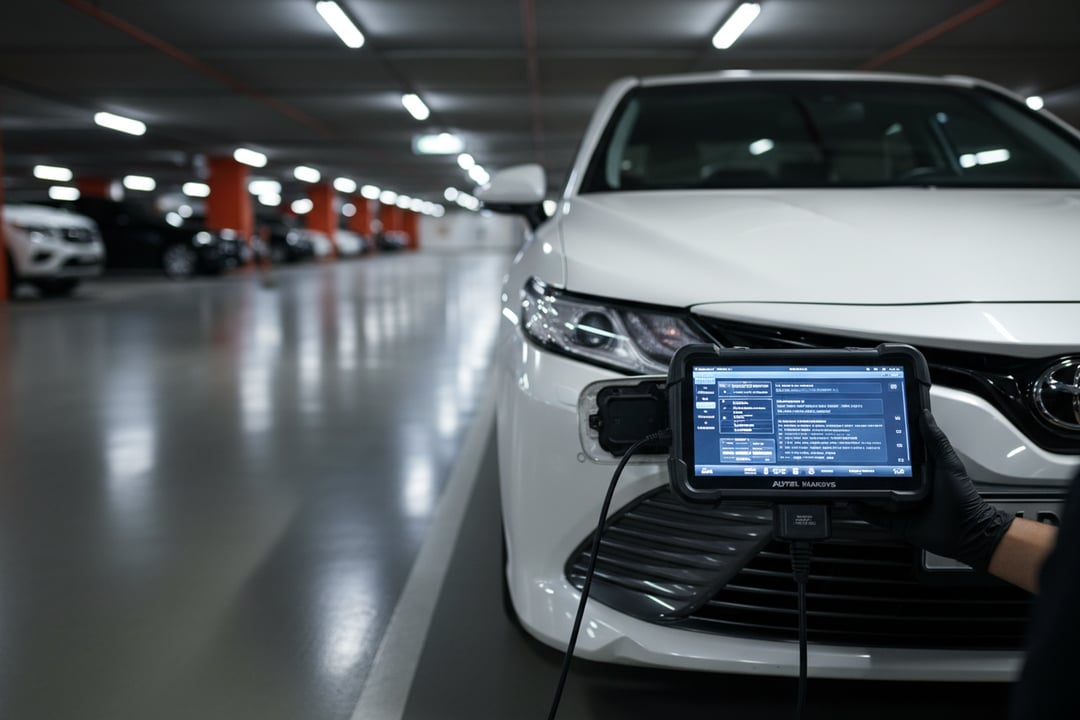
Understanding the condition of the dashboard, steering wheel, and seats provides a complete picture of the vehicle's history. For buyers seeking certainty, professional inspection services offer a detailed breakdown of these components. For instance, a service package covering Body and Computer diagnostics, priced at AED 250, can identify electrical faults that are visible only during a detailed scan.
AutoFay inspects 410+ checkpoints with HD photos and PDF report. Book at autofay.ae or call +971542584458




0 Comments
No comments yet. Be the first to share your thoughts!