
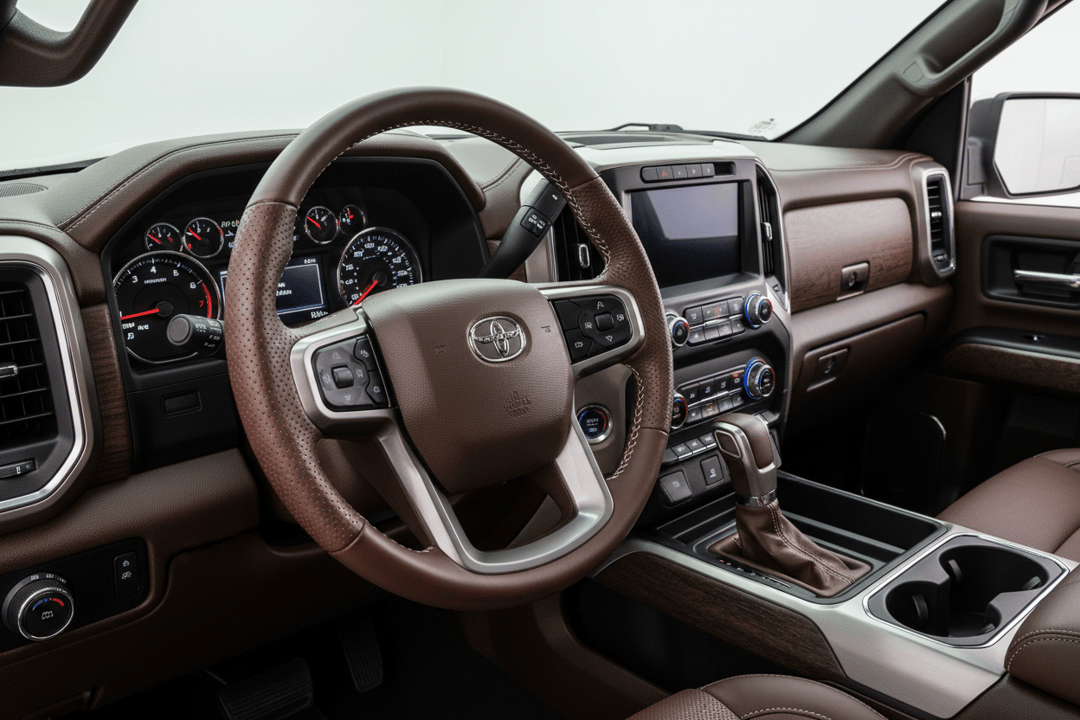
Pickup trucks in the UAE environment face unique challenges that distinguish them from standard passenger vehicles. The extreme heat, abrasive desert sand, and frequent exposure to salt mist create a corrosive atmosphere that deteriorates interior materials rapidly. When purchasing a used pickup, the interior often provides the most accurate timeline of the vehicle's actual usage and abuse. Unlike the bodywork, which can be repainted or repaired, interior wear is an indicator of the truck's operational history. A thorough inspection of the interior requires a systematic approach to identify signs of fatigue, water damage, or tampering. This analysis focuses on three critical areas: the dashboard, steering wheel, and seating systems, which are subject to the most stress in a utility vehicle.
Dashboards and Instrument Clusters
The dashboard is the central command center of the vehicle and is frequently the first component to show signs of aging in the region's harsh sunlight. UV radiation causes plastic components to become brittle, leading to cracks and fading over time. Inspectors must look for gaps between the dashboard and the windshield or instrument panel, as these indicate previous impacts or water ingress. Loose or sticky buttons on the climate control system suggest long-term use and potential moisture accumulation behind the trim.
- Cracks and Warping: Inspectors check for hairline fractures on the instrument cluster and the center console. These cracks often spread over time, especially in older models.
- Instrument Cluster Accuracy: The speedometer and tachometer needles must respond smoothly without jitter or dead spots. Erratic needle movement can indicate a failing stepper motor or a damaged gauge cluster.
- Electronic Integration: Modern pickups rely heavily on the dashboard for driver information. Failure of the digital displays or warning lights can signal a failing voltage regulator or a damaged wiring harness.
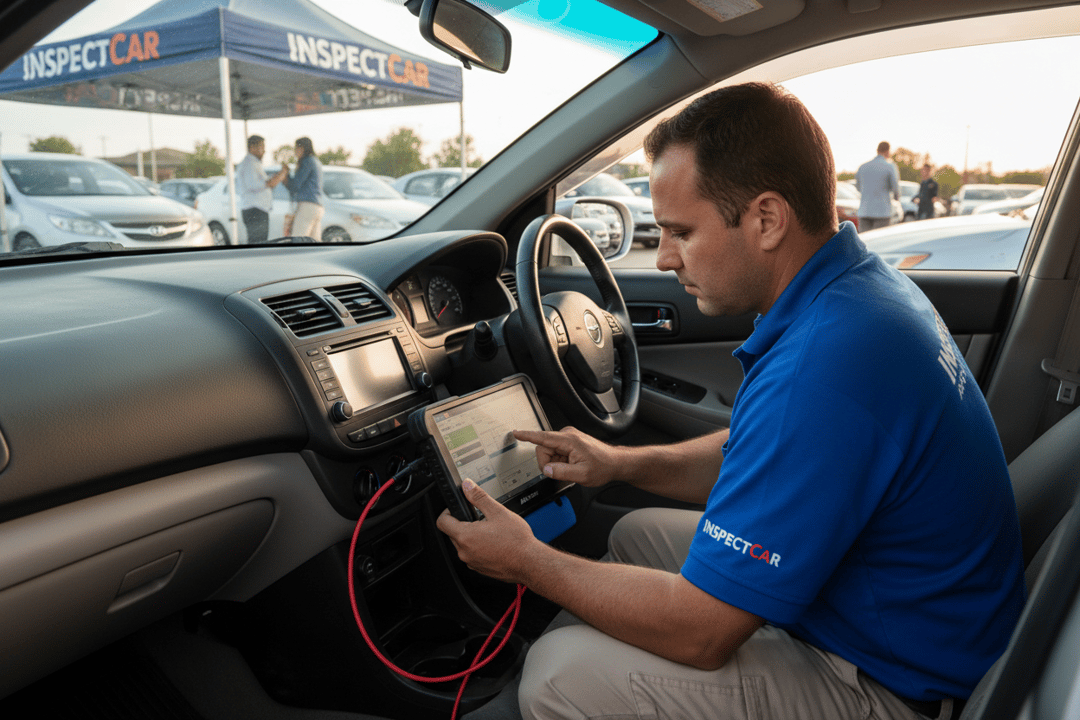
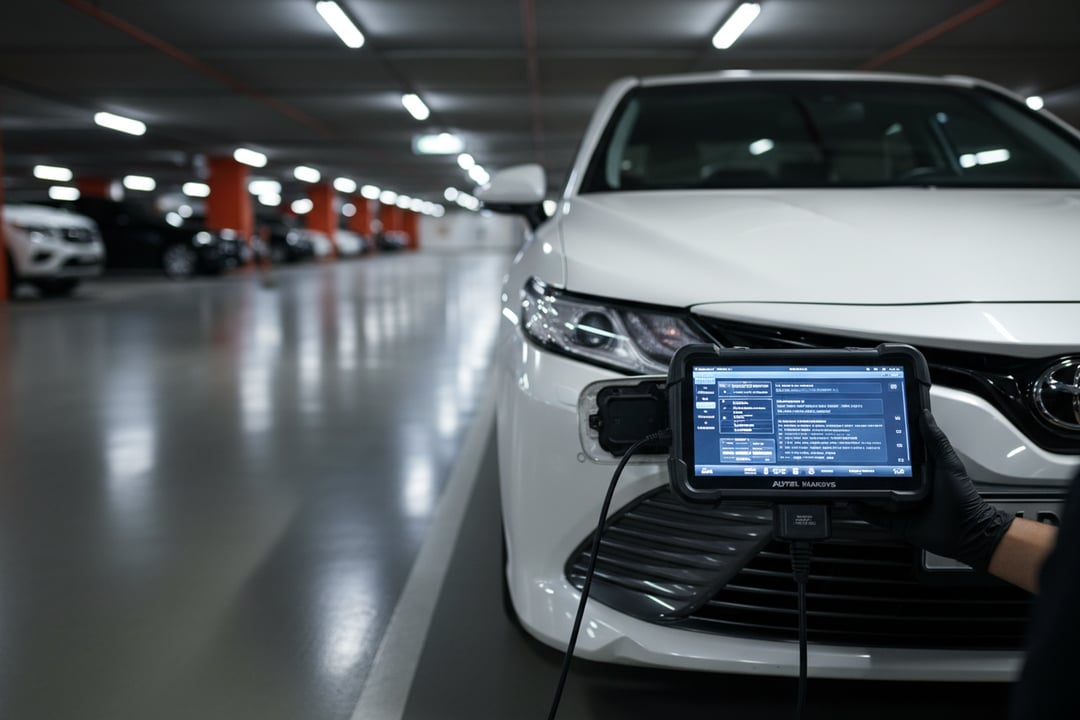
Connecting the dashboard to the vehicle's computer system is a standard part of a professional evaluation. The need for a comprehensive diagnostic scan cannot be overstated, as it verifies that all warning lights are functioning and that no error codes are stored in the Engine Control Unit (ECU). Issues detected here, such as airbag system faults or sensor malfunctions, often require specialized equipment to reset or repair, making a pre-purchase inspection essential before assuming a fault is minor.
Steering Wheel Condition and Mounting Integrity
The steering wheel is the primary interface between the driver and the vehicle's safety systems. In a pickup truck, which is often used for heavy payloads or towing, the torque applied to the wheel can be significant. The condition of the steering wheel reveals how the vehicle was handled and whether it has been involved in accidents that compromised the steering column. A worn-out steering wheel is not just an aesthetic issue; it compromises the grip and control of the vehicle.
- Wear Pattern Analysis: Inspectors examine the wheel for uneven wear on the leather or rubber. A worn grip on the right side of the wheel suggests the vehicle was driven primarily by a right-hand drive individual or frequent right-turning maneuvers.
- Airbag Cover Integrity: The airbag cover must be smooth and free of discoloration or bulging. A bulging airbag cover is a critical warning sign of a failing airbag system that could deploy unexpectedly or fail to deploy upon impact.
- Mounting Bolts: The steering wheel must be firmly attached to the column. Loose bolts allow play in the wheel, which drastically increases stopping distances and handling unpredictability during high-speed driving.
Damage to the steering wheel area often points to a more significant underlying issue, such as a collision that pushed the column into the dash. If the airbag has been deployed in the past, it must be replaced with a genuine part; a non-deployed airbag from a different vehicle may also be compromised. A professional inspection ensures that the entire airbag system, including the clock spring within the column, is replaced correctly to maintain the vehicle's safety ratings.
Upholstery and Seating Systems
Seating in a pickup is subjected to a different type of stress than in a sedan. The occupants may be exposed to dust, sharp objects, or moisture from shifting loads. Fabric upholstery in pickups is prone to tearing and staining, while leather, if not maintained, can crack and peel under the relentless UAE sun. The functionality of the seat adjustment mechanisms is also a critical factor, as these motors and levers often fail due to heavy use.
Inspectors must check the condition of the seatbelts, which are critical safety components that degrade over time. Fraying, discoloration, or a slow latch mechanism indicate that the belt may not retract properly or hold firmly during an accident. Additionally, the condition of the floor mats and carpets reveals whether the vehicle was used for off-road activities or hauling dirty materials, which can lead to permanent staining and mold growth if not addressed promptly.
Electronics and Climate Control Systems
The electronics within a pickup's interior are more complex than in a standard car due to the integration of auxiliary power outlets, towing packages, and advanced connectivity systems. The air conditioning system is arguably the most vital interior component in the UAE climate; a malfunction here renders the vehicle uncomfortable and can be a sign of a larger refrigerant or compressor issue. Inspectors test every AC vent to ensure consistent airflow and temperature.
- AC Performance: The AC system must cool the cabin efficiently. Low refrigerant levels or a failing compressor not only reduce comfort but can lead to increased engine load and reduced fuel economy.
- Infotainment and Navigation: Touchscreens and navigation systems should respond immediately to input. Lagging or frozen displays may indicate a failing motherboard or water damage from previous leaks.
- Wiring Harnesses: Inspectors look for exposed wires or chewed insulation, which suggests rodent activity, a common issue in parked vehicles during the summer months.
Corrosion is a silent killer of vehicle electronics, particularly in the coastal Emirates. Moisture can seep into the dashboard through the windshield seal or the glove box, leading to short circuits. A professional inspection identifies these moisture trails early, preventing expensive electrical repairs later.
The Value of a Professional Inspection Service
Determining the true condition of a used pickup requires more than a casual visual walk-around. A vehicle may look clean on the surface, but hidden issues in the chassis or electrical systems can lead to significant financial loss. Professional inspection services provide a detailed roadmap of the vehicle's health. By utilizing advanced diagnostic tools and trained eyes, inspectors can uncover issues that are invisible to the untrained buyer.
In the UAE market, where high mileage is common, relying on a professional inspection is a strategic financial decision. It prevents the purchase of vehicles with hidden structural damage or severe mechanical faults. This service is particularly important for buyers who are not present to inspect the vehicle in person or who are purchasing from a seller who may not disclose known defects.
AutoFay Inspection Packages and Categories
Professional vehicle inspection services offer structured packages designed to cover different levels of diligence. These packages typically range from basic computer diagnostics to comprehensive full-vehicle inspections. A comprehensive package is recommended for high-value pickups or vehicles with significant mileage, ensuring every aspect of the vehicle is scrutinized.
| Inspection Category | Key Interior Checks | Estimated Service Price |
|---|---|---|
| Computer Diagnostic | Engine, Transmission, ABS, Airbag Codes | AED 99 |
| Body & Computer | Panel-by-panel paint integrity, OBD scan, Frame | AED 250 |
| Comprehensive | Full mechanical, suspension, tires, fluids, road test | AED 299 |
Each of these packages offers a different depth of analysis. The basic computer diagnostic scan is valuable for identifying error codes without a physical inspection. However, for a pickup truck, a comprehensive inspection is the only way to ensure the vehicle is safe for heavy-duty operations. This service includes a road test to evaluate acceleration, braking, and noise levels, providing a holistic view of the vehicle's mechanical state.
Order Your Mini Inspection Certificate with AutoFay - From AED 250
Our inspector comes to your vehicle across all 7 UAE emirates. Same-day digital inspection report.


0 Comments
No comments yet. Be the first to share your thoughts!