

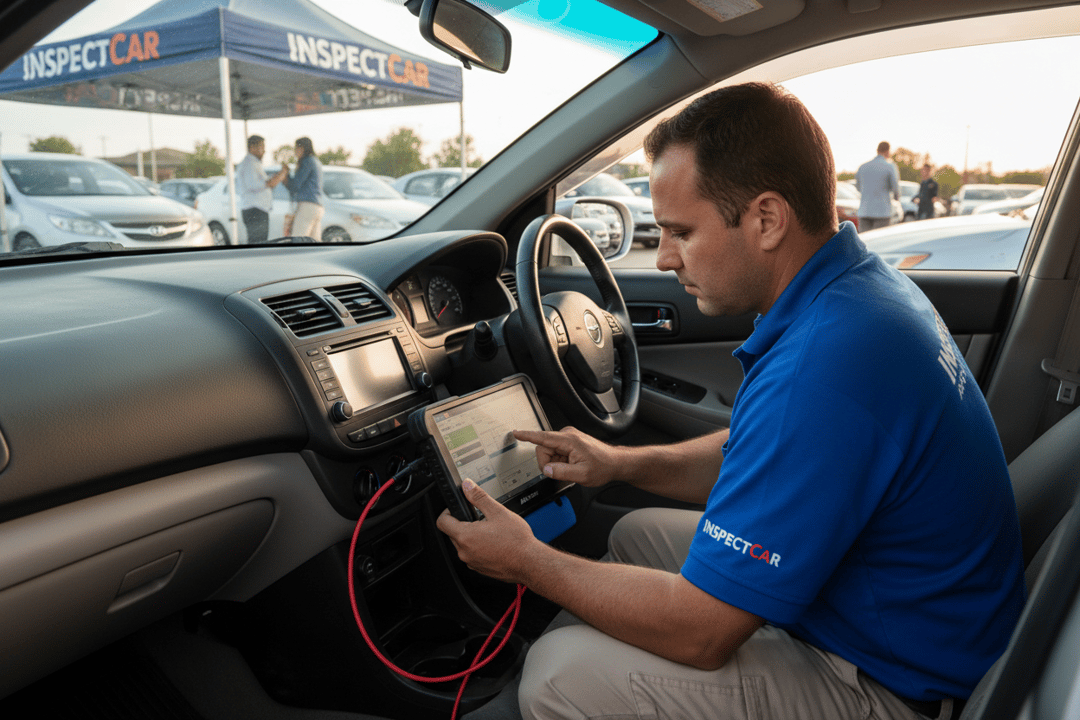
The interior of a vehicle serves as the primary interface between the driver and the machine, offering critical insights into the car’s history, usage intensity, and potential hidden faults. While body panels indicate collision history, the cabin reveals the true maintenance discipline and operational stress placed on the vehicle. At autofay.ae, our experienced inspectors treat the interior with the same rigorous scrutiny as the engine bay, integrating these checks into our comprehensive 410+ checkpointlist across 25 distinct categories. This inspections operate across all seven Emirates, ensuring that a detailed inspection is always accessible regardless of the vehicle's location.
The Dashboard and Instrument Cluster: More Than Just Gauges
The dashboard is the command center of the vehicle. Inspectors analyze the dashboard for signs of stress cracking, which often occurs when plastic components are exposed to extreme heat or impact. A cracked dashboard is not merely a cosmetic issue; it can indicate that the vehicle was subjected to high temperatures or physical trauma that compromised the structural integrity of the plastic housing.
Furthermore, the instrument cluster requires a functional assessment. Inspectors verify that all gauges—speedometer, RPM, fuel level, and temperature—respond accurately to changes in driving conditions. A malfunctioning cluster can provide false data, leading the driver to misjudge fuel levels or vehicle speed. In modern vehicles, cluster failure often correlates with issues in the car's central computer, making this a vital diagnostic point.
- Climate Control Integrity: Inspectors test every button, dial, and vent on the dashboard. Malfunctioning climate control systems often point to a failing heater core or a blocked AC condensate drain, which can lead to water accumulation inside the cabin.
- Warning Lights: Inspectors check the dashboard for persistent warning lights, such as the airbag, ABS, or check engine light, to determine if the system has been tampered with or if a critical component is failing.
The Steering Wheel: The Safety Interface
The steering wheel is the primary control hub, making its condition a direct reflection of the vehicle's safety history. Inspectors carefully examine the steering wheel for airbag deployment indicators, which appear as small circles or bumps on the rim. These indicators prove the airbag has been deployed, and the steering wheel has been replaced, which is essential information for structural safety.
Inspectors also check the "clock spring," a coiled wire assembly located behind the steering wheel that connects the steering wheel controls (cruise, radio, horn) to the car's electrical wiring. If the clock spring is damaged, aftermarket controls may cease to function, and the airbag may fail to deploy during a collision. A worn-out steering wheel rim or loose airbag cover also suggests the vehicle has been in an accident, as the force of impact often damages the steering column or the airbag housing itself.
Seats: Comfort, Integrity, and Theft Indicators
The condition of the seats provides a detailed account of the car's usage. Inspectors visually inspect the upholstery for tears, burns, or excessive wear on the bolster edges. However, visual inspection is often insufficient to detect repairs.
Inspectors perform a "seat pull-up" test, gripping the fabric near the seams and pulling it upward to check the padding underneath. If the fabric stretches or the foam is compressed, it indicates that the seat has been repaired in the past, likely due to a collision or severe wear. This repair method, where new foam is placed beneath torn material, fails over time and can lead to sagging. Additionally, inspectors check for missing VIN stickers on the seat backs, which can be a red flag for theft or misrepresentation of the vehicle's identification number.
The Headliner: The Ceiling of Safety
The headliner, or roof lining, is the first area inspectors check for water damage. Stains, yellowing, or sagging fabric usually indicate a leak, often caused by a blocked AC condensate drain, a faulty sunroof seal, or a broken windshield gasket.
Water intrusion behind the headliner can lead to electrical shorts in the roof-mounted electronics, such as sunroof motors or interior lighting. It can also promote the growth of mold and mildew, which pose health risks to occupants and can cause a persistent musty odor that is difficult to remove. A properly installed headliner is secured with high-quality glue or clips; a loose headliner is a safety hazard that could fall onto occupants during sudden braking or an accident.
Integrating Interior Checks with a Comprehensive Inspection
The findings within the cabin must be evaluated in the context of the vehicle's overall condition. A pristine exterior with a damaged interior suggests the car may have been stored indoors and driven sparingly, or conversely, that the interior was replaced to hide the true age of the vehicle. To ensure a holistic understanding of the asset, buyers should utilize a structured inspection process.
autofay.ae offers three distinct packages designed to cover every angle of the vehicle, from the computer diagnostics to the structural integrity of the frame. The packages are structured to provide varying levels of depth based on the buyer’s budget and risk tolerance.
| Package | Price (AED) | Key Inclusions |
|---|---|---|
| Computer Diagnostic | 99 | OBD scan for engine, transmission, ABS, and airbag codes. |
| Body & Computer | 250 | Panel-by-panel body check (original/repainted/repaired) plus OBD scan. |
| Comprehensive | 399 | Full 410+ checkpoint inspection including frame integrity, engine sound, brakes, suspension, tires, and fluids. |
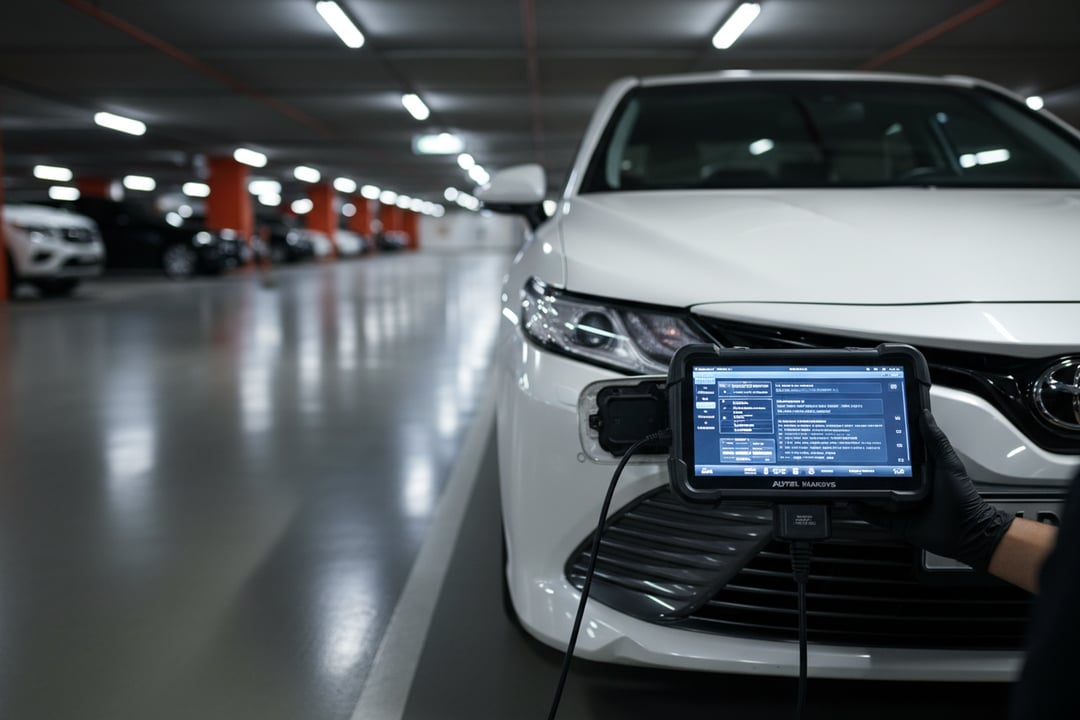
For example, if the interior inspection reveals a water leak in the headliner, the comprehensive package will extend the inspection to the roof rails and pillars to verify if the vehicle has suffered from frame corrosion. Similarly, a dashboard warning light, identified during the interior check, will trigger a full engine diagnostic scan as part of the comprehensive assessment.
AutoFay inspects 410+ checkpoints with HD photos and PDF report. Book at autofay.ae or call +971542584458


0 Comments
No comments yet. Be the first to share your thoughts!