


The automotive climate control system in sedans is often the most frequently used component, yet it is also the most prone to degradation in the UAE climate. When purchasing a used sedan, the condition of the HVAC system dictates not only comfort but also the vehicle's overall mechanical integrity. A malfunctioning system often signals underlying issues with the engine or electrical systems, making a thorough inspection a critical step in the buying process.
The Heat Factor: Why HVAC Matters in Sedans
Sedans present a unique thermal challenge compared to SUVs due to their larger glass surface area and lower ride height. This design traps solar radiation and ambient heat against the cabin, placing a heavier load on the air conditioning compressor. If the HVAC system fails to counteract this heat, the cabin temperature can exceed the external temperature by several degrees. This thermal load leads to rapid moisture accumulation on windows, reducing visibility, and causes driver fatigue, which compromises reaction times.
A functional climate control system also serves as a diagnostic tool for other vehicular systems. For instance, the system relies on the engine’s serpentine belt to drive the compressor. If the belt slips or the tensioner is weak, the vehicle may overheat. Furthermore, the system's electronic modules communicate with the car's central computer, meaning a failing HVAC unit can sometimes trigger error codes in the OBD system.
Inspecting the A/C Compressor
The A/C compressor acts as the heart of the cooling system, pressurizing the refrigerant to facilitate heat exchange. During a professional inspection, the focus is on the external integrity of the compressor housing and the clutch assembly. Technicians examine the compressor for signs of oil leaks, specifically around the pulley and the shaft seal. Refrigerant carries essential lubricant; a leak indicates that lubrication is depleting, which will cause the compressor bearings to fail prematurely.
Vibration analysis is another critical check. A compressor that is failing internally creates a rhythmic grinding or squealing noise that can be felt through the engine mounts. If the compressor clutch fails to engage or spins freely without moving the internal vanes, the system will not cool. This mechanical failure forces the engine to work harder, potentially affecting fuel economy and accelerating wear on the drive belt.
Verifying Air Temperature and Performance
The subjective term "blows cold" must be translated into measurable data during a technical inspection. Inspectors utilize infrared thermometers to measure the temperature of the air exiting the vents versus the temperature of the evaporator core itself. In a working system, the evaporator core should be significantly colder than the ambient air temperature, typically between 0 and 4 degrees Celsius. This ensures the system effectively removes heat and humidity from the cabin air.
It is necessary to verify the system's response time and pressure balance. A system that takes an excessive amount of time to reach peak cooling indicates a low refrigerant level or a clogged expansion valve. Conversely, a system that cools too quickly but fails to maintain pressure suggests a leak in the condenser or the evaporator core. Both scenarios compromise the longevity of the compressor and the evaporator, leading to expensive component replacement.
The Blower Motor and Airflow Dynamics
While temperature determines if the air is cold, the blower motor determines if the air is delivered to the passenger compartment. This electric motor is responsible for pushing air through the HVAC housing and the ventilation ducts. A failing blower motor often exhibits reduced airflow at higher speeds, as the motor windings weaken under the load. In severe cases, the motor may stop working entirely, rendering the cooling system useless regardless of its temperature output.
The inspection includes listening for abnormal noises, such as buzzing or whining, emanating from the dashboard. These sounds usually indicate a faulty resistor or a broken fan blade. Additionally, the inspection should cover the cabin air filter, as a clogged filter restricts airflow, mimicking a failing blower motor. Ensuring the blower motor functions correctly is essential for maintaining cabin pressure and preventing fogging on the windshield.
Integrated Inspection Approaches
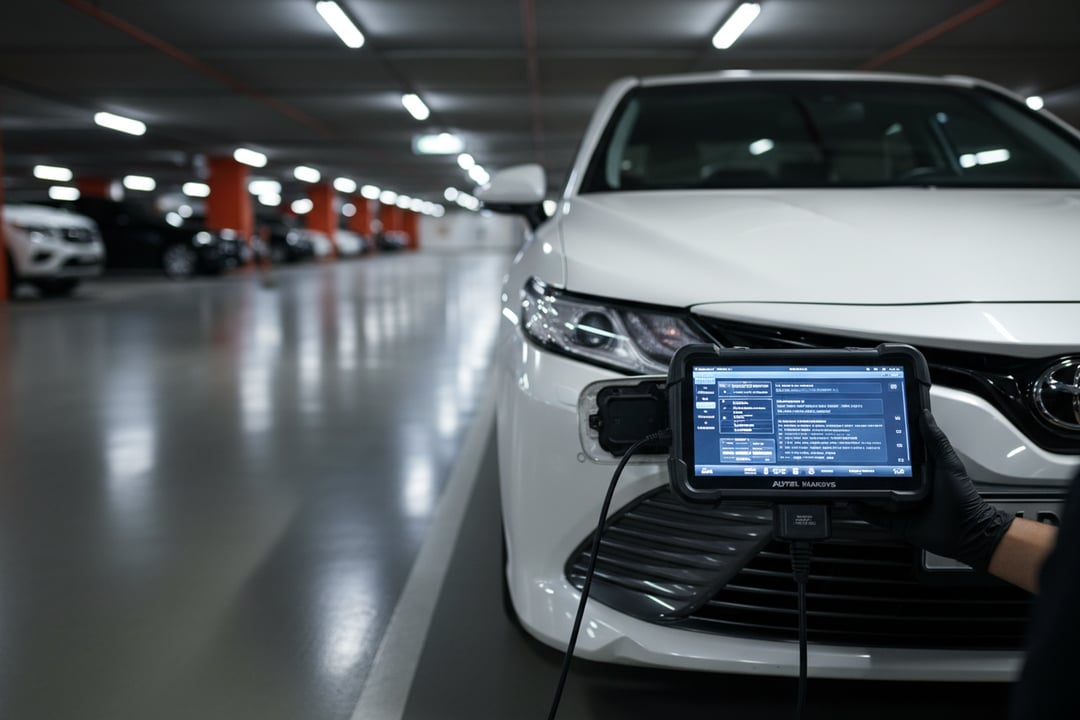
A comprehensive vehicle evaluation must contextualize HVAC performance within the broader mechanical health of the sedan. Reliance on a visual inspection alone is insufficient, as many internal HVAC components are hidden from view. The modern approach involves connecting diagnostic tools to the vehicle's computer to read air conditioning specific error codes. This step ensures that sensor malfunctions, such as a faulty cabin temperature sensor, are identified before they affect system operation.
Professional inspection services provide a granular breakdown of vehicle health. For instance, a review of the engine category will reveal if the AC compressor is placing undue strain on the engine mounts or the belt tensioner. The suspension category is relevant because suspension geometry affects airflow dynamics around the radiator and condenser, which are located at the front of most sedans. This interconnectedness means that a HVAC issue can sometimes be a symptom of a suspension or cooling system problem.
Service Packages and Diagnostic Value
Choosing the appropriate level of inspection is crucial for identifying HVAC issues without unnecessary expense. Some minor concerns can be addressed with targeted diagnostics, while complex mechanical failures require a broader scope. The following table outlines the available inspection packages offered by AutoFay, detailing the scope of checks relevant to HVAC and other critical systems.
| Package Name | Price (AED) | Scope of Inspection |
|---|---|---|
| Computer Diagnostic | 99 | Scans engine, transmission, ABS, and airbag codes. Identifies electrical faults in the HVAC control module. |
| Body & Computer | 250 | Includes panel-by-panel body and paint inspection, plus the computer diagnostic scan. Covers frame and suspension basics. |
| Comprehensive | 399 | Covers 410+ checkpoints across 25 categories. Includes fluid levels, tire condition, road test, and full OBD scan. |
The Computer Diagnostic package is ideal for buyers who suspect an electronic issue with the climate control unit but need a quick confirmation of the fault code. The Body & Computer package adds a visual assessment of the vehicle's exterior condition, which is useful for checking for condenser damage from road debris. The Comprehensive package provides the most thorough evaluation, ensuring that the HVAC system is not only functional but also properly integrated with the brake, fluid, and electrical systems of the sedan.
Utilizing a on-location inspection service allows for a detailed assessment at the seller's location. This convenience ensures the vehicle is inspected in its natural environment, where the HVAC system faces actual operating conditions. The resulting report typically includes HD photos and PDF documentation, offering a clear record of the vehicle's condition for future reference.
AutoFay inspects 410+ checkpoints with HD photos and PDF report. Book at autofay.ae or call +971542584458.




0 Comments
No comments yet. Be the first to share your thoughts!