


Driving through the intense heat of the United Arab Emirates requires more than just a mechanical engine; it demands a functional climate control system to maintain cabin comfort and prevent driver fatigue. When purchasing a used vehicle, the Heating, Ventilation, and Air Conditioning (HVAC) system is often overlooked until summer arrives. However, the integrity of this system reveals critical information about a car's history and potential future maintenance needs. A professional inspection goes beyond checking if the fan turns on; it analyzes the complex interplay of mechanical and electrical components that keep you cool.
The A/C Compressor: The System's Heart
The A/C compressor acts as the heart of the refrigeration cycle, circulating refrigerant through the system to absorb and release heat. This component is a belt-driven or electrically driven pump that compresses low-pressure gas into high-pressure gas. During an inspection, a professional evaluates the compressor's physical condition, listening for abnormal noises such as squealing, grinding, or rattling that indicate a failing bearing or internal wear.
Consequences of a failing compressor extend beyond a warm cabin. If the internal seals fail, refrigerant leaks will occur, causing the system to lose pressure. Once pressure drops below the operating threshold, the compressor can suffer catastrophic internal damage, rendering the entire air conditioning unit non-functional. Identifying a failing compressor early prevents a minor service issue from escalating into a total replacement, which involves flushing the entire system to remove metal shavings.
Air Temperature Verification: Does It Blow Cold?
The most immediate test of an HVAC system is whether it delivers air at a consistent, low temperature. In the UAE, the expectation for air conditioning is immediate cooling, ideally reaching temperatures between 2 to 4 degrees Celsius. Inspectors verify this by setting the system to the coldest setting, recirculation mode, and maximum fan speed. The test is conducted at varying ambient temperatures to ensure performance consistency.
If the air blows warm or lukewarm, the issue may lie with the condenser, evaporator, or a low refrigerant charge. However, consistent warm air could also indicate a clogged expansion valve or a malfunctioning blend door that fails to divert hot engine heat away from the cabin. A thorough inspection looks for ice buildup on the refrigerant lines, which signals a blockage or an overcharged system. Without professional diagnostic tools, these symptoms are often misdiagnosed as a simple lack of gas, leading to unnecessary recharges that do not resolve the underlying mechanical fault.
The Blower Motor: Airflow Control
While the compressor generates the cold, the blower motor is responsible for pushing that air through the vents and into the cabin. This electric motor is controlled by a resistor module and a fan speed switch. A common point of failure is the blower motor resistor, which regulates the electrical current to the motor; if it fails, the fan may only work on the highest speed setting.
Inspectors listen for unusual sounds emanating from the dashboard when the fan is engaged. A clicking or buzzing noise often suggests the motor bearings are worn, and the unit is on the verge of seizing up. Weak airflow is another critical finding; if the blower motor cannot generate sufficient suction, the evaporator coils may become clogged with condensation or debris, reducing the system's efficiency. In severe cases, a failed blower motor can cause mold and mildew to grow inside the evaporator case, creating musty odors that are difficult to remove.
Dual Zone Climate Systems: Complexity and Precision
Modern vehicles often feature dual-zone climate control, allowing the driver and passengers to set separate temperature preferences. This system relies on a network of sensors, including ambient temperature sensors, cabin temperature sensors, and sunload sensors, to modulate the airflow and temperature blend doors automatically. The complexity of this system increases the risk of electrical faults or sensor misalignment.
A malfunction in a dual-zone system can result in one side of the cabin remaining hot while the other remains cold, or the display readings fluctuating erratically. The blend doors are small flaps inside the dashboard that direct hot or cold air; if these doors break or become stuck due to a failed actuator, the system loses the ability to regulate temperature. Inspecting these complex systems requires specialized knowledge to differentiate between a simple sensor fault and a mechanical failure of the air distribution mechanism.
Diagnostic Packages and System Integration
Addressing HVAC issues requires more than a visual inspection; it demands a comprehensive analysis that fits within a reasonable budget. Understanding the diagnostic packages available ensures that a buyer does not pay for unnecessary services while missing critical faults. The scope of the inspection determines how deeply the HVAC system is probed against the vehicle's computer and physical components.
For buyers seeking a general overview of the vehicle's health, a standard diagnostic package is often the most efficient starting point. These packages integrate HVAC checks with broader systems to provide a holistic view of the car's condition. The following table outlines the available diagnostic packages and their specific relevance to HVAC and general vehicle health.
| Package Name | Price | Diagnostic Depth | Best For |
|---|---|---|---|
| Computer Diagnostic | AED 99 | Engine, Transmission, ABS, Airbag codes | Quick electrical check prior to purchase |
| Body & Computer | AED 250 | Panel-by-panel body inspection + Engine codes | Standard vehicle purchase and body assessment |
| Comprehensive | AED 299 | 410+ checkpoints across 25 categories | Full vehicle assessment including HVAC and suspension |
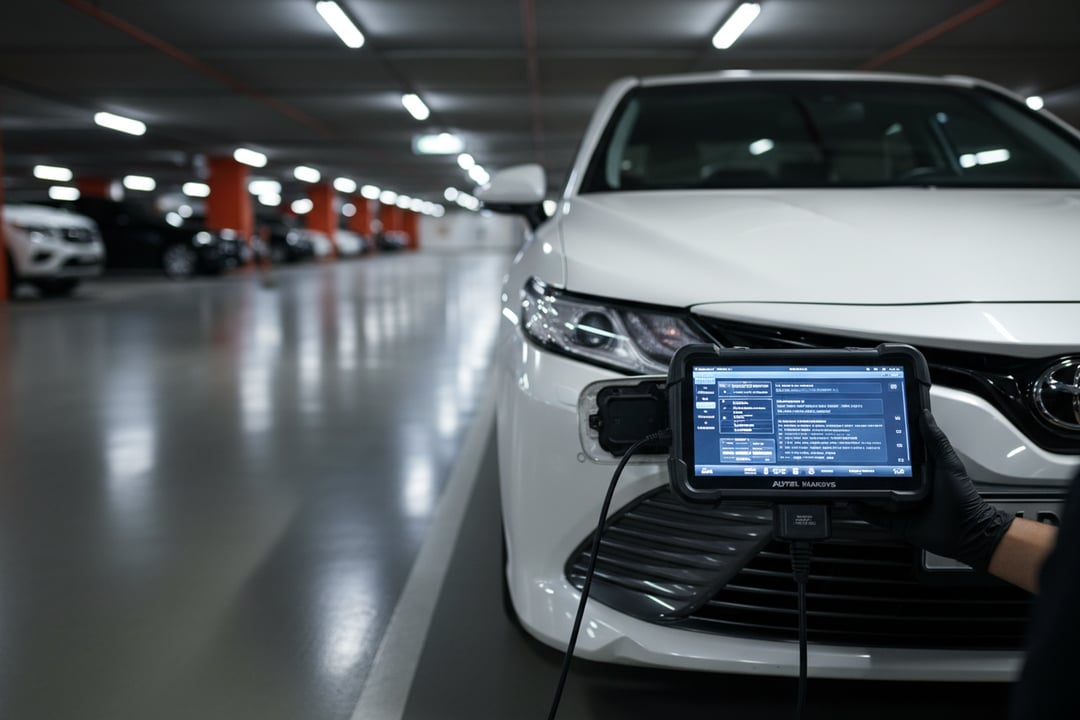
The Computer Diagnostic package scans the vehicle’s On-Board Diagnostics (OBD) port to retrieve trouble codes related to the climate control module. If the system detects a fault, the seller may be unaware, and the buyer can walk away from the deal. The Body & Computer package adds a visual inspection of body panels, which is useful for checking for previous accident damage that may have impacted the HVAC ductwork or the firewall.
The Comprehensive package represents the highest level of scrutiny, examining 410+ checkpoints across 25 categories. This level of detail is essential for high-value vehicles or those with unknown histories. It covers everything from body paint integrity to frame rails and suspension geometry, ensuring that no system is neglected during the evaluation process.
The Inspection Process: Professional Standards
A professional inspection service bridges the gap between a visual test drive and a full mechanical teardown. Services like AutoFay operate on 7 Emirates, offering a on-location solution that brings the inspection to the vehicle's location. This convenience allows buyers to have a experienced inspector evaluate the car under realistic conditions before signing any paperwork.
Inspectors verify the functionality of the HVAC system against the specific performance standards expected of that vehicle's make and model. They document every finding with high-definition photos and a comprehensive PDF report. This documentation serves as an objective record of the vehicle's condition at the time of inspection, protecting the buyer from undisclosed issues. Whether the vehicle is a standard sedan or a luxury SUV, a thorough HVAC check is a non-negotiable part of the pre-purchase process.
AutoFay inspects 410+ checkpoints with HD photos and PDF report. Book at autofay.ae or call +971542584458.




0 Comments
No comments yet. Be the first to share your thoughts!