


A pre-purchase inspection report becomes useful when you know what to do with each finding. A long list does not by itself tell you whether a car suits your needs, and a clear photograph of a scratch does not answer a question about an electronic warning. Read the report as a record of what could be observed at the time, then turn the important findings into specific questions before completing the purchase.
Start with the vehicle and inspection conditions
Check that the report concerns the vehicle you intend to buy, and review the identification details, date and location recorded in it. Then read the limitations. Was an area inaccessible? Could a function not be operated? Did conditions restrict visibility? These details affect how you interpret the result; they should not be skipped on the way to the photographs.
Distinguish between “no issue observed,” “not inspected” and “a finding requires follow-up.” The first describes the available observation, the second leaves a question open, and the third needs a next step. An item that could not be checked should not be treated as a satisfactory result.
Match each finding to its location and photograph
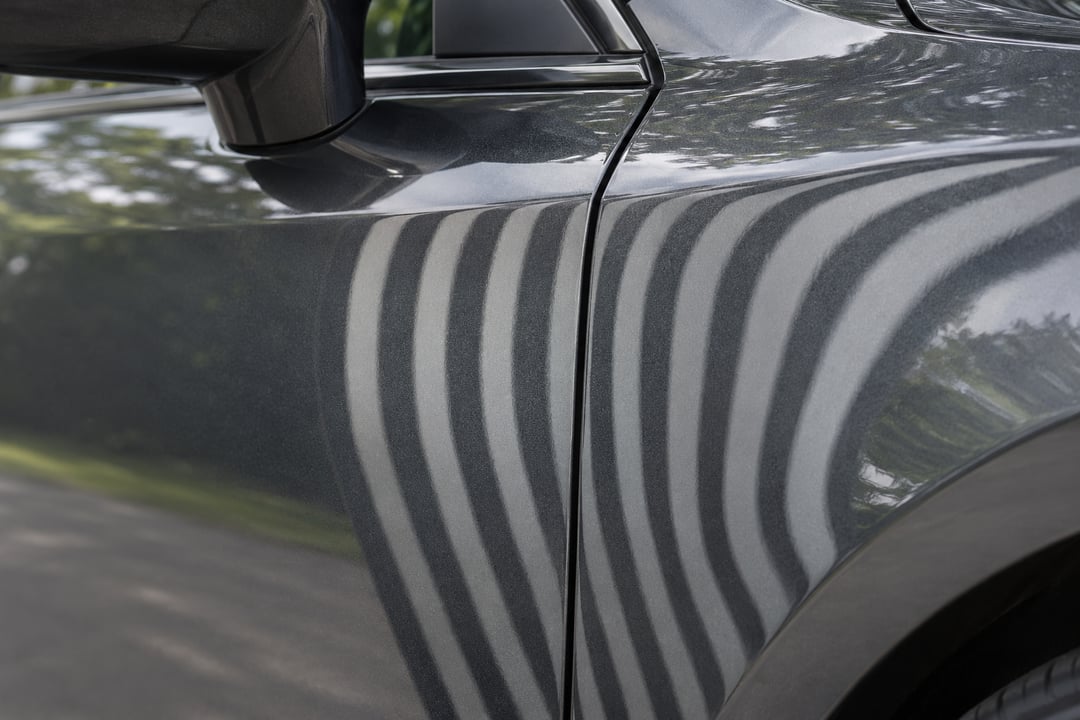
Read the description and identify the relevant area in any accompanying image. Ask whether the photograph shows the finding clearly or simply provides a general view. If you cannot tell which door, tire or side is described, request clarification before relying on it. A photograph helps explain what was seen; it does not by itself establish the cause or reveal everything behind enclosed components.
When several findings concern the same area, combine them into a question rather than assuming a connection. For example, ask whether a paint observation and a panel-gap observation on the same side justify further assessment. Request an explanation of the visible evidence instead of treating proximity as a confirmed diagnosis.
Give every finding an actionable next step
The examples below illustrate a reading method. They are not findings from a particular customer or vehicle:
| Finding | What it tells you | Next step |
|---|---|---|
| A photographed exterior-panel scratch | A visible mark is recorded at that location; the description alone does not establish its cause. | Decide whether you can accept it and obtain a separate treatment estimate if you want it addressed. |
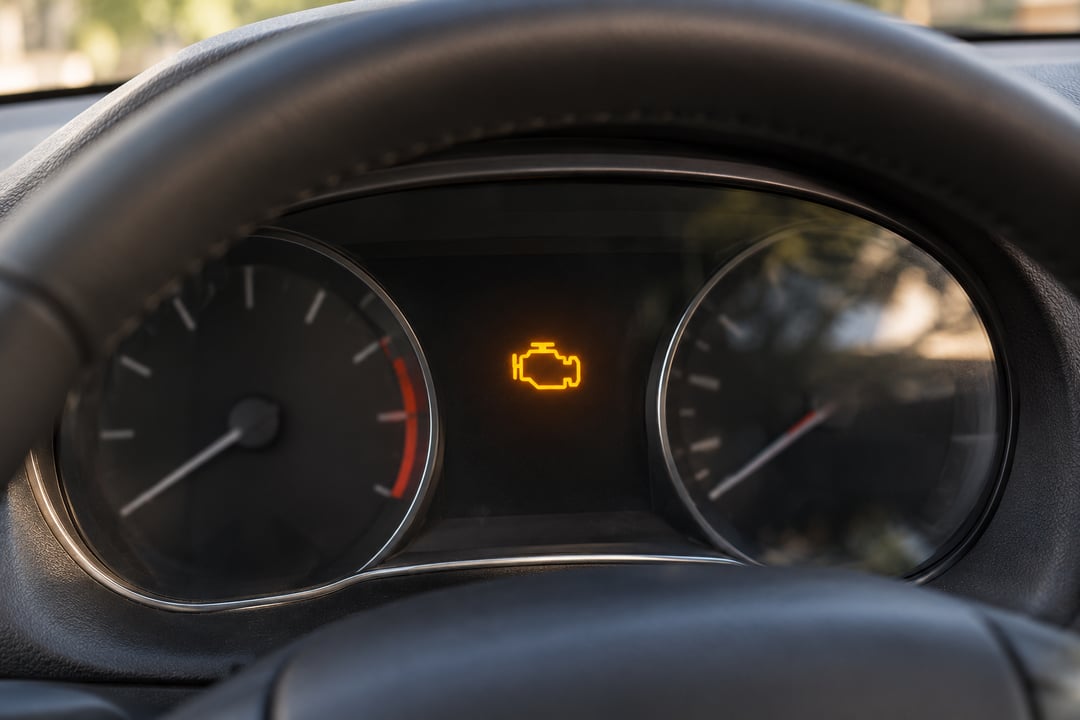
| A recorded warning or electronic code | Information needs interpretation in the context of the system and reading conditions; a code name is not a repair quotation. | Ask for clarification and establish whether specialist diagnosis is needed before purchase. |
| An item that could not be inspected | Information is incomplete because of the recorded restriction. | Ask how it can be completed and who can provide the required access or operating conditions. |
| A functional symptom with an unresolved cause | The observation describes the symptom, without necessarily identifying the responsible component. | Arrange suitable diagnosis instead of assuming that replacing one part will resolve it. |
Prioritise questions by their effect on your decision
Review safety-related concerns, essential functions and significant information gaps before routine maintenance and cosmetic marks. This is a way to organise your questions, not a substitute grading system. If a finding raises a concern about using the vehicle, seek clear guidance from the relevant professional rather than leaving the question until after ownership changes.
Write down three answers for each topic: what is known, what remains unknown and what would resolve the question. You can then discuss a specific issue with the seller, instead of labelling the whole car “excellent” or “bad” on the basis of one observation.
Separate condition findings from repair estimates
The US Federal Trade Commission’s buyer guidance recommends a written report and using repair estimates in price discussions. This is a practical reference, not a statement of UAE sales law.
Where work is needed, obtain a diagnosis and written estimate for the particular vehicle. Compare what each quotation includes. Do not invent a price reduction from a finding’s name alone. Keep any agreement with the seller in writing and identify follow-up that must be completed before the transaction.
Include the inspection’s limits in your purchase decision
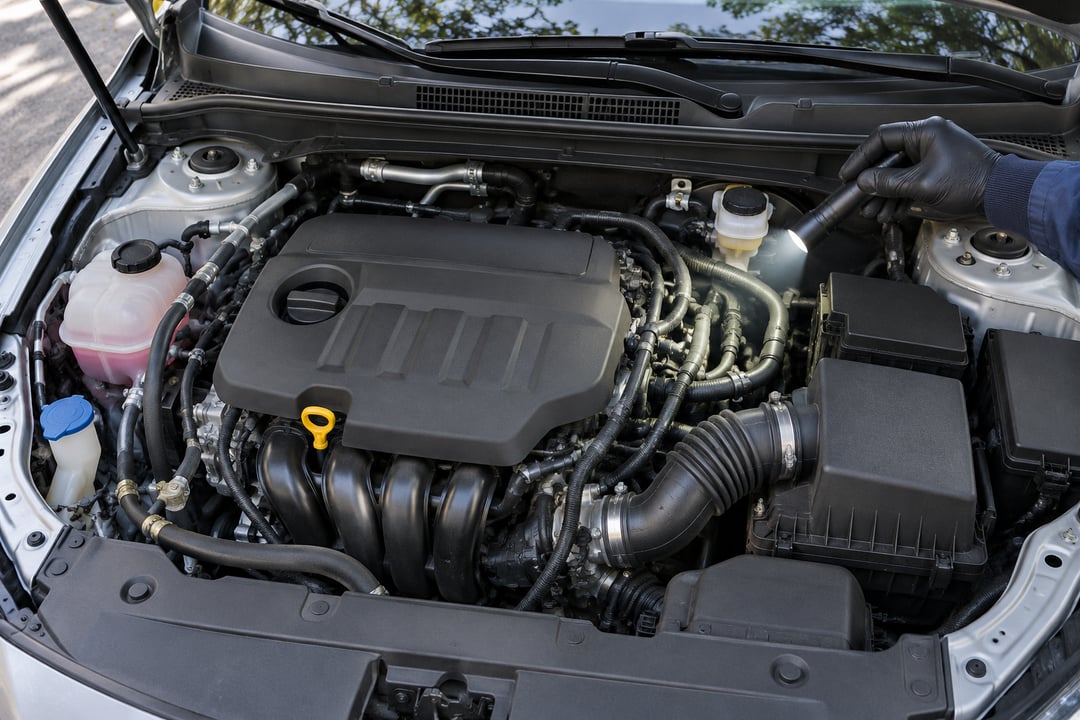
AutoFay provides visual, non-intrusive inspection with computer diagnostics and functional observations according to the package and available conditions. It does not dismantle components or inspect internal engine and transmission parts, and it cannot guarantee against future failures. Some findings require workshop diagnosis; the report does not replace that work.
Review the comprehensive pre-purchase inspection scope and use our guide to organising an inspection before paying a deposit to identify outstanding steps. You can book the comprehensive inspection using the correct vehicle and location details. The inspector comes to the vehicle.
Prepared by AutoFay. Editorial update: November 7, 2026.

0 Comments
No comments yet. Be the first to share your thoughts!