

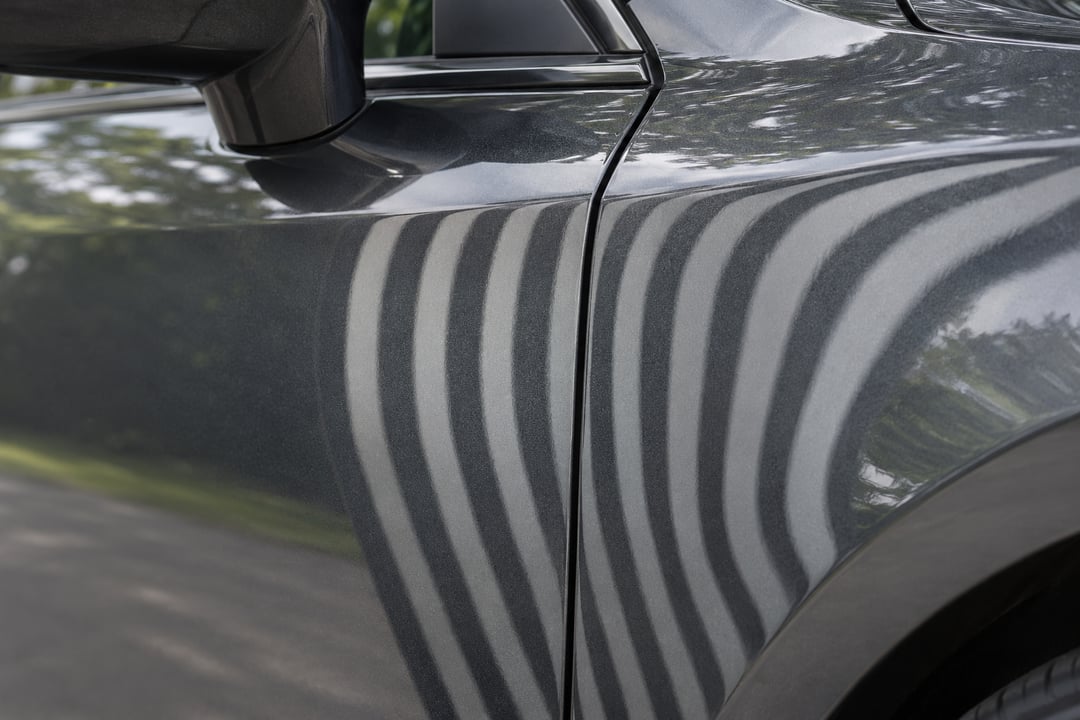
A glossy used car can have paintwork that deserves a closer look, while a visible scratch may be straightforward to document. When arranging a body and paint inspection before buying, ask more than whether the vehicle has been repainted. Find out where the observation is, what supports it and what still needs an explanation. That approach gives you a clearer basis for the next conversation with the seller.
Make the surface available to inspect
Arrange access around the vehicle, with belongings moved away from the panels and heavy surface dirt addressed. Tell the inspector if the car is in a narrow parking space or under a cover. The aim is not a cosmetic presentation that hides normal use. It is to make the surfaces observable and record any restrictions when access or visibility is unsuitable.
Instrument manufacturer DeFelsko explains that lighting and surface cleanliness affect visual assessment, while different panel materials require appropriate paint-thickness measurement methods. A reading from one instrument on an arbitrary surface should therefore not be treated as a complete answer.
Locate the observation before interpreting it
A note about paint becomes more useful when it identifies a panel and includes a clear description or supporting photograph. Is the observation on a door or a fender? Is it a difference in colour, surface texture or paint around an edge? Is the measured area the same area shown in the photograph? These questions keep separate observations from being combined into an unsupported conclusion.
Write down the seller's explanation of previous repairs before the inspection. Ask for available invoices or photographs with the seller's permission. If the inspection raises a question about that explanation, request clarification and records first. A missing invoice does not by itself establish why a repair happened, and an invoice does not replace checking the vehicle's present condition.
Why one thickness reading cannot tell the whole story
A measurement describes the location tested. Turning it into a complete account of the vehicle requires additional evidence and interpretation by the person carrying out the inspection. Ask how the result relates to the surrounding area, whether the surface was suitable for measurement and how confidently the observation can be described. Avoid asking for one universal number that separates every undamaged car from every accident repair.
The appropriate next step may be to request repair details or consult a body specialist. Where an area cannot be seen or reached, ask for that limitation to be recorded. An uninspected area should not become a reassuring statement, and an attractive exterior does not establish the condition of concealed components.
Separate appearance from the question that remains open
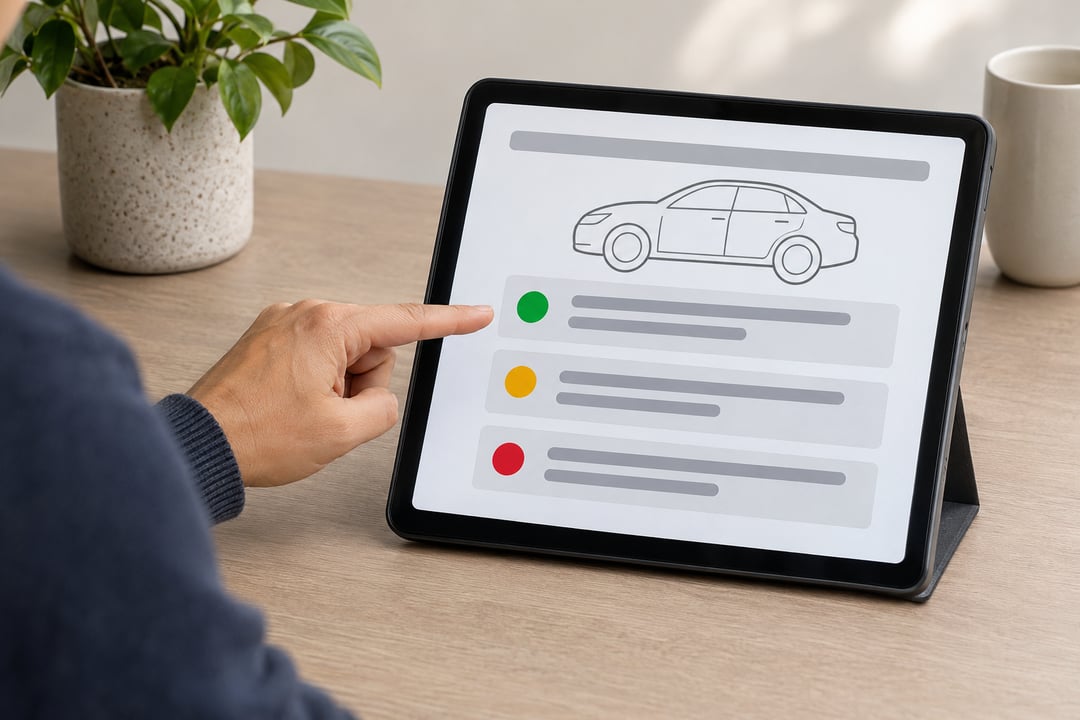
| Report observation | A useful follow-up question |
|---|---|
| A visible scratch or surface blemish | Does a photograph identify its location and extent? |
| A paint observation or differing measurements | What interpretation is supported, and what records would clarify it? |
| A finding needing specialist assessment | Who should assess it, and what must be resolved before purchase? |
| An inaccessible area | Can access be arranged before making the decision? |
This is a way to organise your questions, not an official damage grading system. Do not treat a cosmetic mark and an unresolved material concern as equivalent. A lower asking price does not explain a finding. If repair work is being considered, obtain a written quotation from the appropriate repair provider rather than turning a visual observation into an assumed cost.
How AutoFay fits into the purchase process
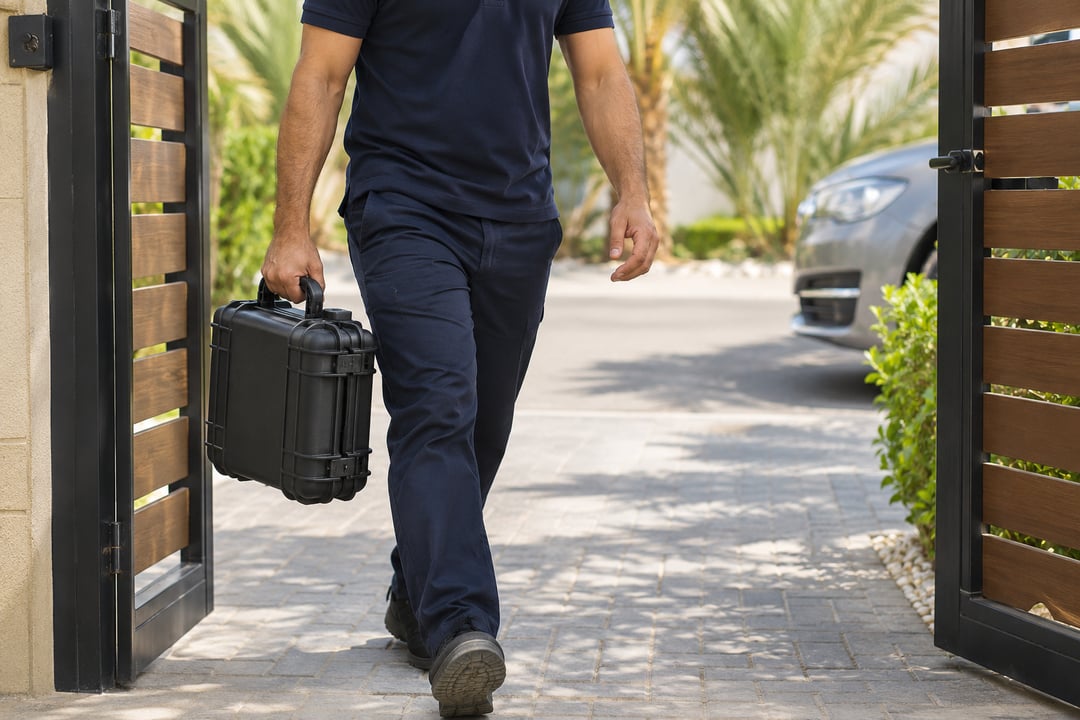
The inspector comes to the vehicle. Depending on the selected package and available conditions, the inspection combines non-intrusive visual observations, computer diagnostics and functional checks. It does not dismantle parts or examine internal engine or transmission components, and it does not guarantee detection of every defect or prevent future failures. Resolve any recommendation for further diagnosis before committing to the purchase.
Read the comprehensive pre-purchase inspection details and learn how to turn an inspection report into clear follow-up questions. To arrange a visit, book the comprehensive package and coordinate the vehicle location and access with the seller.
Prepared by AutoFay. Editorial update: November 7, 2026.
0 Comments
No comments yet. Be the first to share your thoughts!