


Inspecting glass components on used pickup trucks requires a focus on structural integrity rather than mere visibility. In modern automotive design, the windshield is not merely a window; it is a critical load-bearing component that contributes to the structural rigidity of the cab. For pickup owners and buyers in the UAE, a compromised glass panel can signal deeper issues related to frame alignment or previous accidents. Professional inspection goes beyond spotting scratches; it evaluates the safety and durability of the glass as it relates to the vehicle's overall chassis. Understanding the specific failures inherent in pickup glass types can prevent the purchase of a vehicle with compromised structural safety. This analysis highlights the essential checkpoints for windshields, rear windows, and side windows during a vehicle inspection.
The Structural Role of Windshield Integration in Pickup Frames
The windshield in a pickup truck plays a pivotal role in maintaining the structural box of the vehicle. During a rollover event, the windshield transfers the roof load to the A-pillars and down to the chassis rails. If the windshield is not perfectly bonded or if it has been replaced incorrectly, the structural integrity of the cab is compromised. This means that the roof may not crush inward as designed by the manufacturer. A experienced inspector must verify that the original bonding material is intact and that there is no separation between the glass and the frame.
Furthermore, the condition of the windshield affects the aerodynamics of the pickup bed. A cracked or misaligned windshield can create turbulence, leading to increased wind noise and reduced fuel efficiency. When inspecting a used pickup, look for signs of improper shimming or uneven gaps between the glass and the rubber molding, as these indicate past damage or poor repair work. This falls under the category of body and frame assessment, where the connection between the glass and the structural pillars is scrutinized.
Windshield Integrity and Damage Assessment
Damage to the windshield is often categorized by its location and size. Chips near the edges of the glass are particularly dangerous because they weaken the seal between the glass and the adhesive. In the UAE’s high-temperature environment, thermal expansion can cause these small chips to rapidly expand into jagged cracks, rendering the structural function of the glass ineffective. Inspectors must distinguish between laminated and tempered glass; the windshield is laminated, meaning it holds together when shattered, while side windows are tempered. This distinction is crucial because only a full replacement of the windshield will restore the vehicle's structural safety standards.
Visibility is paramount for road safety, and any defect that distorts the driver's view must be recorded. Scratches or pitting on the inner or outer surface can scatter light, reducing contrast and depth perception in bright sunlight or at night. Cloudiness or discoloration, often caused by UV exposure or the use of low-quality replacement glass, must be identified. These optical defects can impair the driver's ability to react to hazards quickly, increasing the risk of collision. A thorough inspection report should detail the exact location and dimensions of any damage to ensure the vehicle meets road safety standards.
Rear Window and Back Glass: Hinges and Seals
The rear window, or back glass, in pickup trucks is mechanically less complex than the windshield but presents distinct challenges related to weatherproofing and heat stress. The primary failure point here is the rubber sealing mechanism that keeps dust and water out of the cabin. Over time, the high ambient temperatures in the Emirates cause these seals to dry out and crack. This not only leads to water ingress into the cabin but can also allow dust and sand to accumulate in the rear floor pan. An inspector must press firmly around the seal to check for stiffness and brittleness.
Additionally, the rear window is subject to significant thermal expansion. This constant expansion and contraction can cause the metal window tracks and hinges to rust or seize. When inspecting the rear glass, check for smooth operation of the wipers (if equipped) and ensure the defogger lines are not damaged. A broken defogger line prevents the window from demisting, which is a critical safety feature in the UAE’s humid climate. Any signs of rust on the hinges indicate that the mechanism may be seized, making the glass difficult or dangerous to operate.
Side Windows and Tonnage Covers
Pickup trucks often feature tonnage covers or side windows that are made of polycarbonate or acrylic plastic rather than glass. These materials are highly susceptible to UV degradation. Even if the glass appears clear to the naked eye, microscopic UV damage can make the plastic brittle and prone to shattering. Inspectors must look for yellowing, crazing, or spiderwebbing on the surface of these windows. This degradation is irreversible and significantly reduces the safety of the tonnage cover.
Furthermore, side windows and their associated mechanisms are frequently tampered with for security reasons. Inspectors should verify that the window switches and latches function correctly. In some older models, the window regulator mechanism may be seized due to lack of lubrication or rust. If the vehicle has aftermarket tinting, it is vital to check for compliance with UAE regulations. Tint levels that are too dark can be a traffic violation and pose a significant safety hazard by reducing the driver's ability to see pedestrians or cyclists, especially at dawn and dusk.
The Value of Professional On-Location Inspection
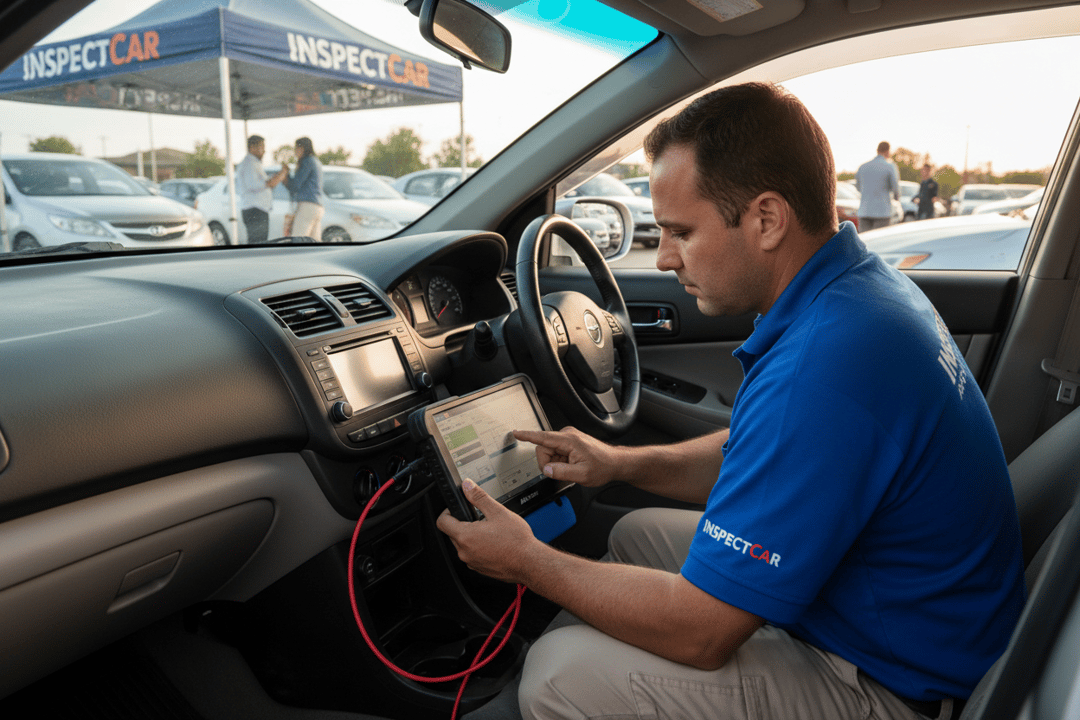
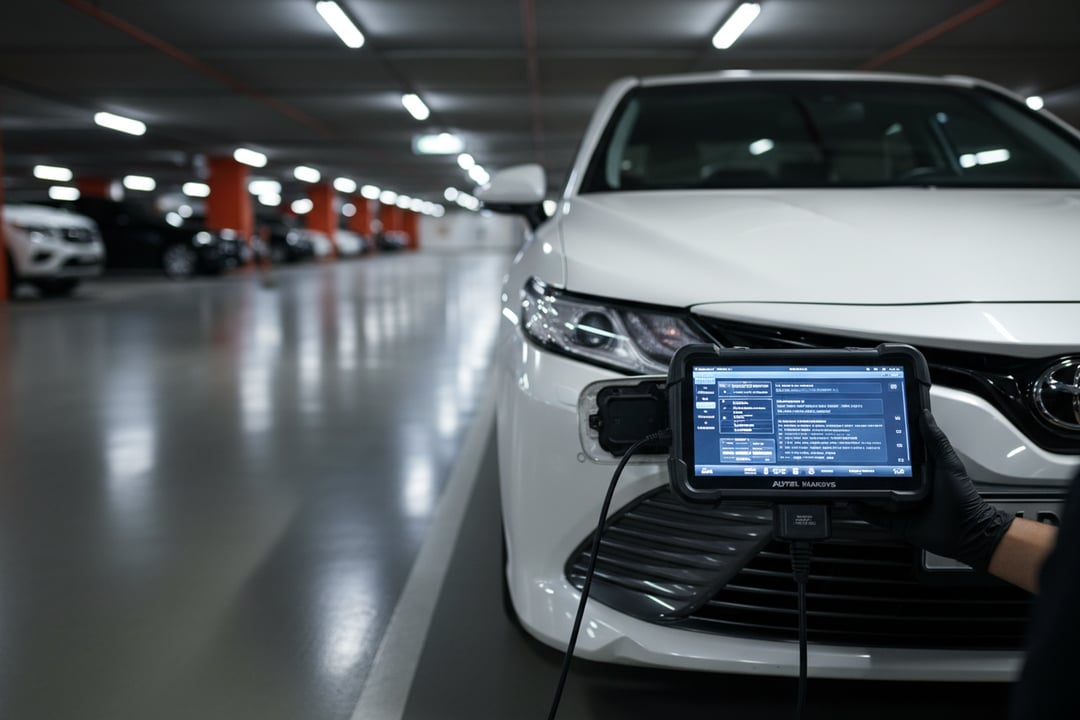
Attempting to inspect glass without professional tools often misses the subtle signs of previous damage or poor installation. On-location inspection services like AutoFay provide a comprehensive approach to vehicle evaluation. By utilizing a on-location inspection, inspectors can bring professional-grade lighting and diagnostic tools directly to the vehicle’s location. This ensures that every angle of the glass is examined under optimal conditions, revealing defects that a standard walk-around might miss. The services offered range from a quick computer diagnostic to a full body and frame inspection.
For buyers, investing in a higher-tier package is often necessary to ensure glass integrity is verified. The Body & Computer AED 250 package provides a deep dive into the vehicle's condition, including the verification of structural components like the windshield bonding and frame alignment. For the most thorough assessment, the Comprehensive AED 299 package covers 410+ checkpoints across 25 categories. This level of scrutiny ensures that a potential buyer is not just looking at cosmetic paint, but also at the hidden safety mechanisms, including glass integrity.
| Glass Component | Common Failure Point | Inspection Priority |
|---|---|---|
| Windshield | Edge chips, A-pillar bonding, shimming | High |
| Rear Window | Seal degradation, defogger lines, hinge rust | High |
| Side Windows | Regulator mechanism, tint compliance | Medium |
| Tonnage Covers | UV yellowing, plastic brittleness | Medium |
Visual verification is only the first step; the consequences of neglecting glass damage extend beyond aesthetics. A compromised windshield can lead to increased cabin noise at high speeds and draft issues. More critically, a failed structural seal can allow water to seep into the area between the glass and the A-pillar, leading to hidden mold growth and corrosion of the metal frame. By utilizing a professional inspection service, buyers can uncover these hidden maintenance costs before purchase.
AutoFay inspects 410+ checkpoints with HD photos and PDF report. Book at autofay.ae or call +971542584458.



0 Comments
No comments yet. Be the first to share your thoughts!