
SUVs demand a robust fuel system capable of delivering high volumes of fuel under high pressure. Unlike sedans, the fuel architecture of an SUV is designed to support heavier loads and higher performance outputs. Purchasing a used SUV in the UAE requires a deep technical understanding of these complex systems. A compromised fuel system can lead to immediate mechanical failure or long-term engine damage. Professional inspection is the only way to verify the integrity of these critical components before a purchase is finalized.
The Critical Role of the Fuel System in SUV Performance
The fuel system in an SUV serves a dual purpose: supplying engine power and managing emissions. Modern SUVs utilize high-pressure fuel pumps and sophisticated electronic sensors to optimize combustion. Any deviation from the manufacturer’s specifications can result in poor fuel economy, stalling, or reduced acceleration. Inspectors must verify that the fuel delivery rate matches the vehicle’s power requirements. A mismatch here indicates significant wear on the fuel pump or damaged injectors.
The Fuel Cap: The First Line of Defense
The fuel cap is often the most overlooked component in an inspection, yet it serves as the primary seal for the evaporative emissions control system. A damaged or missing cap allows fuel vapors to escape, triggering the "Check Engine" light and potentially violating emission standards. Inspectors must check for cracks, loose threads, or a degraded rubber gasket. On SUVs, the cap is frequently exposed to extreme temperature fluctuations and dust, accelerating rubber degradation. A faulty cap causes the onboard computer to store error codes, which a standard visual check will miss without a diagnostic scan.
- Vapor Pressure Regulation: The cap maintains the correct vacuum seal to prevent fuel vapors from escaping into the atmosphere.
- OBD Scan Accuracy: A loose cap will trigger false-positive codes in the oxygen sensor data stream.
- Physical Integrity: Plastic caps can become brittle and snap off during unscrewing, leaving the tank open to contaminants.
Fuel Tank Condition and Integrity
Many SUVs utilize larger fuel tanks located lower to the ground for stability, making them susceptible to underbody impacts. Inspectors must look for signs of fuel stains, corrosion, or dents on the tank itself. The location of the tank often means it absorbs the brunt of road debris and speed bumps. In the UAE environment, salt air can accelerate corrosion, leading to microscopic leaks that are invisible to the naked eye. A compromised fuel tank poses a severe fire hazard and can lead to a complete loss of vehicle mobility.
Inspecting Fuel Lines and Fuel Pumps
Fuel lines in SUVs are routed through the chassis and under the floorpan, areas prone to chafing against sharp metal edges. Inspectors must look for cracks, rust, or wet spots along the lines that feed the engine and the carburetor or fuel rail. The fuel pump, usually located inside the tank, is responsible for pushing fuel against high resistance. Symptoms of a failing pump include sputtering at high speeds or a whining noise during startup. If the pump fails, the engine will starve for fuel, causing sudden stalling while driving, a dangerous scenario for larger vehicles.
- Visual Inspection: Look for wetness, oil residue, or cracks in the rubber hoses and metal lines.
- Line Routing: Ensure lines are not rubbing against exhaust components or sharp chassis points.
- Fuel Pump Sound: Listen for unusual clicking or whining noises when the ignition is turned to the "On" position without starting the engine.
AutoFay Standards for Fuel System Analysis
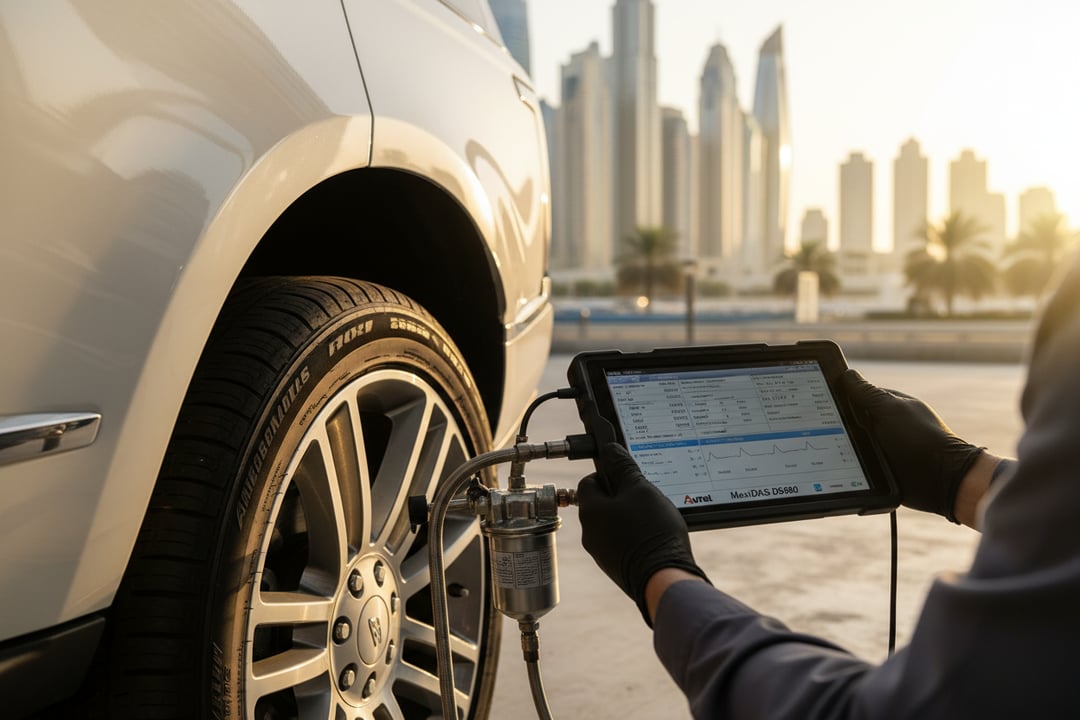
At AutoFay, we categorize fuel system checks under our Engine and Fluids sections. Our inspectors perform a rigorous road test to monitor fuel pressure stability under load. We utilize computer diagnostics to read communication errors between the fuel pump module and the engine control unit. Unlike basic walk-arounds, our process detects intermittent faults that occur only during specific driving conditions. We examine the fuel lines relative to the vehicle’s frame rails to ensure no structural corrosion has eaten through the protective coating.
| Inspection Category | Key Focus for SUVs | AutoFay Checkpoint |
|---|---|---|
| Body & Frame | Ground clearance impact on tank | Underbody corrosion on tank mounts |
| Engine | >Fuel pump pressure variance >Engine sound under acceleration||
| Fluids | >Fuel smell and leaks >Oil contamination from fuel||
| Computer Diagnostic | >EVAP system codes >Fuel sensor data integrity
Why Professional Inspection Matters
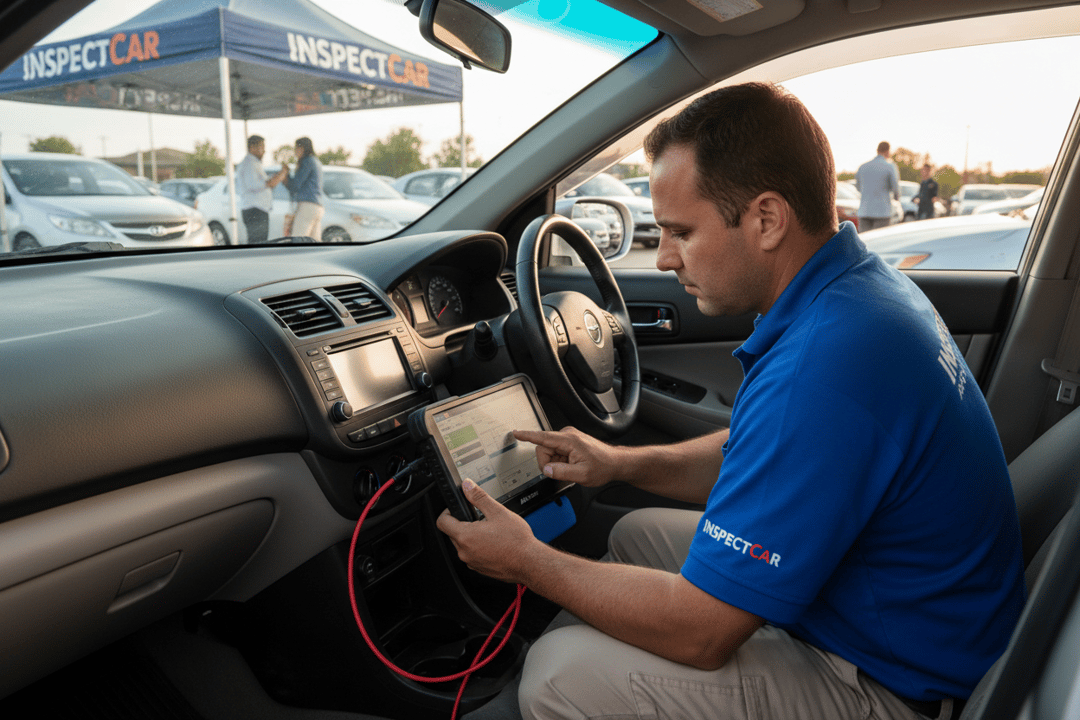
Attempting to diagnose fuel issues with visual observation alone is insufficient for modern SUVs. The complexity of the wiring harnesses and the sensitivity of the fuel sensors require specialized tools and trained eyes. Purchasing an SUV without a fuel system inspection is a gamble with significant financial and safety risks. An undetected leak can damage the catalytic converter or lead to fuel starvation on the highway.
AutoFay offers a comprehensive suite of inspection packages designed to cover every potential issue. We provide a on-location inspection across all 7 Emirates, bringing the inspection to the vehicle's location.
- Computer Diagnostic: Our AED 99 package scans for error codes related to the fuel system and emissions.
- Body & Computer: The AED 250 package combines visual body checks with our standard diagnostic scan.
- Comprehensive: Our AED 299 package covers the full 410+ checkpoints, including underbody fuel tank inspection and frame integrity.
Ensuring Long-Term Reliability
The fuel system is the lifeblood of any vehicle, and its failure is sudden and often catastrophic. An SUV with a history of poor fuel economy or frequent stalling almost certainly has a component failure that requires attention. By utilizing a professional inspection service like AutoFay, buyers can bypass vehicles with latent defects. We document every finding with HD photos and a detailed PDF report, providing a transparent record of the vehicle's health.
Do not risk buying a used SUV with a compromised fuel tank or lines. The potential for damage to the engine block and the risk of fire make this component non-negotiable for inspection.
AutoFay inspects 410+ checkpoints with HD photos and PDF report. Book at autofay.ae or call +971542584458



0 Comments
No comments yet. Be the first to share your thoughts!