
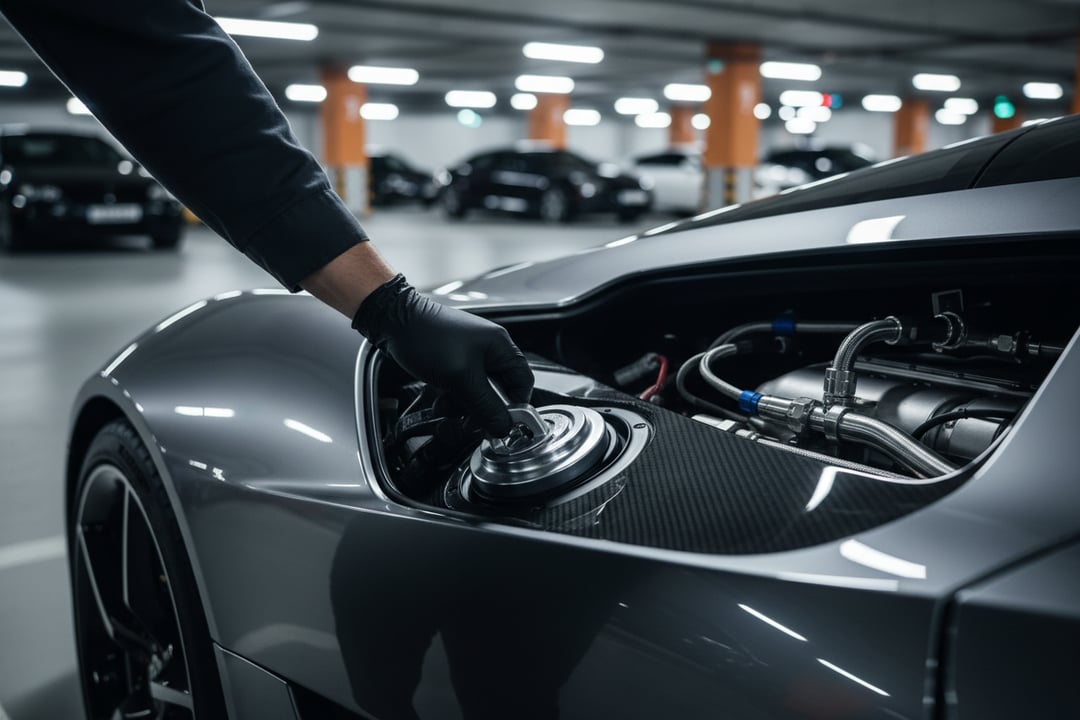
Inspecting the fuel system of a pre-owned luxury vehicle requires a forensic approach that goes beyond checking the fuel gauge. In the UAE climate, where extreme heat and sand exposure accelerate material degradation, the fuel system is one of the most critical components to evaluate. Luxury vehicles often utilize complex high-pressure injection systems and integrated unibody fuel tanks, making them more susceptible to specific failure modes than standard economy sedans. A compromised fuel system does not merely result in poor fuel economy; it poses significant safety risks, including engine stalling, reduced performance, and potential fire hazards.
The Role of the Fuel Cap in Evaporative Emission Control
The fuel cap is the first line of defense in a vehicle's evaporative emission control (EVAP) system. Its primary function is to seal the fuel tank, preventing fuel vapors from escaping into the atmosphere. In luxury vehicles, which are often equipped with tight tolerances and sensitive electronic sensors, a loose or degraded cap can trigger a cascade of issues. The EVAP system maintains a specific pressure balance within the tank. If this seal is compromised, the system can no longer maintain that balance, leading to the illumination of the "Check Engine" light.
Inspectors must verify the condition of the gasket and the locking mechanism. A damaged cap can fail to latch properly, especially if it has been subjected to the vibration of a long-term lease or ownership. Consequences of a faulty fuel cap include a failed emissions test and a noticeable drop in fuel efficiency. Furthermore, the raw fuel vapors escaping from a compromised seal can create an unpleasant odor inside the cabin and increase the flammability risk around the fuel tank.
- Torque Check: The cap must engage with a specific audible click to ensure the seal is tight.
- Gasket Integrity: The rubber gasket must be flexible and free of cracks, which are common in high-temperature environments.
- Locking Mechanism: The internal clips must be intact to prevent the cap from vibrating loose during high-speed highway driving.
Fuel Tank Inspection on Luxury Unibody Construction
Modern luxury sedans and SUVs frequently integrate the fuel tank into the unibody structure, meaning the fuel tank is not a separate bolted-on component but part of the vehicle's chassis. This design offers structural rigidity but complicates the inspection process. When inspecting a luxury vehicle, the technician must look for stress fractures or corrosion on the inner and outer surfaces of the tank. In the UAE, sand intrusion can lead to galvanic corrosion, particularly if the vehicle has sustained flood damage in the past.
One of the most critical checks involves the fuel level sensors. These sensors are often housed inside the tank and rely on a float arm mechanism. If the tank has been impacted in a minor collision, the float arm can become bent or stuck, leading to inaccurate fuel readings. A luxury vehicle owner might think they have a full tank when the fuel gauge is actually on empty, leading to unexpected fuel starvation in traffic. Additionally, any sign of a fuel stain or residue around the fuel filler neck indicates a potential leak that requires immediate attention.
Fuel Lines and High-Pressure Rails
High-performance luxury engines utilize high-pressure fuel injection systems to deliver precise fuel amounts. The fuel lines connecting the tank to the engine must withstand immense pressure and heat. Rubber fuel hoses deteriorate over time due to oxidation and UV exposure; in the UAE, this degradation is accelerated by the intense midday sun. A brittle hose can crack or burst, causing immediate engine failure or a dangerous fuel leak.
Inspectors must trace the fuel lines from the tank to the engine bay, checking for wet spots, soft spots, or indications of previous repairs. An amateur repair using generic rubber hoses in a place that requires high-pressure synthetic tubing can lead to leaks. Furthermore, the fuel rail and injectors must be inspected for blockages. Even a small amount of debris can clog a precision injector, causing the engine to run rough, misfire, or fail to start. The consequences of a leaking high-pressure line are severe, ranging from immediate fire danger to complete immobilization of the vehicle.
| Component | Luxury Vehicle Specific Risk | Inspection Focus |
|---|---|---|
| Fuel Cap | Triggering complex EVAP codes that confuse diagnostic scanners. | Chek lock mechanism and rubber gasket condition. |
| Fuel Tank | Integrated unibody design makes replacement difficult and expensive. | Corrosion, stress fractures, and sensor float arm accuracy. |
| Fuel Lines | High-pressure injection requires synthetic, heat-resistant materials. | Hose degradation, leaks, and proper routing. |
The Consequences of Neglected Fuel System Failure
A failure in the fuel system does not always manifest as a simple "no start" scenario. The complexity of luxury electronics means that fuel delivery issues can trigger false warnings for transmission or ABS systems. For instance, a lean fuel condition caused by a vacuum leak in the fuel line can cause the engine to overheat, which might be misdiagnosed as a cooling system failure. Ignoring the visual cues of a failing fuel system leads to escalating repair bills and safety risks.
When a fuel tank is compromised, the risk shifts from mechanical inconvenience to catastrophic safety failure. Leaking fuel vapors are highly flammable, and any ignition source—a spark from the starter motor or static electricity—can result in a fire. In a luxury vehicle, the interior materials and electronics add to the severity of a fire incident. Therefore, a thorough physical inspection is non-negotiable for any pre-purchase inspection.
Leveraging Professional Inspection Services
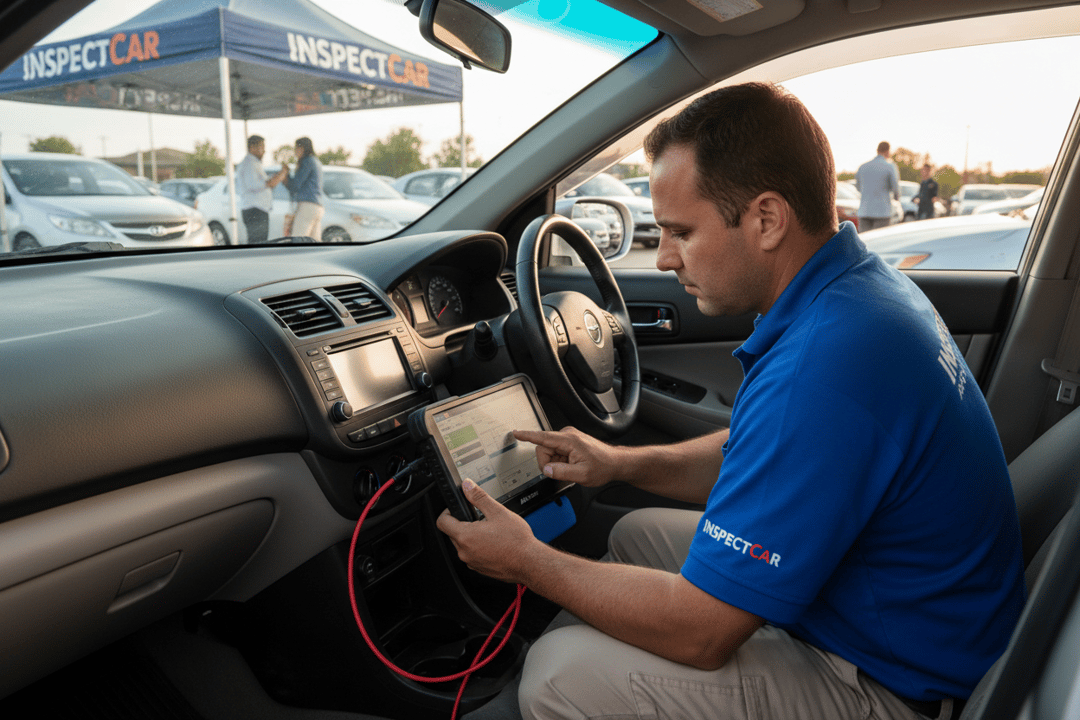
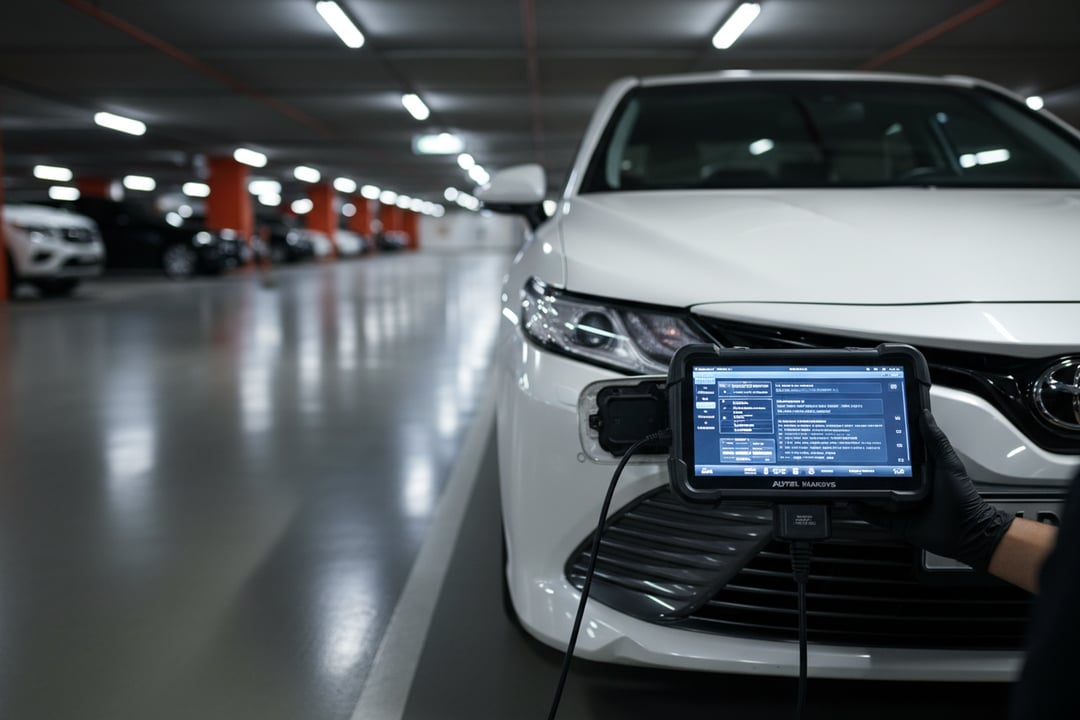
While the OBD (On-Board Diagnostics) scanner is an invaluable tool, it cannot detect physical leaks or mechanical wear in the fuel system. A scanner may flag an evaporative emission code, but it cannot tell the buyer if the fuel tank is structurally sound or if the fuel lines are rotting. To truly assess the condition of a luxury vehicle, a comprehensive visual and physical inspection is required.
For those seeking a detailed evaluation, professional inspection services offer structured packages that cover the engine and fuel system alongside the vehicle's body and computer systems. A Computer Diagnostic scan for AED 99 can identify error codes related to the fuel and evaporative systems, providing a starting point for the inspection. For a more thorough evaluation that covers engine sounds, mount conditions, and computer codes, the Body & Computer package at AED 250 offers a robust level of detail.
However, the most rigorous approach is the Comprehensive package at AED 299. This package often encompasses the 410+ checkpoints across 25 categories, ensuring that the fuel system is checked for leaks, the tank is inspected for integrity, and the computer systems are fully synchronized. The service is delivered on location, covering all seven Emirates, allowing the inspector to check the vehicle in its natural environment without the buyer needing to transport the car to a workshop.
Failure to identify these issues pre-purchase can result in unexpected downtime and safety hazards. A luxury vehicle represents a significant investment; ensuring the integrity of its fuel delivery system is essential for maintaining that investment’s value and safety.
AutoFay inspects 410+ checkpoints with HD photos and PDF report. Book at autofay.ae or call +971542584458


0 Comments
No comments yet. Be the first to share your thoughts!