

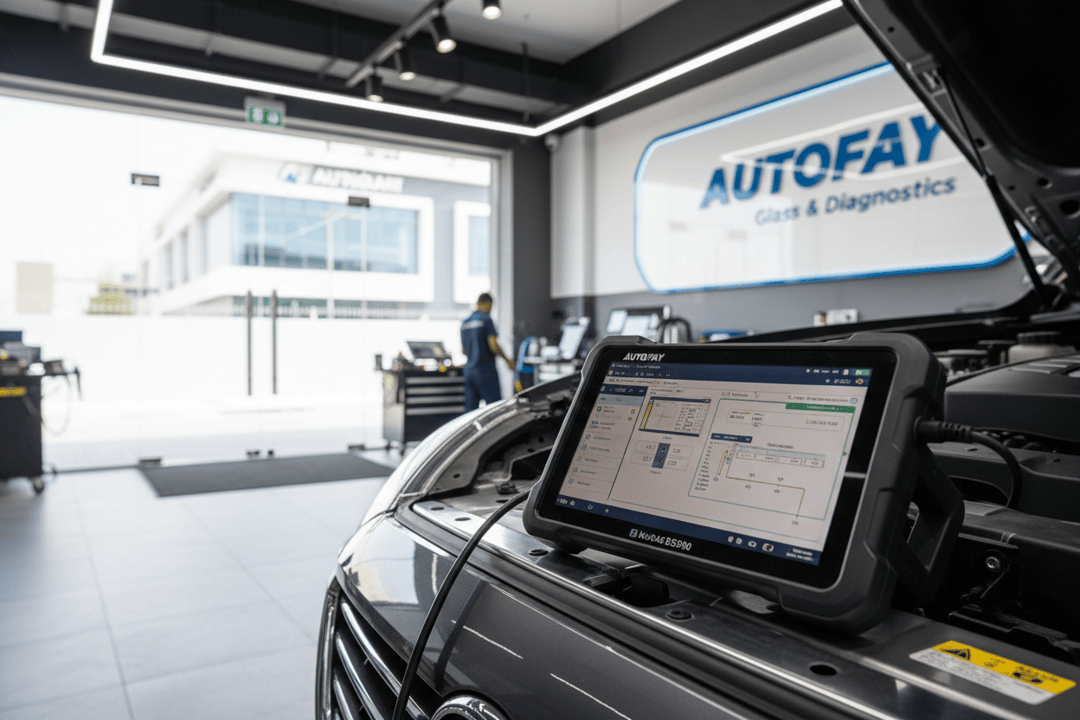
The SUV’s undercarriage serves as the skeletal foundation for the vehicle, bearing the immense weight of the engine, transmission, and suspension components. In the United Arab Emirates, where vehicles navigate from smooth city freeways to rugged desert tracks, the structural integrity of a used SUV is non-negotiable. A compromised chassis can lead to significant failure during high-speed maneuvers or heavy towing. Inspecting the frame requires a trained eye to identify subtle distortions that compromise safety. For potential buyers and sellers, understanding the condition of the rails and bumper supports provides a clear picture of the vehicle’s history and future reliability.
The Structural Anatomy of the SUV Chassis
Modern SUVs typically utilize either a ladder frame or a unibody construction, with the latter being more common for on-road models. The frame is not merely a flat sheet of metal; it is a collection of structural members designed to distribute forces. In a collision, the frame absorbs impact energy to protect the cabin. If the vehicle has been in a prior accident, the structural members may have been bent or cracked without the owner’s knowledge. These internal damages can silently reduce the vehicle's ability to protect passengers in a subsequent impact. Therefore, a frame inspection must go beyond visual inspection and look for the microscopic signs of stress and welding.
Inspection of Front Rails and Longitudinal Members
The front rails, or longitudinal members, run the length of the vehicle’s underside, connecting the front and rear subframes. These components bear the brunt of frontal impacts and support the engine. Inspectors must look for "Z-grooves," which are intake slots for air conditioning and cooling systems located on the top of the rails. These grooves are incredibly difficult to weld manually without leaving a visible line or distortion. If a weld repair is present in this area, the repair quality is often poor, indicating a low-quality restoration. Furthermore, rust around the mounting points for the suspension and engine mounts is a critical warning sign. Rust weakens the metal, potentially causing bolts to snap during routine maintenance, which can be a safety hazard.
- Check for Misalignment: Compare the distance between the front and rear subframes. A significant variance suggests the front rails have been pushed inward or pulled outward.
- Examine the Mounting Points: Look for 'weld balls' or rough, lumpy welding around the points where suspension arms connect to the frame. These repairs are often temporary fixes for structural damage.
- Look for Rust Holes: Sand and salt can penetrate the undercarriage. Holes in the front rails suggest the metal has been compromised by corrosion, making the chassis prone to collapse.
Deep Dive: Bumper Support and Crash Boxes
The bumper support, often referred to as the crash box, is a sacrificial component located between the bumper fascia and the front rail. Its primary function is to crush and absorb the energy of a low-speed collision, preventing damage to the more expensive structural frame. When an SUV hits a curb or a slow-moving vehicle, the bumper support is designed to deform. However, if this component has been replaced, the replacement part might not be the correct OEM specification. A substandard crash box will not absorb energy correctly, transferring that force directly to the vehicle's occupants during the next impact. Inspectors must verify that the bumper support is not only structurally sound but also properly aligned with the front bumper.
Rear Rail Integrity and Load Capacity
Rear rails are critical for vehicles that frequently carry heavy cargo or tow trailers. Unlike the front rails, which are designed to crush, the rear rails must remain rigid to support the load. Inspecting the rear rails involves checking the "overhang" area where the body panels drop down over the frame. Look for signs of welding on the top surface of the rails, which indicates the vehicle may have been subjected to heavy overloading or high-speed impacts from the rear. If the rear rails are twisted, the vehicle will handle poorly, with a tendency to sway during lane changes or experience abnormal tire wear. A straight rear rail ensures proper weight distribution and handling stability.
- Check for Rust in the Wheel Wells: Sand and water can splash into the wheel wells and settle near the rear frame rails. Severe rust here can compromise the structural integrity of the entire chassis.
- Inspect the Frame Crossmembers: The crossmembers are the bars that connect the front and rear rails. Look for cracks in the welds where these crossmembers meet the main rails due to constant vibration and stress.
- Test for Structural Separation: Use a magnet to run along the frame rails. While frame rails are steel, aftermarket repair patches are often made of different metals that may not be magnetic, revealing a patch job.
The Professional Standard: Why DIY Inspections Fail
Visual inspections by non-professionals often miss the subtle bending of metal that occurs during accidents. A vehicle may look straight on the outside, but the frame may be twisted by a few millimeters. This twist can cause alignment issues, steering vibration, and premature tire failure. Professional inspection services utilize specialized tools to measure the distance between chassis points and identify deviations from factory specifications. For those seeking a thorough evaluation, services like AutoFay offer specialized packages that include detailed body and computer checks alongside structural assessments.
| Inspection Category | Key Focus Areas | AutoFay Packages |
|---|---|---|
| Body & Paint | Panel-by-panel originality, hidden repaint areas, underbody corrosion | Body & Computer AED 250 |
| Frame & Structure | Rail alignment, bumper support integrity, crossmember welds | Comprehensive AED 299 |
| Undercarriage | Rust, oil leaks, exhaust system mounting, suspension attachment points | Computer Diagnostic AED 99 |
Professional inspectors possess the expertise to distinguish between cosmetic scratches and deep structural fractures. They know that a small dent in a bumper support could indicate a significant impact force that bent the front rail. This level of detail is essential for making an informed purchase decision. A professional inspection provides a documented history of the vehicle's condition, which is invaluable for insurance claims and future resale value.
Comprehensive Vehicle Assessment
A comprehensive inspection goes beyond the frame to ensure the vehicle is roadworthy in all respects. It integrates the chassis condition with the performance of the engine, brakes, and steering systems. For example, a bent frame can cause premature wear on tires and suspension components, leading to additional repair costs down the line. By combining frame checks with a full system scan, inspectors can identify the root cause of any mechanical issues. The "Comprehensive" package offered by AutoFay covers over two hundred and fifty distinct checkpoints across twenty-five technical categories, ensuring no stone is left unturned.
The inspection process includes a road test to evaluate how the frame condition affects the driving dynamics. If the steering wheel shakes at highway speeds, it is often a sign that the frame is twisted. If the vehicle pulls to one side, it may indicate that the frame rails are of unequal length. These symptoms are the direct result of structural damage and should not be ignored. A thorough professional inspection will highlight these issues with HD photos and a detailed PDF report, providing a complete picture of the vehicle's health.
Structural damage to an SUV is not just a cosmetic issue; it poses a severe safety risk to the driver and passengers. The consequences of a compromised frame range from increased braking distances to potential cabin collapse during a collision. While the cost of repairing a frame can be substantial, the cost of ignoring it can be life-threatening. Therefore, relying on a professional inspection is the only responsible way to assess a used vehicle.
AutoFay inspects 410+ checkpoints with HD photos and PDF report. Book at autofay.ae or call +971542584458




0 Comments
No comments yet. Be the first to share your thoughts!