

The arid climate and high-speed road networks of the United Arab Emirates place extreme demands on vehicle components. For used SUV buyers, the mechanical health of the vehicle often determines its long-term viability in this environment. While the bodywork and paint finish provide the first impression, the fluids circulating beneath the surface are the actual lifeblood of the machine. A comprehensive inspection of engine oil, coolant, and brake fluid reveals the true maintenance history and operational safety of the vehicle. This technical analysis outlines the specific parameters inspectors look for regarding these critical fluids in SUV body types.
The Critical Role of Fluids in UAE SUVs
SUVs in the region often carry heavier loads and tow trailers, placing additional strain on the cooling and lubrication systems. Engine oil reduces friction between moving metal parts, while coolant regulates temperature to prevent overheating in the summer heat. Brake fluid transfers the force from the brake pedal to the calipers, ensuring the vehicle stops reliably. When these fluids degrade, the consequences are immediate and severe. Neglecting these fluids can lead to catastrophic engine failure or total brake loss, making fluid inspection a non-negotiable step in the pre-purchase process.
Engine Oil: The Lifeline of Internal Combustion
The engine oil level and condition provide immediate insight into the mechanical integrity of the powertrain. A properly maintained SUV should have oil at the "Full" mark on the dipstick, particularly after the engine has been running to allow for accurate readings. However, the quantity is only one variable; the quality is equally important. In a on-location inspection setting, inspectors check the viscosity and cleanliness of the oil.
Detecting Contaminants and Sludge
Engine oil darkens over time due to combustion byproducts, but it should not turn into a thick, black sludge. Sludge indicates that the oil has not been changed at regular intervals or that the engine is burning oil excessively. Inspectors look for metallic shavings or grit in the oil, which suggests internal wear on piston rings or bearings. Another critical sign is the presence of a milky or frothy texture on the dipstick. This condition, often called "chocolate milkshake," indicates coolant has mixed with the oil, signaling a blown head gasket or a cracked engine block. The repairs required for a blown head gasket in an SUV are extensive and costly, often rendering the vehicle uneconomical to repair.
- Oil Level Check: Ensure the oil sits between the minimum and maximum markers.
- Oil Color: Dark brown or black is normal; metallic or milky indicates failure.
- Oil Smell: A burnt smell suggests the oil has been exposed to extreme heat for too long.
- Oil Viscosity: Thick, syrupy oil indicates old oil that no longer lubricates effectively.
Coolant System Integrity
The cooling system prevents the engine from overheating, a common failure point in UAE traffic. The inspection focuses on the coolant reservoir tank and the radiator cap. The coolant should be a clear, bright color—blue, green, or orange—depending on the manufacturer's specifications. A cloudy or rusty appearance suggests the coolant has broken down and is no longer providing anti-corrosion protection. Rust particles in the coolant can clog the radiator passages, leading to localized overheating and potential warping of the cylinder head.
Identifying Coolant Failure
Low coolant levels are a primary indicator of leaks, which could be occurring at the radiator, hoses, water pump, or the heater core. Inspectors look for signs of coolant residue around the radiator cap or on the engine block. They also check the ground beneath the parked vehicle for puddles of bright green or orange fluid. Furthermore, the condition of the radiator hoses is assessed; hardened, brittle, or swollen hoses are prone to bursting during operation. If the coolant system fails, the engine can reach temperatures that warp the cylinder head, necessitating a full engine rebuild.
Brake Fluid and Hydraulic Safety
Brake fluid is a hydraulic fluid that must remain stable under extreme pressure and temperature changes. It is hygroscopic, meaning it absorbs moisture from the atmosphere over time. Moisture lowers the fluid's boiling point, which is a dangerous characteristic for an SUV stopping under heavy load. If the brakes are applied hard enough to generate heat, the water in the fluid can turn to steam. Steam compresses, causing the brake pedal to sink to the floor and resulting in a complete loss of braking power.
The Hygroscopic Nature of Brake Fluid
Inspectors test the brake fluid's wet boiling point and color. Fresh brake fluid is typically clear or slightly yellow. As it ages and absorbs moisture, it turns darker and darker, eventually reaching a brown or black state. The fluid should be free of air bubbles, as trapped air compresses much more than fluid, leading to a spongy brake pedal feel. A low brake fluid level often points to worn brake pads or leaking calipers. Ignoring degraded brake fluid can result in brake fade during emergency maneuvers, significantly increasing stopping distances.
The Consequences of Neglected Fluids
Financial investment in a used SUV should be protected by understanding the potential costs of neglect. While a simple fluid top-up is inexpensive, the consequences of ignoring deterioration are severe.
- Engine Damage: Running oil that has lost its viscosity leads to increased friction and metal-on-metal contact, causing rapid wear and eventual engine seizure.
- Coolant Leaks: Small leaks are easy to fix, but left unchecked, they lead to engine overheating, which can permanently warp the engine block.
- Brake Failure: Brake fluid that has absorbed too much moisture boils under braking conditions, leading to a complete loss of hydraulic pressure and potential accidents.
- Transmission Strain: While not the focus here, low transmission fluid causes the transmission to overheat and fail prematurely.
Professional Inspection Standards
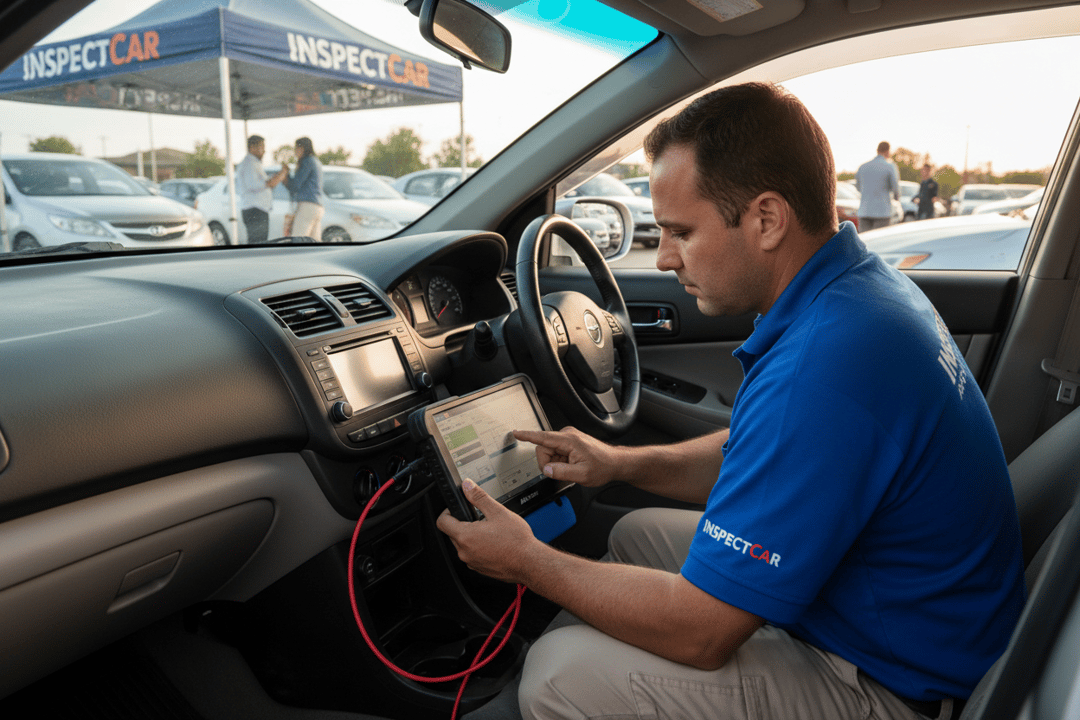
Fluid inspection is just one component of a broader vehicle health check. Relying on a visual inspection by the seller is insufficient for buyers seeking technical accuracy. Professional inspection services utilize computer diagnostics alongside physical checks to uncover hidden issues.
The AutoFay Methodology
A professional inspection involves a systematic approach to verify the condition of every fluid. Inspectors look beyond the dipstick to check for leaks, inspect the color for contamination, and verify the expiration dates on reservoir caps. This rigorous process is part of a larger network of checks. AutoFay inspects 410+ checkpoints across 25 categories, including the body, frame, engine sound, mounts, smoke color, OBD scan, brakes, suspension, tires, and fluids.
Available Packages
Buyers can choose from specialized packages to match their budget and needs. The Computer Diagnostic AED 99 package scans the vehicle's computer system for engine, transmission, ABS, and airbag codes, helping to identify electronic issues that might affect fluid systems. For a more detailed review of the vehicle's physical condition, the Body & Computer AED 250 package offers a comprehensive look at the exterior and interior, along with the electronic systems. The most extensive option is the Comprehensive AED 299 package, which covers the body, frame, computer, and road test, providing a holistic view of the SUV's health before the purchase is finalized. These services are available as a on-location inspection across all seven Emirates.
| Fluid | Primary Function | Inspection Danger Indicators |
|---|---|---|
| Engine Oil | Lubrication and heat transfer | Milky texture (head gasket), metallic shavings (wear), dark sludge (old oil) |
| Coolant | Regulates engine temperature | Rust particles, low levels, cloudy appearance (breakdown) |
| Brake Fluid | Transmits brake pedal force | Spongy pedal (air), dark brown/black (moisture), low levels (leaks) |
Fluid inspection is a vital diagnostic tool for evaluating the longevity and safety of a used SUV. By understanding the specific signs of degradation in oil, coolant, and brake fluid, buyers can identify potential mechanical liabilities before they become irreversible failures. Professional evaluation ensures that these critical systems are accurately assessed. AutoFay inspects 410+ checkpoints with HD photos and PDF report. Book at autofay.ae or call +971542584458.



0 Comments
No comments yet. Be the first to share your thoughts!