

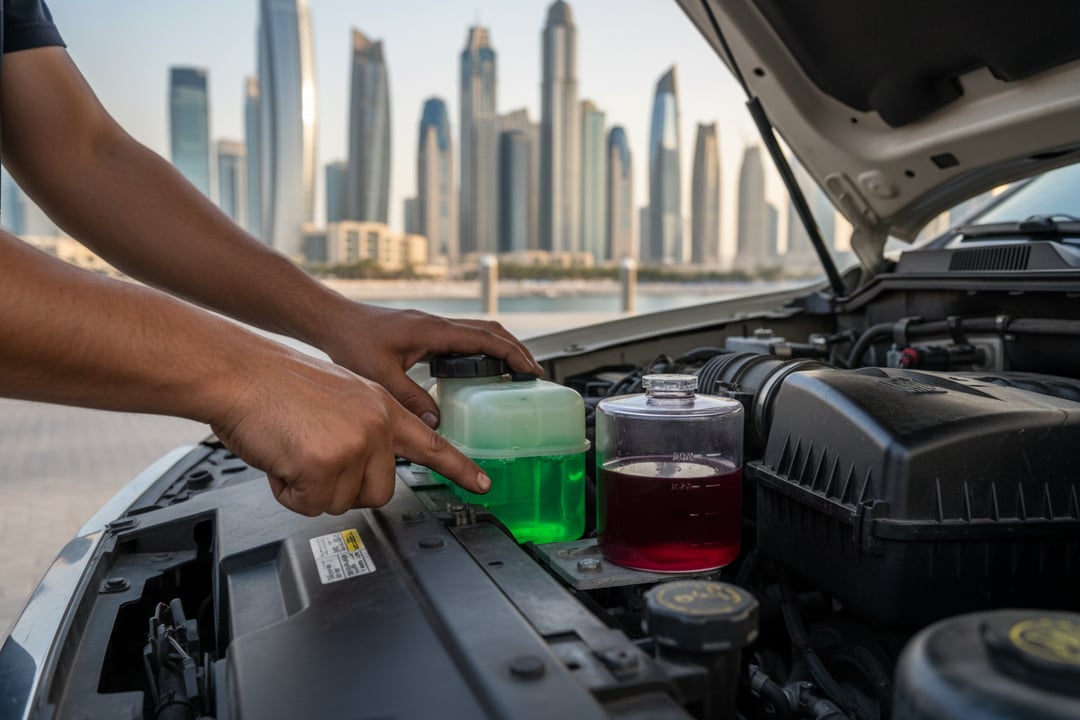
Used Pickup trucks in the United Arab Emirates operate under extreme conditions, often carrying heavy loads across long distances on unforgiving roads. Unlike standard passenger sedans, these vehicles are subjected to higher mechanical stress, making fluid integrity the single most critical factor in their longevity. A vehicle may appear mechanically sound visually, but without a rigorous fluid inspection, hidden degradation can lead to catastrophic engine failure or brake loss. Identifying the state of the hydraulic and lubrication systems requires a trained eye and precise measurements, distinguishing between a truck ready for the daily grind and one destined for the scrap yard.
The Engine Oil Level and Viscosity Check
The engine oil functions as the blood of the vehicle, carrying away heat, lubricating moving parts, and sealing piston rings against combustion pressure. For a Pickup truck, the oil must maintain its viscosity under high temperatures generated by towing or carrying heavy cargo. During an inspection, the inspector first checks the dipstick to ensure the oil level sits within the designated marks; low oil levels can lead to immediate oil starvation and bearing failure.
The condition of the oil on the dipstick reveals the health of the engine internals. Fresh engine oil typically has a translucent golden or amber hue. As oil oxidizes, it darkens and becomes thicker, eventually developing a burnt smell or a gritty texture. Black, sludgy oil indicates prolonged intervals between changes or the presence of contaminants. If the oil is milky, it suggests coolant contamination, which points to a blown head gasket or a cracked cylinder head, a common issue in vehicles subjected to overheating cycles.
- Smoke Color: White smoke from the exhaust usually indicates burning coolant, while blue smoke points to burning oil, suggesting worn piston rings or valve seals.
- Consistency: Old oil often feels gritty between the fingers; new oil should feel smooth and slippery.
- Sludge: The presence of thick, tar-like deposits on the dipstick or under the oil cap suggests the engine has been neglected, potentially leading to restricted oil passages and eventual seizure.
Coolant System Integrity and Heat Management
The UAE climate subjects vehicle cooling systems to thermal stress that can degrade components rapidly. Coolant not only prevents the engine from overheating but also contains additives to prevent corrosion and freezing (though freezing is less of a concern in the Emirates). A fluid inspection must verify the coolant’s color, clarity, and smell. Fresh coolant is usually bright green, pink, or blue. If the coolant has turned brown, rusty, or murky, it indicates the presence of rust or internal engine corrosion.
Inspectors check the radiator cap and the overflow reservoir for signs of bubbles or oil mixing with the coolant. Bubbles in the coolant suggest a blown head gasket, allowing exhaust gases to escape into the cooling system. Furthermore, the concentration of the coolant must be tested to ensure it provides adequate protection against boiling in the region's high ambient temperatures. A compromised cooling system will lead to rapid overheating, which can warp cylinder heads and ruin the engine block within minutes of driving.
- Contamination: A milky, chocolate-colored substance in the coolant reservoir signifies a coolant leak into the internal combustion chamber.
- Radiant Leaks: The inspection area around the radiator and heater hoses should be free of green or orange residue, which indicates a slow leak that has been seeping out.
- Boiling Point: Low coolant levels or degraded coolant mixture reduce the boiling point of the fluid, increasing the risk of vapor lock and engine overheating during climbs or heavy loads.
Brake Fluid Hydraulic Inspection
Brake fluid is hygroscopic, meaning it naturally absorbs moisture from the atmosphere over time. In a Pickup truck, stopping power is compromised by the vehicle's weight, making high-quality brake fluid essential. When moisture enters the brake fluid, it lowers the fluid's boiling point. Under heavy braking, a hot brake fluid can boil into steam, causing a spongy brake pedal and a complete loss of braking power.
An experienced inspector checks the reservoir for the fluid's color and texture. New brake fluid is typically clear or light amber. As it absorbs moisture and degrades, it turns dark brown or black. The fluid may also feel oily or gritty to the touch. If the fluid is dark, it is a clear sign that the system requires a complete flush. Neglecting old brake fluid can lead to internal corrosion within the brake lines and calipers, leading to expensive repairs and, in the worst-case scenario, brake failure.
- Moisture Content: Old brake fluid often absorbs significant amounts of water, which can cause the brake lines to rust from the inside out.
- Pedal Feel: A soft or mushy brake pedal often correlates with degraded brake fluid that has absorbed water, reducing hydraulic pressure.
- Viscosity: Over time, brake fluid can break down and become too thin to effectively transfer pressure from the brake pedal to the calipers.
The Limitations of Visual Inspection vs. Professional Analysis
While visual checks provide a snapshot of fluid condition, they often miss microscopic levels of contamination that can cause long-term damage. A fluid may appear clear on the surface but contain suspended particles that are only visible under microscopic analysis. Furthermore, checking fluid levels on a 50-degree day without thermal cameras can yield inaccurate readings regarding the fluid's true viscosity and boiling point.
Professional inspection services employ advanced tools to assess fluid health beyond the naked eye. For instance, a computer diagnostic scan can read the Oil Life Monitoring System to estimate the precise remaining service interval. This data complements the physical inspection of the oil's condition. Similarly, scanning for ABS and airbag codes can reveal if a vehicle has experienced a transmission slip or a hard brake event that might have contaminated the fluids in the transmission or brake systems.
| Inspection Package | Key Inclusions | Diagnostic Capability |
|---|---|---|
| Computer Diagnostic | Engine oil status verification via sensor data. | Reads oil life percentage and transmission codes. |
| Body & Computer | Visual fluid checks alongside paint and panel inspection. | Checks engine, transmission, ABS, and airbag systems. |
| Comprehensive | Full fluid analysis, brake pad rating, and road test. | Examines all vehicle systems and mechanical performance. |
The Value of a Third-Party Inspection Report
Purchasing a used Pickup truck is a significant financial decision, and the cost of a thorough inspection is negligible compared to the potential cost of unexpected repairs. A professional inspection covers over 410+ checkpoints across 25 distinct categories, ensuring that every critical system is documented. This includes a detailed road test to evaluate how the fluids perform under acceleration, braking, and load-bearing conditions.
Relying solely on the seller’s word regarding fluid changes is risky, as sellers may not disclose the full history of maintenance. A professional report provides an objective assessment of the vehicle's mechanical health, highlighting the condition of the engine oil, coolant, and brake fluid. This documentation serves as a baseline for future maintenance planning and provides leverage if the vehicle has undisclosed defects. The service is delivered on location, meaning the inspection can be conducted at the seller's location in any of the seven Emirates, ensuring convenience and immediate results.
AutoFay inspects 410+ checkpoints with HD photos and PDF report. Book at autofay.ae or call +971542584458





0 Comments
No comments yet. Be the first to share your thoughts!