
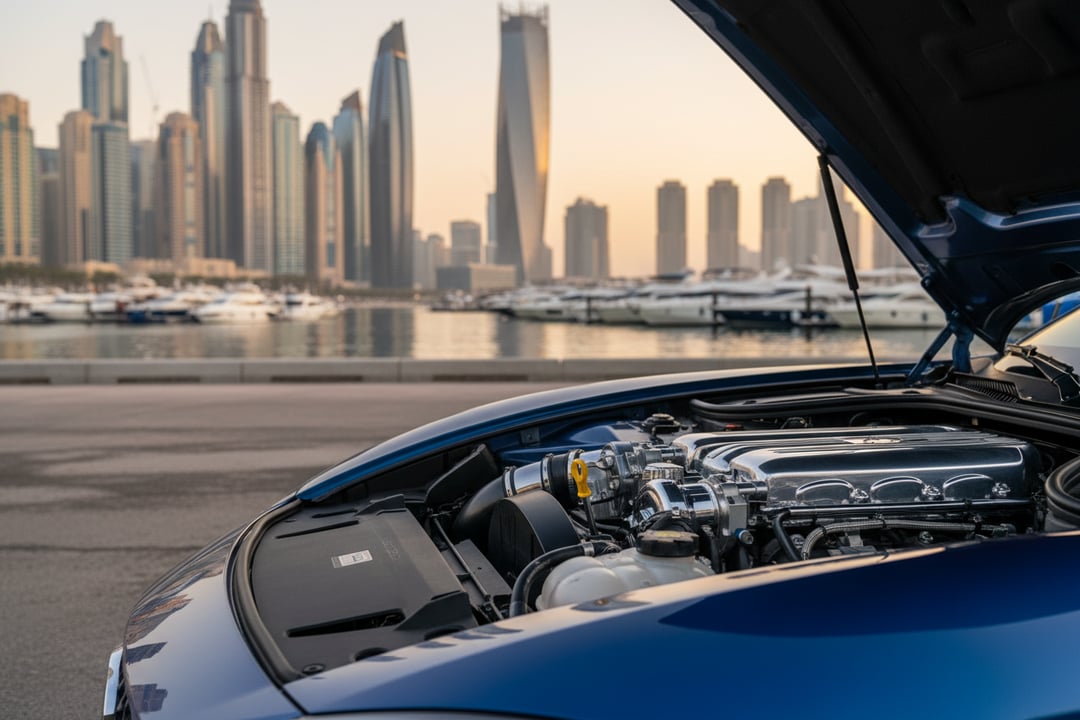
Purchasing a used luxury vehicle in the United Arab Emirates requires a forensic-level approach to vehicle inspection. The engineering standards in high-end automobiles differ significantly from mass-market vehicles, particularly regarding their maintenance requirements. Fluids serve as the lifeblood of these complex machines, managing heat, friction, and hydraulic pressure. A visual inspection of these liquids often reveals the mechanical history of the car better than the odometer reading. For buyers navigating the pre-owned market, understanding the specific indicators of fluid health is non-negotiable.
The Complexity of Luxury Fluid Dynamics
Luxury vehicles are engineered with tighter tolerances and higher-compression engines designed for performance and longevity. These systems rely on precise lubrication and thermal management to function correctly. When fluids degrade, the consequences are magnified due to these sensitive internal components. Engine oil, coolant, and brake fluid serve distinct but critical functions, and their failure to perform leads to rapid wear.
Engine Oil Level and Condition
Engine oil is the primary defender against wear and tear within the combustion chamber. In luxury models, the oil pump circulates oil at higher pressures to lubricate variable valve timing systems and turbochargers. During an inspection, the technician must verify the level is between the minimum and maximum markers on the dipstick. A level below the critical mark indicates previous neglect or a current leak.
The condition of the oil provides immediate insight into engine health. Fresh oil will appear amber or light brown and have a slight petroleum smell. Contaminated oil indicates the engine has been operating under stress. Metal shavings present in the oil suggest internal bearing wear or piston ring damage. A milky residue indicates coolant contamination, which often points to a blown head gasket. Ignoring these signs leads to catastrophic engine failure, rendering the vehicle undriveable.
- Metal Particulates: Visible flecks indicate internal engine wear, requiring immediate engine teardown.
- Chocolate Milk: Oil mixed with coolant signifies a breach in the gasket or cylinder head.
- Burning Scent: Indicates oil is leaking onto hot exhaust components, causing rapid degradation.
- Silicone/Oily Foam: Suggests air intake leaks or combustion gases leaking into the crankcase.
Coolant: Managing Extreme Heat
The UAE climate subjects vehicles to severe thermal stress. Coolant systems in luxury cars are designed to maintain optimal operating temperatures even during heavy stop-and-go traffic in high ambient conditions. The inspection of coolant must focus on its color, clarity, and the condition of the radiator cap.
Standard coolant is typically green, pink, or orange depending on the chemical formulation. A clear, vibrant fluid indicates a healthy system. Cloudy or rusty coolant suggests corrosion within the radiator or engine block. Foam at the top of the reservoir tank indicates the coolant is breaking down or that combustion gases are leaking into the cooling system. This phenomenon, often called "hydrolock" preparation, implies a severe internal breach that will lead to overheating.
Brake Fluid: The Safety Critical Fluid
Brake fluid is hygroscopic, meaning it absorbs moisture from the atmosphere over time. Luxury vehicles often feature Anti-lock Braking Systems (ABS) and Electronic Stability Programs (ESP) that utilize high-pressure hydraulics. If brake fluid absorbs enough moisture, its boiling point drops significantly.
During an inspection, the fluid should be tested for its moisture content. Fluid that appears black or dark brown is considered "wet" and unsafe for continued use. Moisture lowers the fluid's boiling point, causing it to vaporize when brakes are applied hard. Vapor bubbles compress instead of transferring hydraulic pressure to the calipers, resulting in brake fade. In an emergency stop scenario, this loss of pressure can extend stopping distances and compromise vehicle control.
The AutoFay Inspection Methodology
Reliable inspection services provide a comprehensive overview of a vehicle's state without bias. At autofay.ae, the inspection process is structured to identify these fluid anomalies as part of a broader 410+ checkpointlist. This approach ensures that minor leaks do not mask major structural or mechanical failures.
The inspection team checks the engine bay for fresh puddles, slime, or sticky residue that indicates leaks. The dipstick is inspected for the specific characteristics mentioned previously. Coolant is checked for coloration and bubbles. Brake fluid is assessed for texture and color. These checks are integrated into the "Engine" and "Suspension" categories of the overall assessment.
| Fluid | Signs of Failure | Potential Consequence |
|---|---|---|
| Engine Oil | Dark sludge, metal shavings, low level | Engine seizure, bearing failure, turbo damage |
| Coolant | Cloudy, rusty, foamy, low level | Overheating, warped cylinder head, engine damage |
| Brake Fluid | Dark brown/black, oily texture | Brake fade, spongy pedal, loss of stopping power |
Investment in Vehicle Health
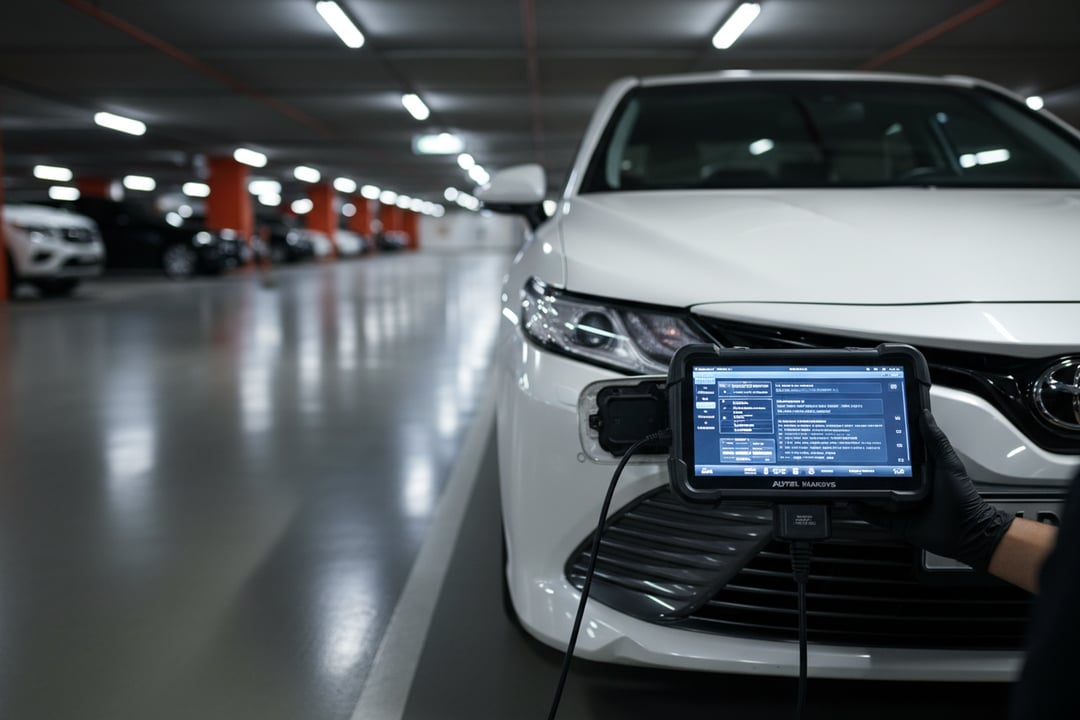
While visual inspection is crucial, a full diagnostic scan adds a layer of accuracy by cross-referencing fluid warnings with the vehicle's computer. The Computer Diagnostic package is available for AED 99, providing engine, transmission, ABS, and airbag code readings. This helps distinguish between a leaking sensor and a mechanical failure.
For a thorough examination of the body, computer, and fluids, the Body & Computer package costs AED 250. This service includes a panel-by-panel paint inspection to detect repairs and ensures the vehicle's electronics are communicating correctly. For the most rigorous assessment, the Comprehensive package at AED 299 covers all 25 categories.
The Comprehensive package is the most detailed option, including a 410+ checkpointlist that rigorously evaluates the frame, suspension, tires, engine sound, and fluid levels. It includes a road test to verify acceleration, braking, and noise levels. This service ensures that the vehicle meets the high standards expected in the UAE market.
Professionals recommend a pre-purchase inspection before finalizing any transaction to avoid inheriting expensive mechanical issues. The consequences of buying a vehicle with compromised fluids are immediate and financially burdensome. Addressing fluid issues proactively prevents long-term damage to the vehicle's sophisticated systems.
AutoFay inspects 410+ checkpoints with HD photos and PDF report. Book at autofay.ae or call +971542584458.



0 Comments
No comments yet. Be the first to share your thoughts!