

The Toyota brand commands a dominant position in the UAE commercial and private vehicle sectors. The Hilux and Land Cruiser, in particular, are ubiquitous workhorses that endure rigorous daily operations across all seven Emirates. However, the reputation for reliability often leads buyers to overlook critical maintenance indicators. High usage rates combined with the region's extreme heat accelerate the degradation of specific components. A mechanical failure in a fleet vehicle results in significant downtime and operational loss. Consequently, a professional inspection is not a luxury but a necessity for asset protection.
The Toyota Reliability Myth vs. Reality
Toyota vehicles are engineered for longevity, yet they are not immune to the laws of physics. The "reliability myth" often causes fleet managers to skip detailed pre-purchase checks. This oversight can lead to the acquisition of a vehicle with hidden structural damage or compromised safety systems. In the UAE, where vehicles are subjected to intense UV radiation and sand abrasion, paintwork and underbody integrity are primary concerns. A vehicle that looks pristine on the surface may have suffered hidden damage from a minor curb impact. Ignoring these signs invites expensive repairs and safety hazards down the line.
Professional inspection companies utilize standardized methodologies to separate cosmetic imperfections from genuine mechanical faults. Understanding the specific vulnerabilities of different Toyota models is the first step in a successful fleet evaluation.
Model-Specific Wear Patterns
Different Toyota models in the UAE fleet market exhibit distinct failure points based on their engine configuration and chassis design. The diesel-powered double-cab pickups, such as the Toyota Hilux and Fortuner, rely heavily on the 2KD-FTD engine. This engine is robust but notorious for oil consumption as the mileage increases. A fleet manager must inspect the engine bay for excessive oil leaks and check the dipstick regularly. Another critical area is the injection pump timing, which can fail if maintenance has been neglected, leading to hard starting and reduced power.
Conversely, the petrol-powered V6 models, such as the Land Cruiser Prado and Toyota Avalon, utilize the 1GR-FE or 2GR-FE engines. These powerplants are generally more refined but are susceptible to head gasket failure, particularly if the engine has overheated in the past. The cooling system must be scrutinized for any signs of previous overheating, such as coolant discoloration or rust within the radiator. Ignoring a failing head gasket will result in catastrophic engine failure requiring a complete rebuild.
Common Mechanical Failures
Several mechanical components are disproportionately represented in Toyota repair logs within the UAE. The timing chain tensioners on higher mileage engines are a primary culprit for expensive repairs. If these components fail, the timing chain can skip or snap, causing valves to collide with pistons. The cost of this type of damage renders the vehicle uneconomical to repair. Furthermore, the suspension systems in fleet vehicles often suffer from bushing degradation due to constant vibration and heat. Rubber bushings crack and harden, leading to a loose steering feel and increased road noise.
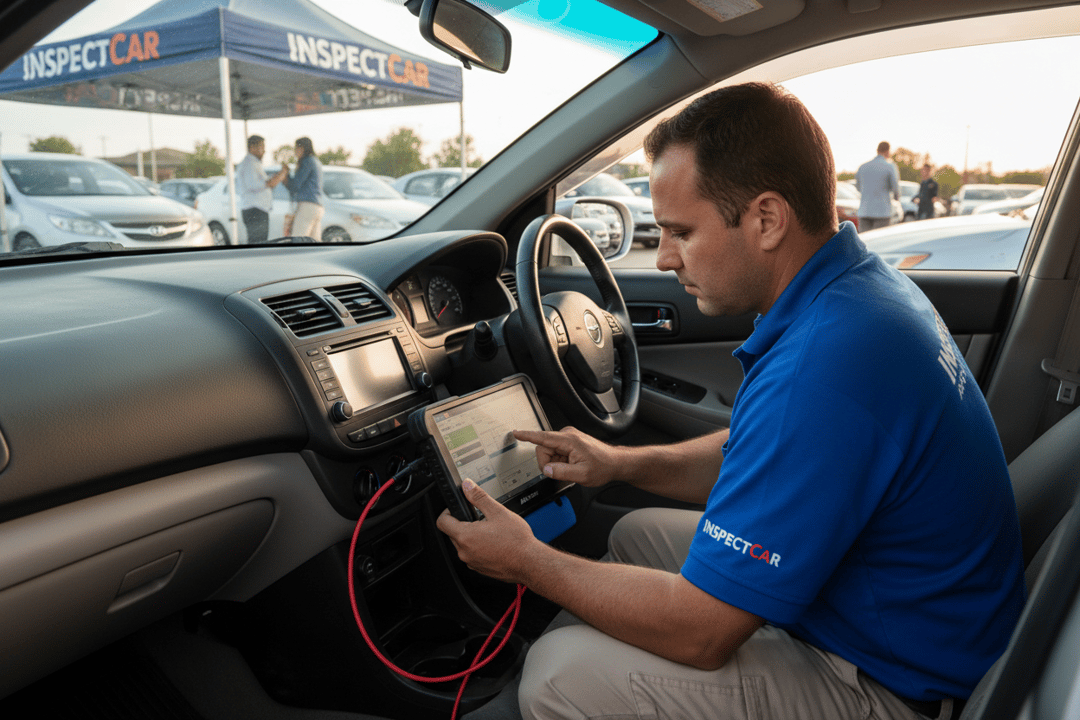
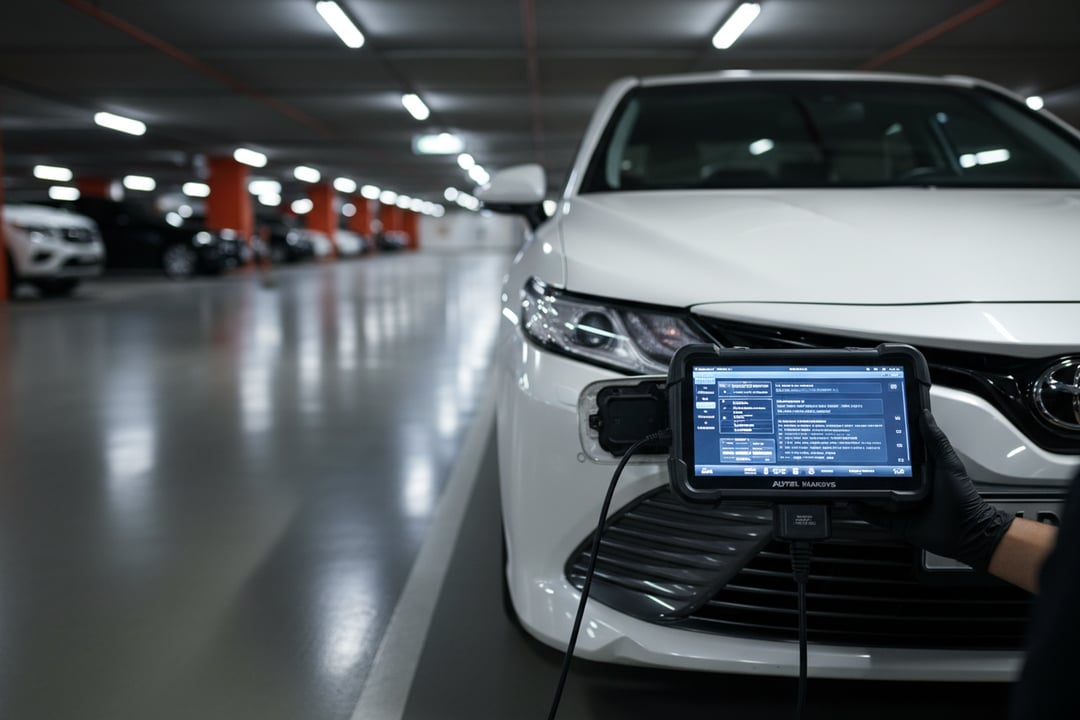
Electrical systems also face significant stress in the UAE climate. High temperatures can cause battery failure and accelerate the degradation of wiring insulation. The Body Control Module (BCM) is a critical computer that manages lighting, locks, and security. Faults in the BCM can manifest as random warning lights or non-functional electronics. Addressing these issues early requires a comprehensive OBD scan to retrieve error codes that are not visible to the naked eye.
Prioritizing the Inspection Checkpoints
A thorough inspection must cover a wide spectrum of vehicle health indicators. The inspection process typically involves over 410+ checkpoints spread across 25 distinct categories. Among the most critical categories are the frame and chassis. This involves a visual and physical check of the front and rear rails, floor pans, and A/B pillars. Any sign of welding, corrosion, or misalignment indicates a previous major collision. Structural damage compromises the vehicle's safety rating and resale value.
The body and paint assessment requires a panel-by-panel analysis to determine if repairs are original or have been crudely refinished. Low-quality paint jobs often mask underlying rust or accident damage. The suspension system must be evaluated for leaks in shock absorbers and the condition of leaf springs or coil mounts. The braking system requires a detailed percentage rating of brake pad wear to ensure stopping distance is within safety standards. Worn brake components increase the risk of failure during emergency stops.
Fluids provide a window into the internal health of the engine and transmission. Engine oil that is dark and gritty indicates excessive sludge, suggesting neglect. Transmission fluid should be examined for a burnt smell, which signals internal clutch wear. Tires need to be checked for manufacturing date to ensure they are not dry-rotted, as old tires are a major safety hazard. A road test is essential to evaluate acceleration, braking, and noise levels to detect any drivetrain anomalies.
| Inspection Category | Priority Focus |
|---|---|
| Engine & Drivetrain | Check for oil leaks, smoke, and unusual noises. Verify timing chain condition on high mileage models. |
| Body & Paint | Inspect panel gaps for misalignment. Check for spray-over on bolts and wiring harnesses. |
| Chassis & Frame | Look for rust on the sills and chassis rails. Check for accident repair history on pillars. |
| Brakes & Suspension | Assess brake pad thickness. Inspect shock absorbers for fluid leaks and bushing condition. |
Selecting the Appropriate Inspection Package
Not all inspections require the same depth of analysis. Selecting the right package ensures that the fleet manager pays for the services that matter most without unnecessary expense. The Computer Diagnostic AED 99 package is ideal for a quick initial check. This service targets the engine, transmission, ABS, and airbag systems using specialized diagnostic tools to identify stored fault codes.
For vehicles with a history of accident repair or known mechanical issues, the Body & Computer AED 250 package offers a deeper dive. This includes the diagnostic scan plus a detailed examination of the bodywork, paint, and chassis. This package is best suited for pre-owned cars that may have been involved in a minor collision.
The Comprehensive AED 299 package represents the highest level of scrutiny. This service covers all 25 categories with a thorough examination of the frame, frame rails, and floor pan. It includes a detailed road test, fluid condition checks, and manufacturing date verification for tires. This is the standard for high-value fleet assets or vehicles with unknown histories.
The Value of a professional inspection
Acquiring a used Toyota vehicle without a professional inspection is a gamble with significant financial consequences. The cost of a missed fault, such as a blown head gasket or a cracked frame, far exceeds the price of a pre-purchase inspection. A professional inspection provides a documented history of the vehicle's condition. This documentation protects the buyer from liability and ensures fair valuation. The presence of an HD photo report and a detailed PDF report serves as an objective record of the vehicle's state at the moment of inspection. This transparency is vital for fleet budgeting and decision-making processes.
AutoFay inspects 410+ checkpoints with HD photos and PDF report. Book at autofay.ae or call +971542584458


0 Comments
No comments yet. Be the first to share your thoughts!